
Electric Weighted Piano article
The Complete Guide to Electric Weighted Piano
Electric weighted pianos deliver authentic piano touch through mechanical hammer action combined with modern digital sound engines, offering classically trained performers and producers unmatched versatility and playability.
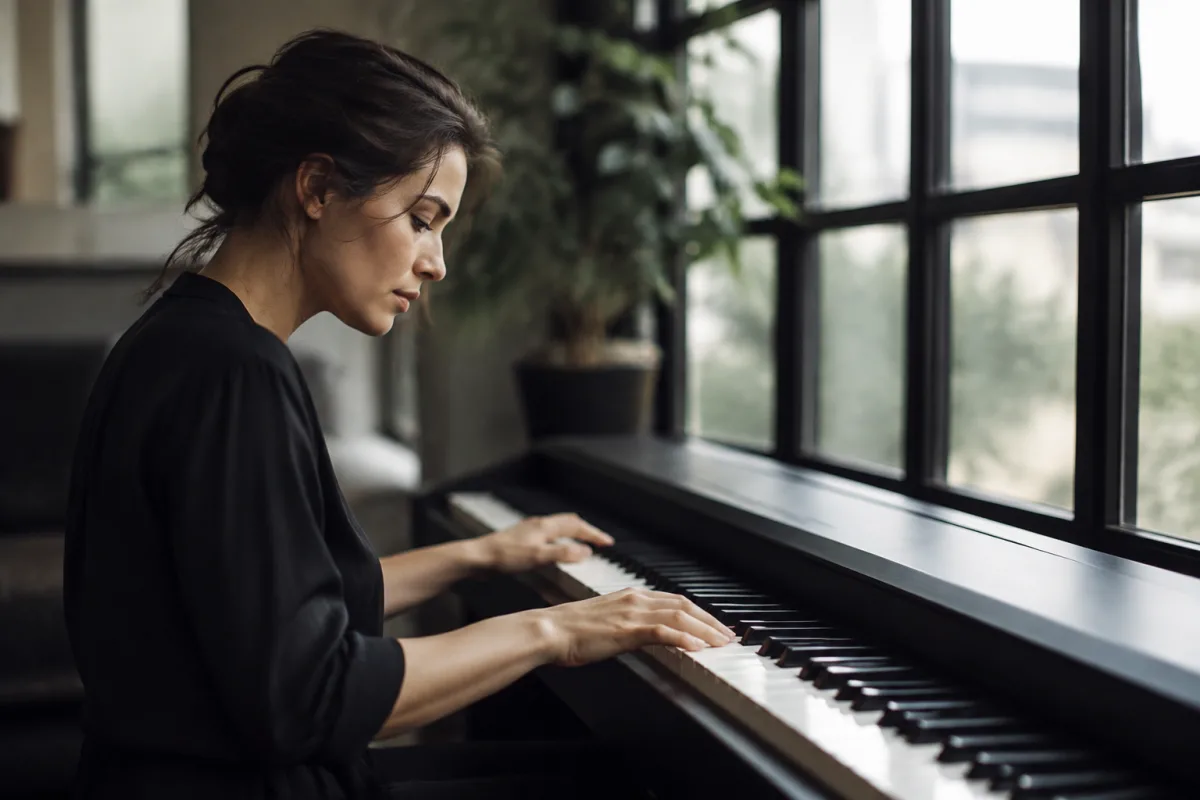
An electric weighted piano combines authentic piano touch with modern digital convenience, offering classical pianists and contemporary musicians a versatile instrument bridging acoustic and electronic worlds. The weighted keys simulate the mechanical resistance of an acoustic grand piano, enabling proper technique development and expressive performance whilst digital sound engines deliver authentic tones alongside contemporary sounds. Whether you're a classically trained pianist seeking reliable practice and performance capabilities, a composer exploring sonic possibilities, or someone seeking authentic piano touch in a space-efficient package, an electric weighted piano delivers the combination of playability and modern features essential for today's musicians. This comprehensive guide explores weighted piano technology, key specifications, and selection strategies.
Understanding Weighted Key Technology
An electric weighted piano uses mechanical hammering systems to simulate the resistance and mechanical feel of an acoustic piano. When you press a key, a small hammer inside the mechanism provides resistance that builds as you press deeper—exactly as occurs with an acoustic piano's action. This physical resistance is crucial: pianists unconsciously develop technique responding to this tactile feedback. Playing on unweighted keyboard keys (which require minimal pressure) creates poor habits—excessive finger tension, inconsistent dynamics, improper wrist positioning—that become difficult to unlearn when transitioning to acoustic pianos.
Hammer action technology varies across electric weighted pianos. Basic weighted action provides consistent resistance throughout key travel. Escapement action—found on higher-end models—simulates the acoustic piano's hammer escapement, where the hammer briefly releases contact with the key as it strikes the sound. This subtle mechanical detail is imperceptible to casual players but profoundly affects the expressive capabilities of professional performers, enabling authentic repetition (striking the same key repeatedly without returning to rest position) and dynamic control.
Sound Engine Quality in Electric Weighted Pianos
The sound engine determines sonic character—arguably the most critical aspect of an electric weighted piano after touch. Premium models feature sampled recordings of legendary acoustic pianos, captured at various dynamics across the entire keyboard. This multi-layered sampling approach delivers remarkable fidelity; played at low volumes, the instrument whispers with intimate clarity; at fortissimo levels, it roars with the power and presence of a concert grand. Budget models typically use single-sample synthesis, producing artificial, tinny tones that limit musical expression.
Modern electric weighted pianos increasingly employ hybrid sound engines combining sampled acoustic tones with digital synthesis for extended sonic palette. Layering multiple sounds—soft strings combined with piano, a touch of electric piano blended with strings—creates sophisticated tones impossible on acoustic instruments. Effects processing (reverb, compression, EQ) further expands tonal possibilities, allowing musicians to craft unique sonic signatures.
Key Specifications and Performance Metrics
| Specification | What It Means | Why It Matters |
|---|---|---|
| Weighted action type | Basic weighted, graded weighted, hammer action, escapement | Affects playing feel and expressiveness; escapement crucial for advanced technique |
| Number of voices | Different sound types available (piano, electric piano, strings, etc.) | Wider variety enables diverse musical expression; typically 30–100+ voices |
| Polyphony | Simultaneous sounds that can play (voices per note) | 128+ polyphony ensures dense chords don't drop notes; essential for complex music |
| Keyboard size | Number of keys: 76, 88, or other configurations | 88 keys matches acoustic piano; required for advanced repertoire |
| Connectivity | MIDI In/Out, USB, audio inputs/outputs | Enables integration with DAWs, external synthesizers, and recording systems |
| Speakers | Onboard sound output quality | Quality speakers enhance listening experience; many professionals add external monitors |
Types of Electric Weighted Pianos
- Stage pianos: Portable electric weighted pianos prioritising authentic piano tone and professional build, ideal for live performance and gigging.
- Digital pianos: All-in-one instruments combining weighted keyboard with amplification, reverb, and onboard recording; suited for home use and practice.
- Synthesizers with weighted keyboards: Prioritise sound creation and synthesis alongside authentic piano feel, appealing to composers and producers.
- Compact weighted keyboards: Smaller footprint models (76 keys) sacrificing one octave for space efficiency in confined studios or travel situations.
Authentic Piano Touch and Graded Weighting
Graded weighting—where lower keys are progressively heavier than higher keys, matching acoustic piano ergonomics—is essential for authentic playing experience. Low B keys require significantly more force than high C keys, reflecting the increased string mass in acoustic pianos. Budget electric weighted pianos use uniform resistance across all keys; this inaccuracy trains improper technique that's difficult to correct on real pianos.
Escapement, hammer action provides near-perfect acoustic piano simulation. As you strike a key, the simulated hammer briefly separates before the sound ends—enabling rapid key repetition (re-striking a key before returning it to rest position) essential for trills, rapid passages, and authentic piano technique. Professional pianists consider escapement mandatory; casual players may not notice the difference.
Portability and Installation Considerations
An electric weighted piano offers practical advantages over acoustic counterparts. A large acoustic grand piano requires professional installation, climate control, and regular maintenance. An electric weighted piano connects to a standard power outlet, functions reliably in any environment, and demands minimal upkeep. This portability suits touring musicians, recording studios with space constraints, and anyone prioritising flexibility over acoustic authenticity.
Setup is straightforward: position the electric weighted piano on a sturdy stand (often included), connect power, and add headphones or external speakers. Unlike acoustic pianos requiring professional tuning and regulation every 1–2 years, electric weighted pianos maintain perfect voicing indefinitely. This stability is particularly valuable for recording—the piano maintains identical tone and tuning across multiple recording sessions.
Recording and Production Integration
Professional recording studios maintain electric weighted pianos specifically because they integrate seamlessly with digital audio workstations. MIDI connectivity enables triggering software piano samples with superior flexibility to capturing acoustic piano audio. The ability to layer multiple digital piano tones, apply unlimited reverb and effects, and edit performances after recording provides creative flexibility impossible with acoustic pianos. Many film composers prefer digital pianos for this production versatility.
USB audio output enables direct recording into any DAW with professional quality. Some models include onboard audio recording—capturing performances without external devices—invaluable for capturing spontaneous creative moments.
Comparing Electric Weighted Pianos to Alternatives
Acoustic grand pianos deliver unmatched authentic touch and natural sound but require significant space, investment (£8,000–£50,000+), climate control, and regular professional maintenance. Stage pianos prioritise performance portability and authentic piano tone over electronic sound variety. Synthesizers with weighted keyboards emphasise sound creation capabilities alongside piano authenticity. Your choice depends on primary use: concert performance demands authentic touch and acoustic realism; studio production benefits from electronic flexibility; home practice suits balanced feature sets at reasonable cost.
Maintenance and Care
An electric weighted piano requires minimal maintenance. Keep the keyboard clean by wiping periodically with a soft, slightly damp cloth (never dripping water directly on keys). Store in a stable temperature environment—excessive heat damages electronics, whilst cold can affect action responsiveness. Check cable connections periodically to ensure audio and MIDI remain properly seated. Unlike acoustic pianos, no tuning, voicing, or regulation is ever necessary.
Conclusion
An electric weighted piano represents an excellent investment for pianists seeking authentic touch combined with modern convenience and versatility. Whether you're a classical pianist seeking reliable practice and performance capabilities, a composer exploring unlimited sonic possibilities, or someone seeking authentic piano feel in a flexible package, an electric weighted piano delivers the playability, sound quality, and practical advantages essential for contemporary musical pursuits.


Comments