
Chime Instruments article
The Complete Guide to Chime Instruments
Chime instruments range from gentle decorative wind chimes to powerful orchestral percussion. Explore their history, types and applications in music and sound design.
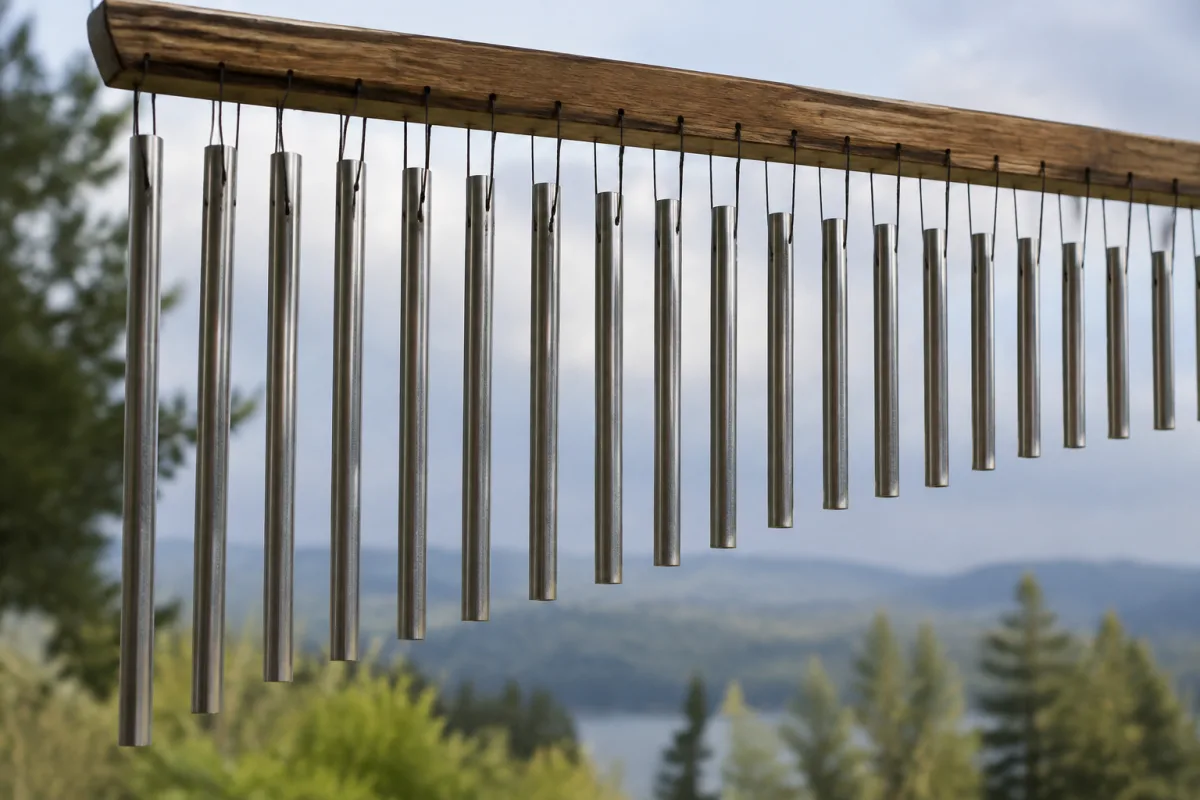
Chime instruments represent a diverse family of percussion instruments that produce clear, resonant tones through vibration of tuned metal or wooden tubes or bars. From gentle wind chimes adorning gardens to powerful orchestral versions used in concert halls and recording studios, these span applications from ambient sound design to serious musical composition. They have roots in countless musical traditions worldwide, making them essential tools for composers, percussionists and sound designers seeking rich, sustaining tones.
Types of Instruments in This Category
The word "chimes" encompasses several distinct categories. Wind chimes, the most familiar type, produce sound when air currents move strikers against hanging tubes or bars. Handheld versions allow musicians to strike individual tubes with mallets, producing specific pitches. Tubular chimes, mounted in frames, are struck by a single mallet and are common in orchestras and percussion ensembles.
Bar versions feature graduated metal or wooden bars tuned to specific pitches, arranged in order. The vibraphone, marimba and xylophone are all relatives, sharing the principle of tuned bars and resonators. Handbell versions represent another category—handheld bells tuned to specific pitches and played by individual musicians in ensembles.
Historical Development and Cultural Significance
Chime instruments have ancient origins across multiple cultures. Bells and versions appear in archaeological evidence from ancient China, where bronze chimes called "zhong" were used in rituals thousands of years ago. Chinese traditional music continues to feature various types. In Europe, church bells represent early versions with both spiritual and practical purposes.
Wind variants gained particular popularity in Asian cultures, especially East Asia, where they were believed to attract positive energy and ward off negative influences. Japanese wind versions, with their distinctive design and delicate sounds, became particularly refined art forms. European and American cultures adopted these as decorative garden elements in the 19th and 20th centuries.
Construction and Acoustics
Traditional chime instruments use high-quality metal alloys, particularly bronze or steel, chosen for acoustic properties that produce pure, sustaining tones. The thickness, length and composition of tubes or bars determine their pitch and tonal character. Longer tubes produce lower pitches; shorter tubes produce higher ones.
Resonators amplify the sound. Tubular versions often include wooden resonators beneath each tube, which vibrate sympathetically and enhance projection. The design of striking mechanisms—whether struck by hand, mallet or wind-powered striker—affects both the tone and volume produced.
In Different Musical Contexts
In orchestral music, tubular chime instruments add shimmer and resonance to dramatic moments. Composers from Wagner onwards have used them to mark important passages, add weight to climaxes or create ethereal, shimmering textures. Modern film and television composers frequently employ these for magical, mystical or dramatic effect.
Contemporary music and experimental composition have embraced these instruments extensively. The pure, sustained tones work exceptionally well in ambient music, minimalism and sound art. Handbell choirs perform a wide repertory ranging from sacred music to contemporary arrangements, with individual performers striking their assigned pitches in coordinated fashion.
Wind Versions as Decorative Art and Sound
Garden wind chimes serve both aesthetic and acoustic purposes. The gentle, random tones produced by air currents create ambient soundscapes that encourage relaxation and meditation. Different types produce distinctly different sounds: bamboo chimes create warm, organic tones; metal versions produce brighter, crisper sounds; and glass variants create bell-like tones.
Interior wind chimes have become popular for creating pleasing acoustic environments in homes and offices. Hanging these near windows or doorways allows natural air currents to activate them continuously. The unpredictable, non-rhythmic sounds differ fundamentally from intentional percussion playing, creating a different emotional and psychological effect.
Playing Techniques and Performance Practice
Musicians playing handheld and mounted chime instruments develop specific striking techniques to achieve desired tonal qualities. The type of mallet used—hard mallets produce bright attacks; soft mallets produce muted, resonant tones—fundamentally affects the sound. Strikers placed at different points along a tube produce variations in tone colour and sustain.
Handbell chime performance requires precise coordination among ensemble members. Each player controls a specific pitch and must enter precisely at the correct moment. Advanced music involves techniques like damping (stopping sound), shaking for vibrato effects and rapid note articulation. Skilled ensembles create complex musical passages through carefully coordinated individual contributions.
Modern Applications and Innovation
Contemporary design continues to evolve. Manufacturers experiment with new materials and construction techniques to produce instruments with improved tuning accuracy and acoustic projection. Electronic amplification allows smaller versions to project sounds in concert settings. Some composers and sound designers create custom instruments with unconventional tuning systems or preparations.
Recording studios employ chime instruments for soundtrack work, and sound designers use samples extensively in electronic music and film composition. The distinctive character of these tones—clear, resonant and easily recognisable—makes them valuable for conveying particular moods and atmospheres.
Choosing and Caring for These Instruments
Selection depends on intended use. Decorative garden wind versions prioritise aesthetic appeal alongside acoustic quality. Musical chime instruments for serious players require precise tuning, quality materials and reliable durability. Handheld versions should produce clear, distinct pitches without excessive sympathetic vibrations that blur note definition.
Maintenance involves protecting these from extreme weather exposure, which can affect metal oxidation and tuning stability. Cleaning occasionally with soft cloths preserves appearance and acoustic quality. Hanging hardware should be inspected regularly to ensure safe mounting.
Conclusion: The Enduring Appeal
Chime instruments occupy a unique position in music—equally valid as functional decorative objects, serious orchestral instruments and meditation aids. Their ability to produce pure, resonant tones that continue developing after initial strike makes them valuable for composers seeking sustained textures. Whether encountered as gentle garden sounds or powerful orchestral statements, these instruments continue to captivate listeners and inspire musicians worldwide.



Comments