


Roland Headphones Rh 5 Buying guide
Roland Headphones Rh 5: A Complete Buyer's Guide
The Roland Headphones RH-5 are designed for musicians who need accurate, neutral monitoring. This buying guide breaks down specs and helps you decide if they're worth the investment.
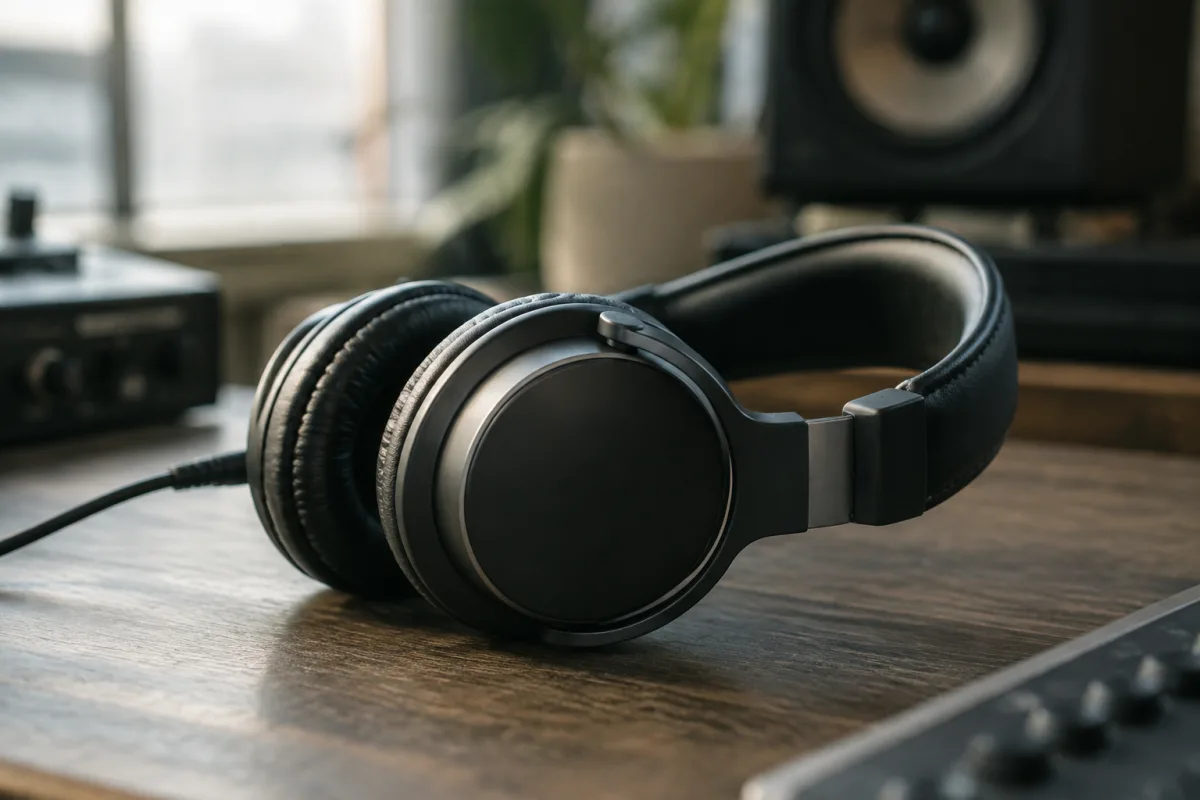
The Roland Headphones RH-5 is built specifically for musicians, and if you're considering buying one, you need to know what makes it different from consumer headphones—and whether it's right for your needs. This isn't a vague "budget option" or a fashion accessory. These professional-grade monitoring headphones are designed for accuracy. This buying guide walks you through the specs, the trade-offs, and how to decide whether this investment is worth your money.
What Makes Them Different
These aren't designed for casual listening. They're designed for musicians who need accurate monitoring during practice, recording, or live performance. That focused purpose means certain trade-offs. The Roland Headphones RH-5 sound neutral and analytical—great for catching problems in your playing, less exciting if you're accustomed to bass-heavy consumer models. Buying them means committing to function over flash.
Sound Quality and Frequency Response
The Roland Headphones RH-5 delivers a flat, neutral frequency response across the range. This accuracy is the whole point. You hear exactly what you're playing, without coloration or enhancement. For practicing scales, working on timing, or recording, they let you hear every detail. If you're used to earbuds that emphasize bass and treble, the initial impression might feel thin. Don't mistake accuracy for lack of quality—these are simply honest rather than flattering.
The frequency response spans 20 Hz to 20 kHz, covering the full spectrum humans can hear. For musicians, that means you catch everything from sub-bass rumble to high string noise. When buying these headphones, know that this neutrality is a feature, not a bug.
Comfort: Will They Feel Right During Long Sessions?
Comfort during a two-hour practice session matters more than first-impression feel. The these headphones uses padded ear cups and an adjustable headband. Most users report they're comfortable for extended wear. However, if you have a particularly large or small head, try them on before buying these headphones. Fit varies person to person.
The cable is included but replaceable, which matters if you damage it during heavy use. This modularity is a professional feature—many budget headphones don't offer cable replacement.
Build Quality and Durability
Build matters when you're buying these headphones at this price point. The construction is solid plastic and metal, designed to withstand regular use without falling apart. Hinges feel secure. The headband doesn't creak. If you're comparing these headphones to cheap alternatives, the difference in construction is immediately apparent.
However, these aren't indestructible. Drop them or sit on them and they'll break like any headphones. But normal use—daily practice, occasional gigging—the these headphones should last years.
Price and Value
The these headphones typically costs £60–90 depending on where you buy. At this price, they're mid-range professional gear. More expensive than casual headphones, significantly cheaper than high-end studio monitors. When buying these headphones, you're paying for accuracy and professional application, not brand prestige.
Value proposition: if you need accurate monitoring for practice or recording, the these headphones is excellent value. If you want bass-heavy casual listening headphones, look elsewhere. The these headphones solves a specific problem for musicians; it's not a general-purpose device.
Who Should Buy These Headphones
The these headphones makes sense if:
- You practice keyboard or electronic instruments regularly
- You record and need to hear monitoring audio accurately
- You want to hear exactly what you're playing without colored sound
- You perform and need stage monitoring
- You sit in with others and need to hear your own instrument clearly
Buying these headphones probably isn't right if:
- You only listen to music casually
- You want heavy bass and treble enhancement
- You need wireless capability (these are wired)
- You have a very tight budget for professional gear
Common Concerns When Buying
Are they too analytical to enjoy? Not if you're accustomed to professional headphones. Yes, if you're used to consumer headphones with bass boost. The first week, they sound thin. By week two, you stop noticing. By week three, you realize every other headphone you've tried was lying to you about tone.
Will they work with my keyboard? Yes. The these headphones have a standard 3.5mm headphone jack. They work with any device with headphone out. They also work with most audio interfaces and mixers.
Should I buy used? Only if you can test them first. Damaged drivers sound weird. Buying a used these headphones without hearing them is risky. New, they're affordable enough that the savings on used gear don't justify the risk.
The Bottom Line on Buying
Buying the these headphones makes sense if your needs align with what they're designed for: accurate, neutral monitoring for musicians. They're not the fanciest headphones, not the most bass-heavy, not wireless. But as monitoring tools for practice and recording, they're exactly what many musicians need. The these headphones are honest, durable, and affordable enough to be an easy recommendation if you need them. Just be clear about what you're buying—a professional tool, not a lifestyle product.


Comments