


Roland Stage Pianos Buying guide
Roland Stage Pianos: A Complete Buyer's Guide
Looking for professional keyboards? Learn how to choose the right Roland stage pianos for your performance and studio needs.
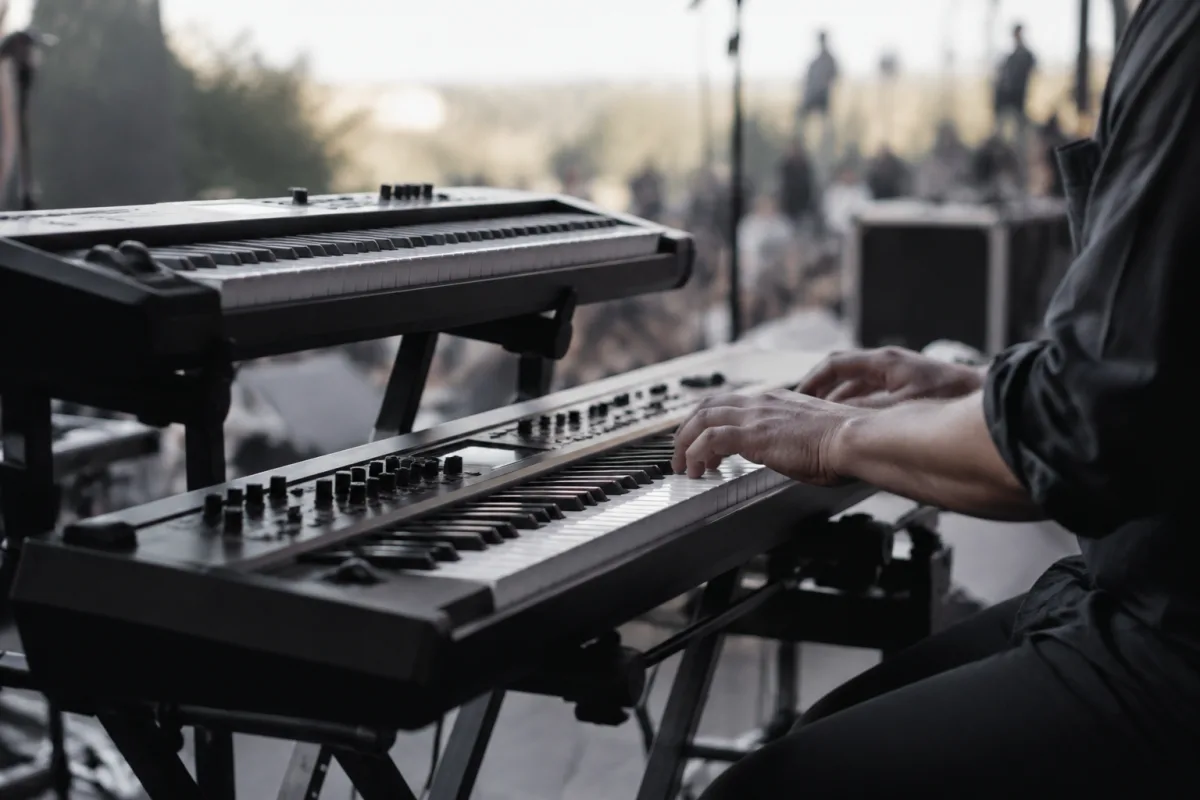
Investing in professional keyboard equipment requires thoughtful evaluation, particularly when considering Roland stage pianos. These instruments span a wide range of capabilities and price points, each suited to different performance contexts and player needs. Whether you're upgrading from home studio equipment to gigging capability, or investing in your first professional Roland stage pianos, understanding the options available ensures your purchasing decision aligns with your actual needs. This comprehensive guide helps you navigate Roland stage pianos selection and make an informed investment.
Understanding Roland Stage Pianos Categories
Roland stage pianos divide into distinct performance classes based on intended use and feature depth. Entry-level Roland stage pianos offer professional quality at accessible pricing, ideal for emerging musicians and studio work. Mid-range Roland stage pianos add expanded sound libraries and advanced connectivity for gigging musicians. Professional Roland stage pianos represent the pinnacle, featuring comprehensive functionality serving full-time touring musicians and demanding studios.
Each Roland stage pianos category emphasises different priorities. Entry-level models prioritise core functionality and value. Mid-range Roland stage pianos balance feature richness with practical affordability. Professional Roland stage pianos offer unlimited capability for musicians demanding complete creative control.
Key Specifications Comparing Roland Stage Pianos
Keyboard action is paramount when evaluating Roland stage pianos. Weighted keys simulate acoustic piano feel, essential for pianists transitioning between contexts. Unweighted, semi-weighted, and fully-weighted Roland stage pianos exist—higher-end models typically feature superior weighting systems. Test action personally when selecting Roland stage pianos if possible.
Sound library size significantly affects Roland stage pianos versatility. Entry-level models include practical sound selections; professional Roland stage pianos offer thousands of tones. Expandability matters too—some Roland stage pianos allow adding sound banks beyond stock inclusions. Evaluate whether Roland stage pianos bundled sounds suit your musical style.
Connectivity features vary across Roland stage pianos. Professional models include MIDI I/O, USB connectivity, and audio interfaces. Mid-range Roland stage pianos offer standard MIDI and audio connections. Connectivity importance depends on your integration requirements with other studio or live equipment.
Build quality and durability matter significantly for Roland stage pianos intended for touring. Heavy-duty construction, robust knobs and faders, and reliable power delivery distinguish professional Roland stage pianos from entry-level alternatives. Assess durability requirements based on your actual usage patterns.
Price Categories for Roland Stage Pianos
Entry-level Roland stage pianos (£2,000-4,000) deliver quality for home studios and beginner performers. These Roland stage pianos provide core functionality, practical sound libraries, and reliable performance without premium pricing. Entry-level options suit musicians building skills before gigging extensively.
Mid-range Roland stage pianos (£4,000-8,000) target active performers and professional studios. These Roland stage pianos feature expanded sounds, advanced connectivity, and enhanced build quality. Mid-range models represent excellent value for gigging musicians needing reliable, versatile performance instruments.
Professional Roland stage pianos (£8,000+) represent the ultimate investment. These Roland stage pianos offer comprehensive functionality, premium build quality, and extensive customisation options. Professional models suit touring musicians and top-tier studios where every feature and sound matters.
Matching Roland Stage Pianos to Your Use Case
Studio musicians prioritise Roland stage pianos with comprehensive sound selections and recording connectivity. Professional MIDI implementation allows seamless DAW integration. Mid-range to professional Roland stage pianos suit studio work better than entry-level models lacking advanced features.
Live performers require Roland stage pianos emphasising reliability, stage navigation speed, and real-time control. Tournament durability, reliable power delivery, and intuitive editing matter more than extensive sound libraries. Professional Roland stage pianos suit full-time touring; mid-range models serve emerging performers.
Solo performers using backing tracks often prefer Roland stage pianos with built-in loop and effect processing. Advanced Roland stage pianos offer these features; entry-level models might lack integration. Assess actual performance requirements before selecting Roland stage pianos.
Common Pitfalls When Buying Roland Stage Pianos
Many musicians overestimate their sound library requirements when purchasing Roland stage pianos. Performers actually use 20-30 sounds regularly despite access to thousands. Don't assume more sounds automatically mean better Roland stage pianos. Focus on whether bundled sounds suit your musical style.
Underestimating weight and portability matters more than many pianists realise when buying Roland stage pianos. Professional instruments weigh 30-50kg. Verify you can transport your Roland stage pianos comfortably, or budget for dedicated transportation or tour support.
Another common mistake involves ignoring actual connectivity needs when selecting Roland stage pianos. Many musicians buy advanced models then never use half the connectivity features. Assess your real integration requirements before letting features drive purchasing decisions on Roland stage pianos.
Neglecting to test Roland stage pianos extensively before purchasing creates buyer's remorse. Action feel, sound quality in your acoustic context, and menu navigation all matter. Use trial periods or purchase from retailers allowing returns when evaluating Roland stage pianos seriously.
New vs. Used Roland Stage Pianos
Used Roland stage pianos offer significant savings, often 30-50% below new pricing. However, inspect thoroughly for signs of heavy use, component wear, and potential reliability issues. Professional-grade use on touring Roland stage pianos can impact internal components. Purchase used Roland stage pianos from reputable dealers when possible for warranty protection.
New Roland stage pianos offer warranty coverage, current firmware, and assurance of component reliability. You avoid unknowns of used equipment history with new Roland stage pianos. For investment-level purchases, new models provide peace of mind worth considering.
Sound Quality and Tone Considerations
Roland stage pianos are renowned for convincing acoustic piano simulations. Action feel and sound quality combine to create playing experience approaching acoustic pianos. Professional Roland stage pianos excel at this simulation better than entry-level models. If realistic piano tone is critical, prioritise sound quality when evaluating Roland stage pianos.
Many Roland stage pianos offer extensive effect processing—reverbs, chorus, compression. How effects integrate with underlying sounds matters. Test how professional Roland stage pianos handle effect application to understand character you'll receive.
Expandability and Future-Proofing
Some Roland stage pianos allow adding sound expansions or firmware updates adding functionality. If future expandability matters for your investment, prioritise Roland stage pianos models supporting upgrades. This future-proofing extends usable lifespan of your Roland stage pianos.
Resale value often matters for expensive Roland stage pianos purchases. Professional models retain value better than entry-level alternatives. Consider resale implications if you might eventually sell your Roland stage pianos.
Making Your Selection
Start by defining your actual use case. Studio work? Touring performances? Solo acts with backing tracks? Your primary application guides appropriate Roland stage pianos selection within your budget range.
Next, test Roland stage pianos models fitting your requirements. Action feel, sound quality, and menu navigation matter profoundly for daily instrument use. Don't purchase Roland stage pianos without hands-on evaluation if possible.
Finally, assess technical requirements honestly. Do you need extensive connectivity? Advanced effect processing? Extensive sound libraries? Let actual needs—not theoretical features—drive Roland stage pianos purchasing decisions. For comprehensive information about specific Roland stage pianos models, visit our complete guide to Roland stage pianos.
Conclusion
Selecting appropriate Roland stage pianos requires balancing performance requirements, budget, and personal preferences. Entry-level models serve home studios and emerging performers. Mid-range Roland stage pianos suit active gigging musicians. Professional models deliver unlimited capability for demanding contexts. Regardless of your choice, Roland stage pianos represent legitimate investments in professional-quality sound and reliable performance. Take your time selecting Roland stage pianos matching your actual needs—this decision will influence your musicianship for years.



Comments