
Grand Pianos Yamaha article
The Complete Guide to Grand Pianos Yamaha
Yamaha grand pianos blend Japanese precision with refined tone, from advanced student models to concert-grade instruments. Discover the full Yamaha range and find the perfect grand piano for your aspirations.
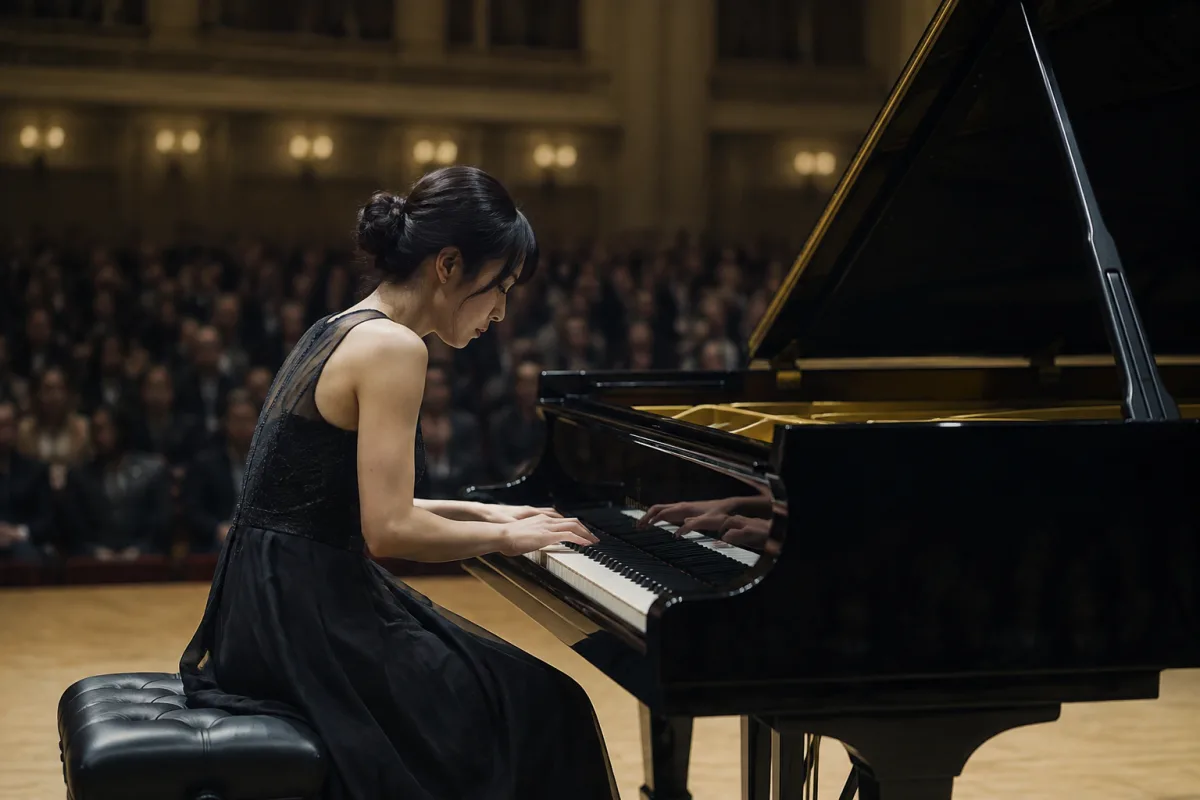
Yamaha grand pianos represent some of the finest instruments available to contemporary pianists, combining Japanese precision manufacturing with a sonic character refined over more than a century. From concert halls to recording studios, from conservatories to professional homes, Yamaha grand pianos deliver consistency, reliability, and tonal beauty that justifies their considerable investment. Whether you're a serious student, a performing musician, or a collector, understanding Yamaha's grand piano range helps you choose an instrument matching your aspirations, budget, and artistic vision.
What Makes Yamaha Grand Pianos Special?
Yamaha's reputation in grand piano manufacturing rests on meticulous craftsmanship and uncompromising attention to detail. Each grand piano is individually voiced and regulated, ensuring consistent touch and tone across all instruments. The company's manufacturing philosophy emphasises precision engineering whilst preserving the artisanal skill that transforms wood, felt, and steel into an instrument capable of expressing the full range of human emotion.
Yamaha grand pianos are known for balanced tones that work across all musical styles, from classical to contemporary. Their actions are renowned for responsiveness and control, enabling technically demanding performers to execute nuanced passages with precision. This combination of tonal warmth and mechanical reliability has made Yamaha a trusted choice in professional contexts for decades.
Yamaha Grand Piano Sizes and Models
Yamaha manufactures grand pianos in several sizes, each serving different contexts and budgets:
| Model | Length | Primary Use | Approximate Price (GBP) | Best For |
|---|---|---|---|---|
| GC1 | 5'3" | Semi-pro, advanced student | £25,000–£35,000 | Serious students, smaller professional spaces |
| GC2 | 5'8" | Professional, semi-concert | £35,000–£50,000 | Recording studios, teaching, professional performance |
| C3 | 6'1" | Concert semi-professional | £50,000–£70,000 | Concert halls, serious performers, major studios |
| C5 | 6'7" | Concert-grade | £70,000–£100,000+ | Concert halls, international touring musicians |
| C7 | 7'6" | Concert, flagship | £100,000–£150,000+ | World-class venues, recording projects, celebrated performers |
Entry-level Yamaha grands (GC1) are the smallest professionally credible grands, ideal for advancing students and semi-professional settings. Mid-range models (GC2, C3) balance concert capability with reasonable size and price, perfect for studios, teaching, and serious home use. Top-tier C5 and C7 models are concert instruments capable of filling large halls and handling the demands of international touring and major recording projects.
Yamaha Grand Piano Action and Touch
The action — the mechanical system translating finger pressure into sound — is where grand piano quality truly reveals itself. Yamaha's actions are renowned for precision, consistency, and subtle responsiveness. The keyboard responds instantly to rapid playing, repetition, and nuanced dynamic control.
Each Yamaha grand is regulated individually to exacting standards, ensuring that hammer throw, let-off, and escapement meet Yamaha's specifications. This individual attention results in instruments that feel personal and responsive rather than generic and mechanical. Professional pianists often spend considerable time testing and selecting specific instruments, knowing that subtle action differences significantly affect performance feel.
Yamaha Grand Piano Tonal Character
Yamaha grands are prized for balanced, singing tones that project beautifully in concert halls whilst remaining refined in intimate settings. The company's tonal philosophy favours clarity and evenness across the keyboard range rather than extremes of brightness or darkness.
Bass notes are deep and resonant without muddiness. Mid-range tones are warm and singing. Treble notes are bright and articulate without harshness. This tonal balance makes Yamaha pianos adaptable instruments suitable for classical, romantic, contemporary, and jazz repertoire.
Construction and Materials
Yamaha sources premium materials globally: Sitka spruce for soundboards, Austro-Hungarian felt for actions, and sustainably harvested hardwoods for frames and keys. The manufacturing process combines traditional piano-building techniques with modern precision machinery, resulting in instruments that are both hand-crafted and precisely engineered.
Each grand piano is built, voiced, and regulated over several months. The company's Japanese manufacturing standards emphasise consistency and durability, with many Yamaha grands still performing beautifully after 50+ years of use.
Yamaha Grands for Different Contexts
Serious piano students benefit from stepping up to a Yamaha GC1 or GC2, experiencing the responsiveness and tonal maturity necessary for advanced repertoire. The investment signals commitment to the instrument and develops technique impossible on smaller instruments.
Professional performers touring or recording often select a C5, knowing Yamaha's reliability and projection across diverse venues. Recording studios frequently maintain both a smaller (GC2) and larger (C5) Yamaha for flexibility across different projects and styles.
Home enthusiasts and collectors may choose based on available space and budget. A GC2 in a music room becomes a statement instrument and functional centerpiece; a C3 or C5 transforms a dedicated space into an artist's studio.
Maintenance and Longevity
Yamaha grand pianos require professional regulation and maintenance, but properly cared-for instruments last decades. Annual professional tuning and regulation keeps the action responsive and tone consistent. Many 50-year-old Yamaha grands perform as beautifully as new instruments, testament to their construction quality.
The Bottom Line
A Yamaha grand piano is a significant investment in an instrument designed to evolve musically with you throughout your life. The combination of precision engineering, tonal balance, and mechanical responsiveness makes Yamaha grands trusted instruments in concert halls and studios worldwide. Choosing the right size and model — based on your space, budget, and musical ambitions — opens possibilities for artistic expression and professional performance that justify the investment entirely.



Comments