
Piano Stool with Storage article
The Complete Guide to Piano Stool With Storage
A piano stool with storage combines ergonomic support with practical organisation, offering adjustable height seating and integrated compartments for sheet music and materials.
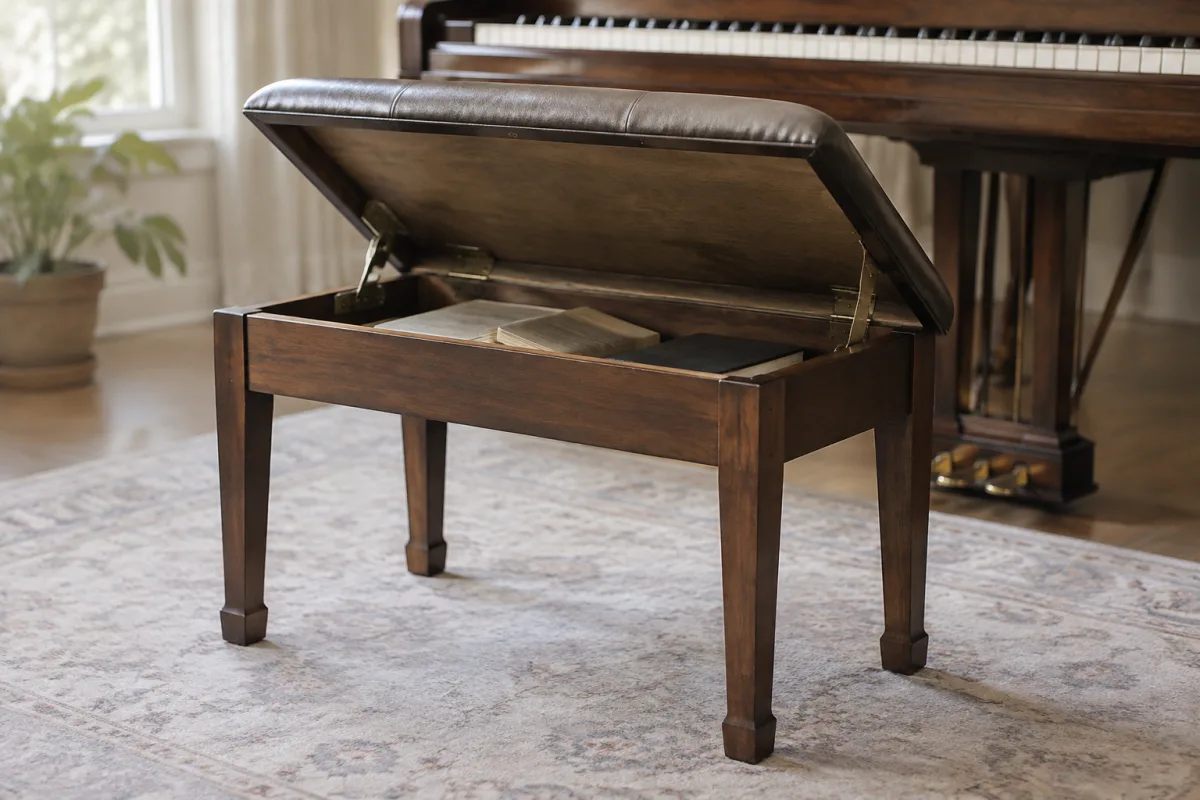
The piano stool is an often-overlooked component of the pianist’s setup, yet it profoundly influences posture, comfort during extended playing sessions and overall performance quality. A piano stool with storage elevates this humble seat into a multifunctional piece of furniture, providing both ergonomic support and practical space for sheet music, metronomes and other necessities. Whether you’re furnishing a home studio, upgrading an existing setup or seeking solutions for space-conscious living, understanding the features and benefits of storage-equipped piano stools will help you make an informed choice.
What Is a Piano Stool with Storage?
A piano stool with storage is a musician’s bench or seat, typically adjustable in height, that incorporates a storage compartment beneath the seating surface. The storage space provides convenient access to sheet music, teaching materials, metronomes and other pianist accessories without requiring separate storage solutions. This integrated design combines functionality with space efficiency, making it particularly valuable in homes where dedicated music rooms are unavailable.
Unlike traditional fixed-height piano benches, storage stools typically feature hydraulic or screw-based height adjustment mechanisms, allowing customisation to match your playing height and reach. This adjustability is essential: proper seating height influences posture, arm positioning and playing technique. The storage component transforms a simple functional seat into an organisational solution that keeps your music materials organised and immediately accessible during practice sessions.
Design and Construction
Piano stools with storage typically feature a sturdy wooden frame construction, often made from hardwoods like beech or oak selected for durability and aesthetic appeal. The top surface is padded for comfort during extended playing sessions. The storage compartment sits beneath this padded seating area, accessed by lifting the seat. Interior compartments often feature dividers or shelving, allowing organisation of materials by category or piece.
Height adjustment mechanisms vary. Screw-based adjustment requires turning a handle beneath the stool; hydraulic systems lift and lower smoothly when activated. Hydraulic mechanisms offer convenience and smoother adjustment but typically cost more than mechanical alternatives. The base structure, whether triangular or rectangular, must provide stability to support a pianist’s weight whilst preventing tipping during energetic playing.
Upholstery choices range from basic vinyl to premium leather, affecting durability and aesthetics. Quality padding thickness varies; thicker, firmer padding supports proper posture better than thin, soft cushioning. The stool’s finish should complement your piano and room aesthetics; many stools are available in black, brown and natural wood finishes.
Storage Functionality
The storage compartment’s utility is the primary advantage distinguishing these stools from traditional benches. Sheet music fits naturally within the compartment, eliminating the need for separate storage shelves or music stands. This is valuable in practice situations where multiple pieces might be referenced during a session without requiring constant movement to retrieve materials.
The compartment also accommodates metronomes, tuning devices, manuscript paper and teaching materials. For piano teachers working with students, the storage provides immediate access to supplementary materials without cluttering the immediate playing area. For composers, manuscript paper and writing tools remain organised and accessible.
Storage capacity varies between models. Compact stools with modest storage suit single pianists with limited material volume. Larger stools accommodate multiple music binders, books and accessories, making them better suited to teachers or musicians with extensive repertoire. Consider your anticipated storage needs when evaluating capacity.
Comparing Piano Stool Options
| Stool Type | Cost Range | Storage Capacity | Height Adjustment | Durability | Best For |
|---|---|---|---|---|---|
| Basic Storage Stool | £50–150 | Modest | Screw mechanism | Adequate | Students, casual players |
| Premium Storage Stool | £150–400 | Good | Hydraulic | Excellent | Serious amateurs, teachers |
| Traditional Bench (No Storage) | £50–300 | None | Varies | Varies | Players preferring classic aesthetics |
| Fixed-Height Bench | £30–100 | None | No adjustment | Basic | Keyboards, electronic pianos |
Ergonomics and Playing Position
Correct seating height is fundamental to proper piano technique. Your forearms should align roughly horizontally when playing, with elbows sitting comfortably at 90-degree angles. A piano stool with storage that adjusts to match your body proportions supports this alignment, reducing shoulder and back strain during practice sessions.
The stool should provide firm support without excessive softness that causes sinking into the cushion. Quality stools have padding substantial enough to prevent discomfort but firm enough to maintain posture alignment. After 30 minutes of playing, you shouldn’t experience back or leg discomfort; persistent discomfort signals either improper height adjustment or inadequate padding quality.
Stability matters considerably. A well-designed stool remains stationary throughout playing, providing confidence and safety. Wobbly, unstable stools create tension and distraction, negatively impacting concentration and performance. Test stability during purchase when possible, or prioritise models with wide, weighted bases and sturdy leg construction.
When to Choose a Piano Stool with Storage
A piano stool with storage is ideal if you have limited space and need integrated organisation solutions. The practicality of accessing sheet music without leaving your playing position is genuinely valuable, particularly during lessons or practice sessions. For piano teachers, the storage stool transforms the playing area into a more efficient teaching space.
The integrated storage also benefits composers who work at the keyboard, keeping manuscript paper and writing materials within arm’s reach. Musicians learning multiple pieces benefit from having several scores organised and accessible simultaneously.
Less essential if your musical situation involves primarily one or two pieces played repeatedly, or if you prefer traditional bench aesthetics and don’t require significant material storage. Professionals with extensive soundproofed music rooms may prefer dedicated storage solutions over a stool-integrated approach.
Maintenance and Durability
Piano stools with storage require minimal maintenance. Periodic vacuuming of the storage compartment removes dust. Wipe the upholstery with a soft cloth; stubborn stains respond to appropriate furniture cleaners. Check adjustment mechanisms occasionally to ensure smooth operation; lubrication might be necessary if the hydraulic system becomes sluggish.
Quality stools last 10–20+ years with reasonable care. The storage compartment doesn’t accumulate significant wear compared to the seating surface. Inspect the hinge mechanisms periodically; if they develop squeaking or become loose, tightening bolts usually resolves the issue.
Conclusion
A piano stool with storage represents a practical, space-efficient solution for pianists seeking both ergonomic support and organisational functionality. The combination of adjustable seating height for proper playing posture and integrated storage for music materials makes these stools particularly valuable for homes where space is limited. Whether you’re establishing a home practice environment, furnishing a teaching studio or seeking to optimise your existing setup, a quality piano stool with storage offers genuine practical benefits. The integration of storage transforms what might be dismissed as a simple seat into a multifunctional component that enhances both your practice experience and room organisation.
Frequently Asked Questions
How do I adjust the height on a piano stool with storage? Most stools use either screw-based mechanisms (turn a handle beneath the seat) or hydraulic systems (push/pull levers). Consult your stool’s manual for specific adjustment instructions.
What’s the correct seating height for playing piano? Your forearms should align roughly horizontally when your hands rest on the keys, with elbows at approximately 90-degree angles. Adjust your stool to achieve this alignment.
How much storage capacity is typical? Storage capacity varies substantially. A modest stool might hold 20–30 sheets of music; larger models can accommodate multiple binders and accessories. Evaluate your anticipated storage needs when choosing a model.
Are piano stools with storage suitable for all piano types? Yes, they work with acoustic pianos, digital pianos and keyboards. Height adjustment allows customisation to match different instrument heights.
How do I clean a piano stool with storage? Vacuum the storage compartment regularly, wipe upholstery with soft cloths, and use appropriate furniture cleaners for stubborn stains. Avoid excessive moisture.
Do I need a specialised stool or can I use any adjustable bench? Whilst any adjustable bench works functionally, a stool specifically designed with storage provides the integrated organisational benefits that justify the purchase.



Comments