


Novation Bass 2 Buying guide
Novation Bass 2: A Complete Buyer's Guide
Essential buying guide for choosing the Novation Bass 2, covering synthesis capabilities, MIDI connectivity, keyboard response, and purchasing pitfalls.
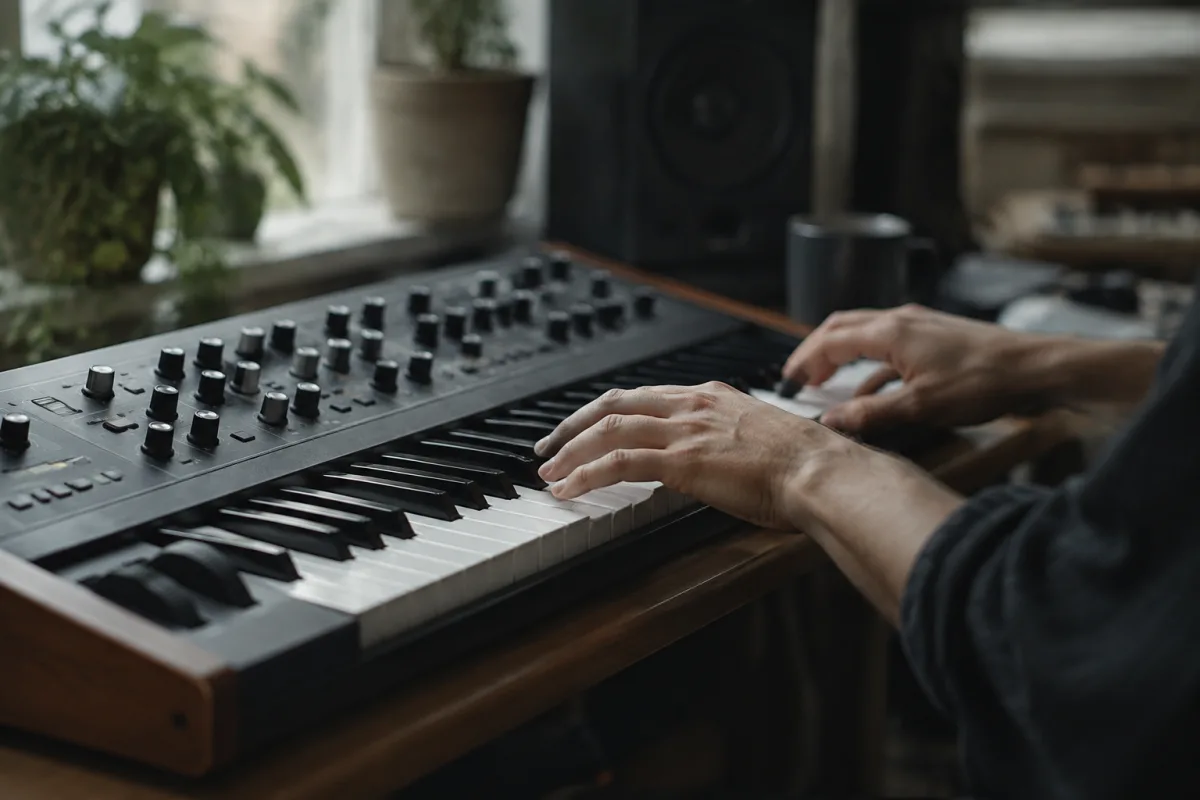
Selecting a Novation Bass 2 synthesizer is an exciting decision for bass producers, sound designers, and electronic music enthusiasts. This compact yet powerful synthesizer delivers deep bass sounds, real-time control, and intuitive performance capabilities. Understanding the specifications, connectivity options, and feature set ensures you purchase a Novation Bass 2 that matches your production workflow and musical goals.
Understanding the Novation Bass 2 and Its Purpose
The Novation Bass 2 is a compact monophonic synthesizer designed primarily for bass production and lead sequences. Unlike polyphonic synthesizers that play multiple notes simultaneously, the Bass 2 focuses on delivering rich, expressive bass lines with responsive performance controls. It excels in electronic music production, hip-hop beat creation, and live performance settings where bass-focused sounds are essential. Buyers choosing the Novation Bass 2 prioritise quality bass synthesis over multi-note capabilities.
Price, Options, and Value Considerations
The Novation Bass 2 typically retails between £200-£350 depending on retailer and region. This price point positions it in the affordable synthesizer category whilst maintaining professional sound quality. Buyers might also consider alternative options: the original Novation Bass Station (available second-hand, £150-£250) offers classic sounds but lacks modern connectivity; the Novation Bass Station II (£350-£450) provides expanded polyphony and modulation depth; the Nord Lead A2 (£500+) delivers more complex synthesis capabilities at higher cost.
Evaluate whether the Novation Bass 2's specific feature set aligns with your needs before selecting based on price alone. Higher-priced alternatives offer additional synthesis possibilities, whilst budget-conscious producers may discover satisfactory bass production from the Bass 2 without spending significantly more.
Key Specifications and Features to Evaluate
Synthesis Engine and Sound Design
The Novation Bass 2 features a straightforward synthesis architecture: typically one oscillator with waveform selection, a filter section for tonal shaping, an envelope generator for amplitude control, and modulation capabilities. Examine the oscillator options (sawtooth, square, triangle wave shapes) as different waveforms produce distinct bass character. Test the filter's resonance and envelope speed to assess sonic variety. Verify whether the synthesizer offers MIDI automation for filter and envelope parameters—this determines production flexibility in DAW environments.
Keyboard and Control Interface
The Novation Bass 2 includes 32 velocity-sensitive keys providing sufficient range for bass lines and lead melodies. Assess the key action—are keys responsive to light touch and pressure-sensitive playing? Test the pitch bend and modulation wheels to verify smooth, intuitive real-time control. Examine knobs and buttons for responsiveness and layout ergonomics. Performance control quality directly impacts expressiveness during live playing and recording.
Connectivity and Integration
Check MIDI input capability—does the Bass 2 accept external MIDI control from keyboards, controllers, or DAW software? Verify audio outputs (typically stereo outputs plus headphone out). Assess whether the synthesizer features USB MIDI connectivity or traditional five-pin DIN MIDI. Ensure the power solution (wall adapter, batteries, or USB) matches your intended usage. Producer workflow often depends on seamless DAW integration and reliable MIDI communication.
Assessing Sound Quality and Performance
Before purchasing, test the Novation Bass 2 extensively:
- Bass tone generation: Play the full keyboard range evaluating bass punch and depth across low frequencies. Test how resonant the filter is at varying settings. Assess whether the bass character meets your musical expectations.
- Envelope response: Program fast and slow envelope shapes. Verify the synthesizer responds correctly to your playing dynamics and envelope adjustments. Test whether attack and release times feel natural and responsive.
- MIDI performance: Send MIDI note sequences from a DAW or controller. Confirm the synthesizer responds reliably without latency or dropped notes. Check that modulation messages (CC data) affect parameters as intended.
- Reliability: Test all buttons, knobs, and keys multiple times. Ensure there are no scratchy potentiometers or stuck keys that would require warranty service.
Common Purchasing Mistakes and Pitfalls
Buyers often overlook critical considerations when selecting the Novation Bass 2:
Assuming compact size means limited capability: The Bass 2's small footprint doesn't limit bass quality. However, the 32-key keyboard may feel restrictive for players accustomed to larger keyboards. Determine whether you're comfortable with its size before committing.
Prioritising price over sound character: Whilst the Bass 2 is affordable, cheaper alternatives might produce inferior bass quality or have sluggish performance. Audition multiple options at the same price point rather than selecting solely based on cost.
Neglecting MIDI connectivity requirements: If your production workflow depends on MIDI sequencing, verify the Bass 2 offers adequate MIDI implementation. Some budget synthesizers have limited MIDI features. Confirm it integrates smoothly with your DAW or controller setup.
Underestimating power and connectivity needs: Check whether you need multiple audio outputs for parallel processing or stereo effects. Verify the power solution (batteries vs. AC adapter) suits your setup. Consider whether you'll use external effects processing or control the Bass 2 exclusively via MIDI.
Skipping warranty and support verification: Confirm the retailer offers standard manufacturer warranty (typically 1-2 years). Research Novation's support reputation and firmware update history. Used units may lack warranty protection, requiring more careful pre-purchase inspection.
New Versus Pre-Owned Considerations
New Novation Bass 2 units arrive with full warranty and guaranteed condition, though they cost full retail price. Pre-owned models (1-5 years old) often represent excellent value if the previous owner maintained the unit carefully. Inspect used units thoroughly for worn keys, scratchy potentiometers, or connectivity issues. Always test functionality before purchasing used instruments. Verify that control responsiveness hasn't degraded through heavy use.
Comparing Alternatives and Making Your Decision
The Novation Bass 2 competes with other compact synthesizers offering bass-focused sound design. Test competing models from manufacturers like Nord (Nord Lead series), Elektron (Analog Rytm), or other Novation options (Bass Station II). Compare synthesis depth, sound quality, build construction, and feature sets. Create a shortlist of 2-3 alternatives within your budget and evaluate each thoroughly.
For comprehensive information about Novation Bass 2 capabilities, sound characteristics, and how it compares to other synthesizers in its range, explore the complete guide to Novation Bass 2. This guide complements the purchasing considerations outlined here.
Finalising Your Novation Bass 2 Purchase
Trust your ears and instincts when selecting a synthesizer. Spend at least 15-20 minutes playing the Novation Bass 2, programming patches, and testing MIDI control before committing. Ensure the sound character resonates with your musical vision and that the interface feels intuitive under your fingers. A well-chosen synthesizer becomes a trusted creative tool for years of music production and performance enjoyment.



Comments