


Novation Digital Piano Buying guide
Novation Digital Piano: A Complete Buyer's Guide
Novation digital pianos offer flexibility and production integration. This buying guide covers models, specs, and how to choose the right one.
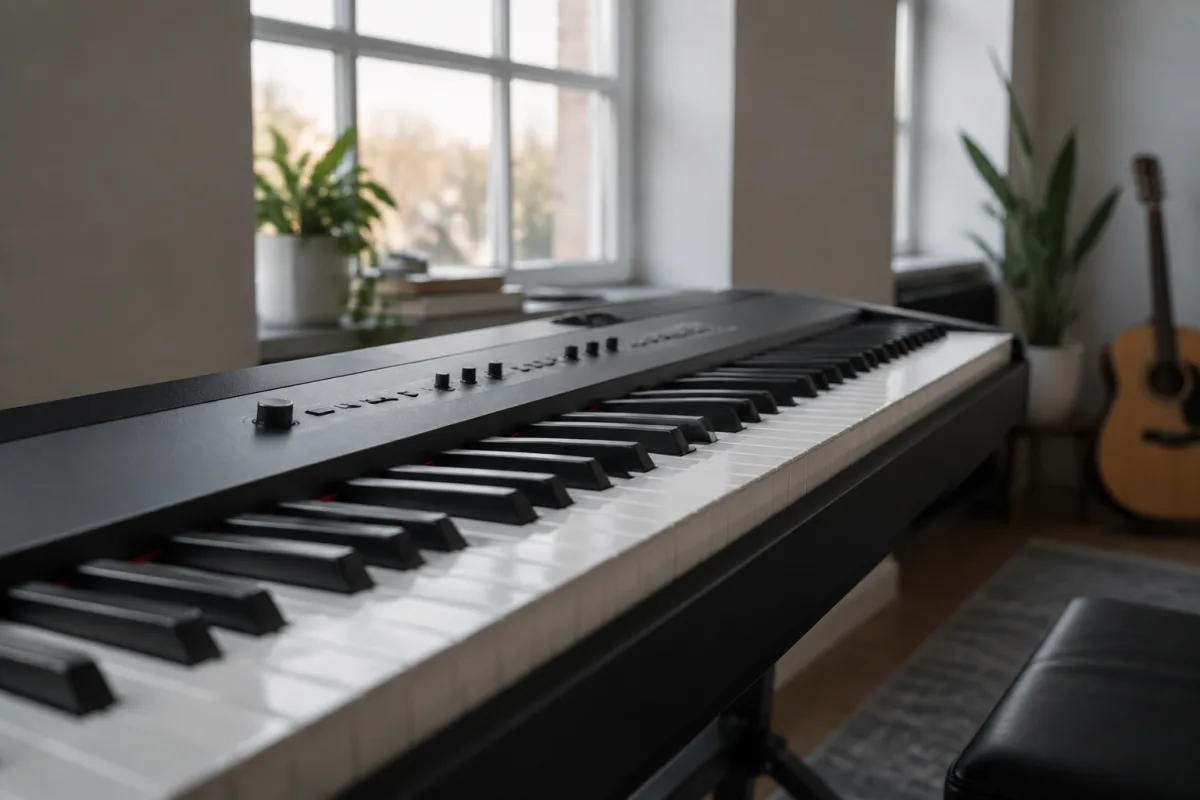
Choosing a Novation Digital Piano: What Matters
Novation makes versatile digital pianos and keyboards geared toward modern players who want flexibility, good sound, and professional build quality. If you're considering buying a Novation digital piano, this guide explains the key differences between models, important specs, and how to match your needs to the right instrument without overspending.
Understanding Novation's Approach
Novation isn't an acoustic piano brand trying to go digital—they're synthesiser and keyboard specialists who've built digital pianos with modern musicians in mind. This means their pianos often come with advanced MIDI features, built-in production capabilities, and flexible connectivity. If you want a piano that also functions as a music production tool, Novation is worth considering. If you want something that simulates an acoustic piano perfectly, Novation is less specialised than piano-focused brands.
Main Novation Digital Piano Lines
Launchkey Series
Compact keyboards built for production and performance. Not traditional pianos, but capable digital pianos with good sound engines. Popular with producers and performers who need portability. Weighted keys vary by model.
Impulse Series
Eight-key mini keyboards. Too small for serious piano playing but excellent for beat-making and studio work. Not recommended if piano playing is your priority.
SL Series (if available)
Full-range keyboard controllers (49–88 keys) with weighted action. Better for piano playing than Launchkey. Focused on flexibility and production integration.
Key Specs to Compare
Keyboard Size
Novation keyboards range from 25 to 88 keys. For serious piano playing, 88 keys is standard. Smaller keyboards suit producers and beat-makers. If piano playing is your main goal, get 88 keys.
Keyboard Action
Weighted action (hammer response) improves playability and feels more like an acoustic piano. Semi-weighted keys are lighter but less piano-like. Unweighted keys are light and responsive but feel synthetic. Novation's approach varies—some models prioritise production over piano feel.
Sound Engine and Voices
Novation's sound libraries are solid but often focused on synthesis and modern sounds rather than acoustic piano authenticity. Piano samples are good but not as detailed as specialist piano brands. For studio work, the variety is an asset; for classical piano, it's less ideal.
MIDI Connectivity and Software Integration
Novation keyboards integrate well with production software via USB and MIDI. Many come bundled with production software. This is a major strength if you plan to use your keyboard with a DAW. For pure piano playing, it's less relevant.
Price Tiers
| Price Range | Model Type | Key Features | Best For |
|---|---|---|---|
| £150–300 | Compact controllers (25–49 keys) | Mini keyboard, good MIDI, portable | Producers, beat-makers, sketching ideas |
| £400–700 | Mid-range (61–88 keys, semi-weighted) | More keys, semi-weighted action, good build | Home studios, production-focused players |
| £700–1,200 | Professional (88 keys, weighted) | Full weighted action, advanced features, durability | Professional producers, studio musicians |
| £1,200+ | Premium & Limited Models | Top components, custom configs, boutique finishes | Professionals, studios, collectors |
Novation vs. Specialist Piano Brands
Novation Advantages
- Better production integration and software bundling.
- More modern, flexible approach to keyboard design.
- Excellent for producers who want a keyboard that's both instrument and tool.
- Often cheaper than specialist piano brands for similar specs.
Novation Disadvantages
- Piano samples are good but less detailed than specialist brands like Yamaha or Roland.
- Weighted action options are more limited.
- Philosophy is more "modern musician" than "acoustic piano purist".
- Some models prioritise production features over piano playability.
Who Should Buy a Novation Digital Piano?
Yes, if you:
- Want a keyboard that's both instrument and production tool.
- Plan to use software DAWs alongside your keyboard.
- Play modern genres (electronic, pop, hip-hop) more than classical.
- Value portability and flexibility over acoustic authenticity.
- Want good value for money without specialist piano heritage markup.
Maybe reconsider if you:
- Prioritise authentic piano feel and sound above all else.
- Want a keyboard that looks and feels like a traditional piano.
- Focus exclusively on classical piano playing.
- Don't plan to use production software or MIDI integration.
Finding the Right Model
Start with your key need: How many keys do you need (61, 76, or 88)? Do you need weighted action for piano feel? Will you use it with production software? Once you answer these, look at Novation's current models in that category. If weighted action is essential, ensure your model offers it. Test before buying if possible—keyboard feel varies significantly.
New vs. Used
Novation keyboards are well-built and hold value. Used models can be 15–25% cheaper than new. Buying used from a reputable seller works if the keyboard shows no damage and all buttons/keys respond properly. For a first Novation, new with warranty is safer; experienced users can find good deals on used gear.
Final Word
A Novation digital piano is best for modern musicians who want flexibility, production integration, and good value. It's less specialised for pure acoustic piano emulation than dedicated piano brands, but that's not Novation's design philosophy. If you want a keyboard that doubles as a creative tool, connects to your DAW, and sounds professional in contemporary genres, Novation is a smart choice. If you want a piano that sounds and feels like an acoustic instrument first and foremost, explore specialist brands. Choose based on your actual playing priorities, not marketing.


Comments