


Medeli Digital Piano Buying guide
Medeli Digital Piano: A Complete Buyer's Guide
Medeli digital pianos range from budget entry-level to near-professional instruments. Here's how to identify which models genuinely suit your level and needs.
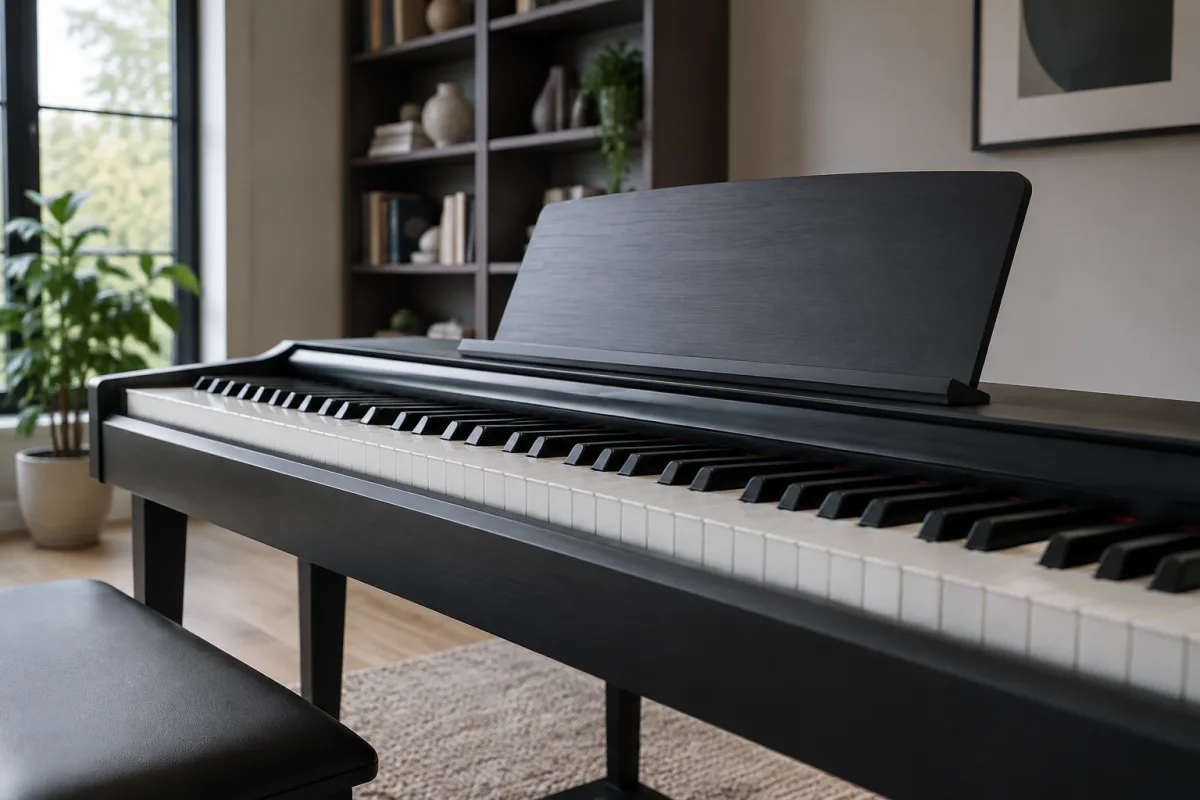
Understanding Medeli Digital Pianos
Medeli digital pianos offer budget-conscious players a genuine introduction to serious keyboard playing. The brand builds instruments across a wide price range, from entry-level models under £200 to semi-professional units exceeding £1,000. Before committing to any Medeli digital piano, you should understand which models genuinely suit your needs and which corners have been cut.
Key Specifications to Compare
Medeli's range is broad, and specifications vary dramatically across the lineup. Focus on these fundamentals when evaluating which model is right for you.
Keyboard Action and Key Construction
Entry-level Medeli pianos use plastic keys with minimal weighting — suitable only for absolute beginners. Mid-range models feature graded weighted actions where the bass keys offer more resistance than the treble, mimicking a real piano. The best Medeli instruments use wooden keys with hammer action. This matters enormously: a weighted action develops genuine playing technique; plastic keys will hamper any serious learner by year two.
Sound Engine and Voices
Medeli's sound quality varies significantly by price point. Budget models use basic sampled piano tones that reveal their digital origins under close listening. Professional Medeli instruments employ higher-quality sampling with better velocity sensitivity — the system responds to how forcefully you strike each key. Check the number of piano voices and listen critically to the decay (does the note fade naturally or drop off suddenly?). A dozen mediocre voices is worse than three excellent ones.
Pedal Configuration
All but the cheapest Medeli pianos include three pedals — sustain, soft (una corda) and sostenuto. These should feel responsive and operate smoothly. Cheap plastic pedals that squeak or stick are a sign of poor overall build quality. Press each pedal firmly and listen for any noise from the action mechanism; excessive clicking suggests shortcuts in internal construction.
Evaluating Entry-Level Models
Medeli's budget pianos (under £300) are tempting for cost-conscious families. Before buying, understand what you're sacrificing.
Realistic Expectations
These models are genuine learning instruments with real keys and pedals. However, the action is simplified, the sound is basic and the built-in speakers are often tinny. They're appropriate for young learners and hobbyists who practice under 30 minutes daily. If you're an adult learner or expect anyone to progress beyond grade 2 piano, invest more.
Common Compromises
Lower-cost Medeli pianos often have non-graded weighted actions (all keys feel the same), fewer sound options and fragile key mechanisms. Some models sacrifice the sustain pedal implementation — the sustain effect fades digitally rather than using authentic damper simulation. Others use poor-quality plastic for structural components, making them feel flimsy and sound cheap.
Mid-Range Models (£300–£600)
This tier is where Medeli offers genuine value. You'll find graded weighted actions, better sound sampling and solid construction. These instruments are suitable for intermediate learners and amateurs who want a capable instrument without paying professional prices. The build quality is reliable — internal mechanisms feel solid and pedal response is natural.
What to Check
At this price, ensure the keyboard action feels responsive across all 88 keys with consistent resistance. Listen for the sustain pedal to effect authentic damper behaviour (notes sustain with natural resonance, not digital fading). Test the MIDI output if you plan to record — connectivity should be reliable.
Professional Models (£600+)
Medeli's higher-end instruments approach the build quality and playability of brands like Yamaha and Roland. Wooden key actions, extensive sound libraries and professional connectivity make them suitable for performers and advanced students. These models are competitive with mid-range Japanese brands at a lower price point.
Common Pitfalls When Buying Medeli
Experienced keyboard players know which Medeli models deliver value and which represent false economy.
- Confusing "weighted" with "hammer action": Not all weighted actions are equal. Medeli's cheaper "weighted" actions are spring-weighted — technically weighted but not piano-like. Hammer action (with escapement) is what you want for serious playing.
- Ignoring the action's consistency: Check that all 88 keys feel equally responsive. Some cheap Medeli pianos have inconsistent weighted resistance across the keyboard.
- Poor speaker quality: Many Medeli models have weak built-in speakers. Budget for separate powered speakers if you plan to practice audibly.
- Minimal sound editing: Some budget models offer no way to adjust velocity sensitivity, reverb or tone shaping. You're stuck with preset sounds, which limits expression.
- Flimsy construction details: Loose key tops, rattling sound effects buttons and squeaky pedals are warning signs of overall poor build quality.
Price Tiers and Value
Understanding what each Medeli price point delivers helps you make the right choice.
Under £250
Absolute beginners only. Simplified weighted keys, basic sound engine, limited connectivity. Appropriate for young children testing whether they'll stick with piano.
£250–£400
Entry-level intermediate: graded weighted action, decent sampling and basic MIDI output. Good value for adult learners and younger intermediate players.
£400–£700
Serious players at this level: reliable weighted keys, quality sound engine and professional connectivity. These compete directly with entry-level Yamaha and Roland models.
£700+
Near-professional quality: wooden key actions, extensive sound libraries and robust construction. Price-to-performance advantage over premium Japanese brands.
Testing a Medeli Piano Before Buying
Always play before you buy. Here's what to evaluate during a demo.
- Action feel across the range: Play scales up and down the full 88-key range. The key resistance should feel consistent — no dead zones, no keys that feel lighter or heavier than others.
- Sustain pedal response: Hold a chord with the sustain pedal engaged. The sound should bloom and sustain with natural character. If it sounds thin or digital, the sustain implementation is poor.
- Repetition: Play a middle C rapidly without fully releasing the key. On a graded action with proper escapement, the note should re-trigger naturally.
- Sound dynamics: Play the same note at extreme soft and extreme loud volumes. The sound should scale linearly — no sudden jumps in volume.
- Build noise: Listen carefully for mechanical squeaks, key rattle or speaker buzz. Any of these signals poor build quality.
Connectivity and Integration
Most Medeli models offer USB and 5-pin MIDI output. If you're recording to a DAW, test the USB connection with your computer. Some models have driver compatibility issues — verify your model works with your OS (Windows, macOS, Linux) before buying.
The Bottom Line
Medeli digital pianos deliver genuine value at the lower end of the keyboard market, but quality varies significantly by model. Invest in at least the mid-range tier if you're an adult learner or expect serious progress. Always play before buying — a graded weighted action and responsive sustain pedal are non-negotiable for developing real technique. The most affordable Medeli piano is the one you'll outgrow in a year; the best Medeli piano is the one that grows with your playing for years to come.



Comments