


Kurzweil Digital Piano article
Kurzweil Piano Digital: A Complete Guide
Kurzweil digital pianos deliver professional-grade sampled sounds, responsive weighted keyboards and extensive connectivity for studios and touring performers. Discover the specifications and features that make Kurzweil a trusted choice for serious musicians.
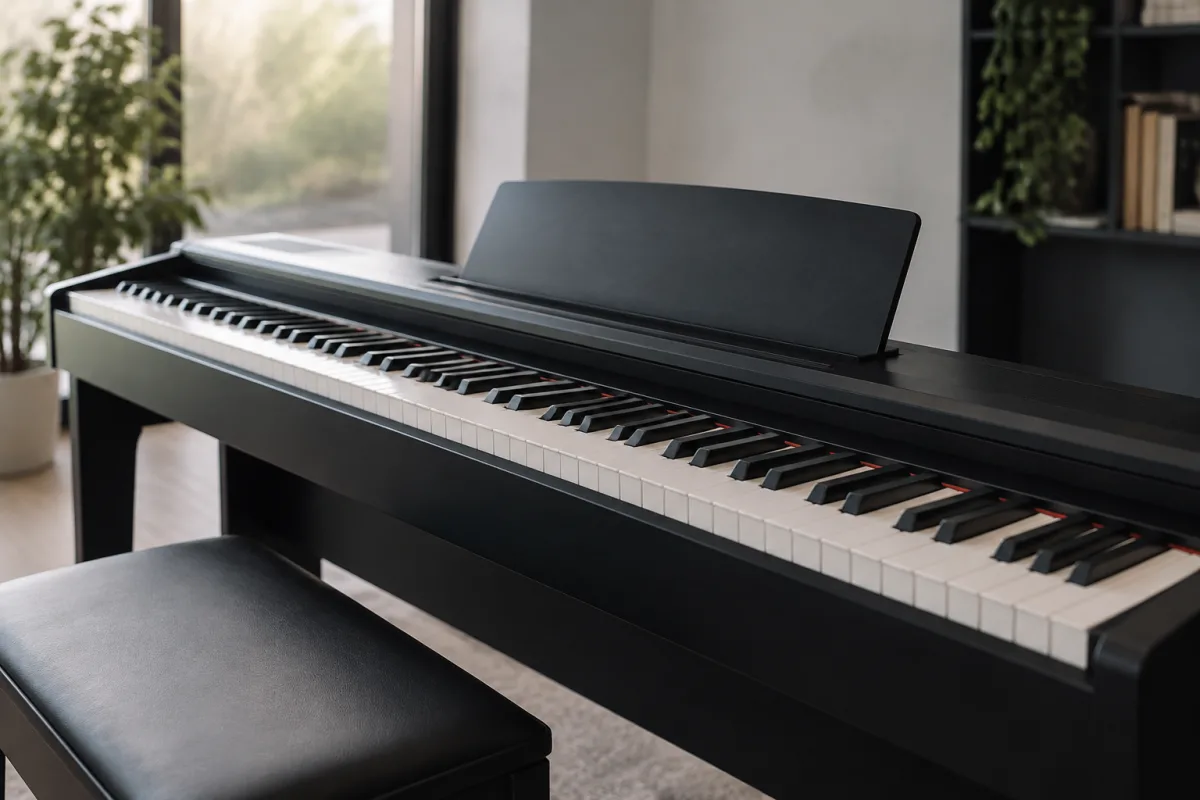
Kurzweil digital pianos combine sophisticated sampling technology with professional-grade keyboards and extensive connectivity, appealing to serious musicians, touring professionals and recording studios. A Kurzweil digital piano distinguishes itself through comprehensive sound libraries, advanced performance controls and the durability expected from an instrument that has served the music industry for decades.
What Is a Kurzweil Digital Piano?
A Kurzweil digital piano is a weighted keyboard instrument featuring sampled acoustic piano sounds, extensive additional instruments and advanced synthesis capabilities. Manufactured by Kurzweil Music Systems, now part of Steinway & Sons, these instruments range from portable stage keyboards to substantial 88-key weighted controllers. A Kurzweil digital piano prioritises sonic authenticity, playability and professional-level features.
The brand's reputation stems from decades of innovation in music technology. A Kurzweil digital piano reflects that heritage through meticulous sound sampling, responsive key action and robust engineering. Unlike consumer-grade keyboards, a Kurzweil instrument is built for demanding professional use—touring, recording studios and live performance.
Key Features of Kurzweil Digital Pianos
A Kurzweil digital piano typically includes:
- Weighted 88-key action: Hammers and springs simulate acoustic piano resistance, essential for proper technique development
- Sampled piano sounds: Multiple grand piano and upright piano libraries from renowned instruments
- Extended sound palette: Strings, brass, woodwinds, electric pianos, organs, synth layers and percussion sounds
- Master keyboard functionality: MIDI connections for controlling external sound modules and software
- Built-in sequencer: Recording and arranging capabilities for composition and practice
- Effects processors: Reverb, chorus, delay and other effects for sound shaping
- USB and MIDI connectivity: Integration with computers and DAWs for recording and production
The core appeal of a Kurzweil digital piano lies in this combination. A musician gains the touch and technique development of an acoustic piano with the sonic flexibility and professional features demanded by contemporary music production.
Kurzweil Digital Piano Models and Specifications
A Kurzweil digital piano comes in several formats, each serving different applications:
| Type | Example Use | Key Count | Action Type |
|---|---|---|---|
| Stage keyboard | Live performance, touring | 61–88 keys | Weighted or semi-weighted |
| Master controller | Studio control surface | 88 keys weighted | Fully weighted hammer action |
| Console model | Performance venue installation | 88 keys | Premium weighted action |
| Portable model | Rehearsal and teaching | 61–88 keys | Weighted or semi-weighted |
Each format serves distinct contexts. A Kurzweil digital piano chosen for touring differs from one selected for studio integration—but all share the sonic foundation and professional reliability the brand delivers.
Sound Quality and Sampling Technology
A Kurzweil digital piano's acoustic piano samples represent meticulous recording sessions at professional studios. The piano sounds capture multiple dynamic levels and velocity ranges, allowing the instrument to respond musically to subtle fingering variations. This responsiveness is crucial—a Kurzweil digital piano that cannot distinguish between soft and forceful playing will feel unresponsive and unsuitable for classical technique.
Beyond pianos, a Kurzweil digital piano includes carefully sampled strings sections, brass ensembles and woodwind libraries. These are not synthesized from thin air—they derive from professional recordings, lending authenticity to orchestral arrangements and composition work.
Connectivity and Integration
Modern music production demands seamless integration. A Kurzweil digital piano includes:
- MIDI In/Out: Controlling external synthesizers, drum machines and software instruments
- USB connectivity: Direct connection to computers running DAWs for recording and production
- Audio outputs: Balanced XLR and unbalanced RCA connections for amplification and mixing consoles
- Pedal inputs: Expression pedals, sustain pedals and other foot controllers
A Kurzweil digital piano functioning as a master controller becomes the centre of a modern music production setup, commanding software synthesizers, samplers and effects whilst providing acoustic-piano authenticity for performance.
Professional Applications
A Kurzweil digital piano serves multiple professional roles:
- Concert halls and theatres: Reliable performance instrument for classical and contemporary music
- Recording studios: Capturing piano parts with sampled sounds and additional instruments
- Live touring: Portable stage keyboard providing consistent tone across venues
- Educational institutions: Teaching classical piano technique with built-in sequencing and practice tools
- Film and television scoring: Composition and mock-up creation before live orchestral recording
Each application leverages a Kurzweil digital piano's combination of acoustic authenticity and electronic flexibility.
Comparing Kurzweil to Other Professional Digital Pianos
Competitors in the professional digital piano category include Yamaha, Nord, Steinway and others. A Kurzweil digital piano distinguishes itself through its sampled sound palettes, legacy in professional music studios and reputation for reliability. Some players prefer Yamaha's key action; others favour Nord's synthesis engines. A Kurzweil digital piano remains a benchmark, particularly where sampled authenticity and professional integration matter most.
Choosing a Kurzweil Digital Piano
Consider these factors when selecting a Kurzweil digital piano:
- Primary application: Concert performance, touring, studio work or teaching
- Portability: Will the instrument travel frequently or remain stationary?
- Key action: Fully weighted hammer action for serious pianists; semi-weighted for versatility
- Sound palette: Evaluate the acoustic piano samples and supplementary instrument libraries
- Connectivity requirements: MIDI, USB and audio output specifications for your setup
- Budget: Professional Kurzweil instruments command significant investment; evaluate feature priorities
Play a Kurzweil digital piano extensively before purchasing. Test the action in repeated octaves to assess consistency. Evaluate the piano samples at multiple dynamic levels. Confirm that connectivity matches your production workflow.
Conclusion
A Kurzweil digital piano offers professional musicians authenticity without compromise. Whether composing in a home studio, performing in concert halls or integrating into a complex production rig, a Kurzweil instrument delivers sampled sophistication, responsive playability and reliability that justifies professional investment. The brand's decades of innovation and enduring presence across music's most demanding environments confirm its status as a trusted, capable professional platform.




Comments