
Yamaha Weighted Keyboard article
The Complete Guide to Yamaha Weighted Keyboard
A Yamaha weighted keyboard combines piano authenticity with modern convenience. Discover which models suit beginners, hobbyists, and gigging musicians alike.
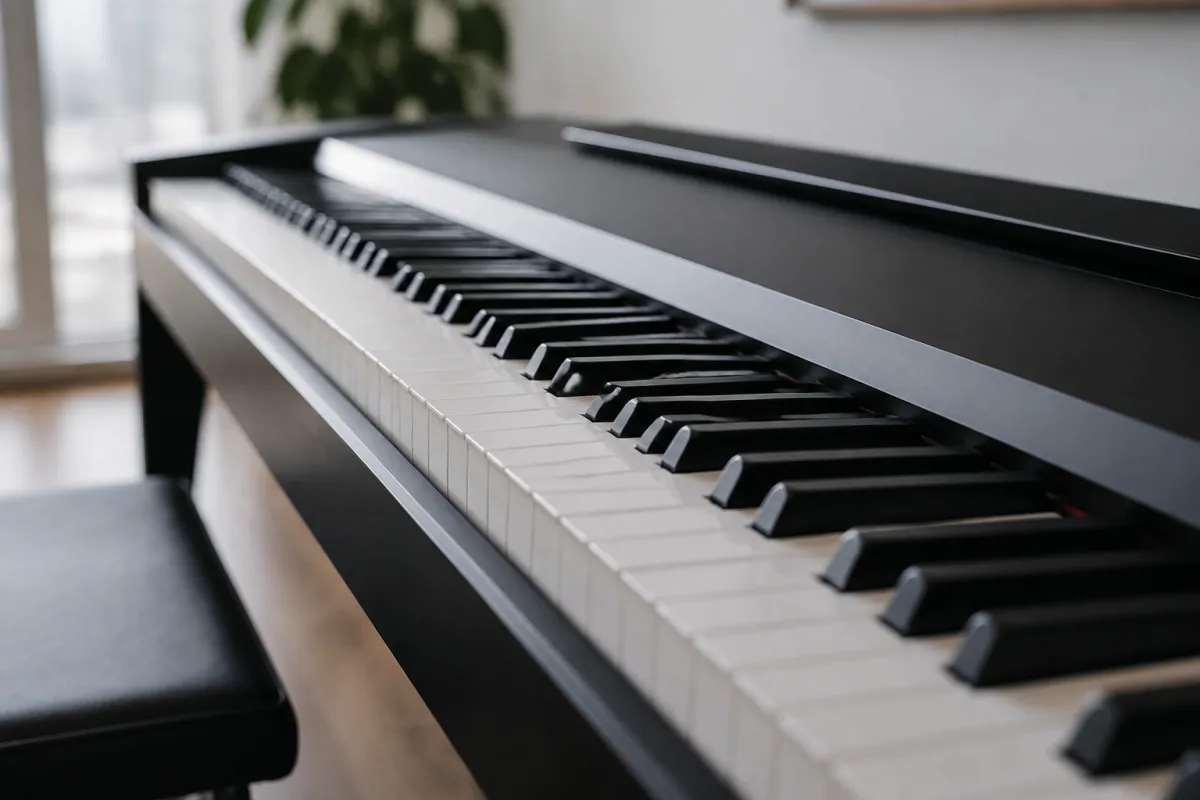
A Yamaha weighted keyboard combines authentic piano touch with modern digital capability. If you're learning piano or composing at home, a Yamaha weighted keyboard lets you practice with realistic hammer action whilst enjoying the convenience and affordability of a keyboard. We'll explore what makes Yamaha weighted keyboards special, how they compare to alternatives, and how to find the right model for your needs.
What is a Yamaha Weighted Keyboard?
A Yamaha weighted keyboard is an electronic instrument with keys that mimic the weight and resistance of an acoustic piano. Unlike lightweight, spring-loaded keyboards, a Yamaha weighted keyboard has hammer action—springs beneath each key that press down when released, simulating the feel of piano hammers striking strings. This matters because real piano technique requires pressing and releasing with finesse; a Yamaha weighted keyboard builds that muscle memory correctly.
Yamaha, a legendary manufacturer of acoustic pianos, has translated decades of piano engineering into weighted keyboards across many price points. Whether you're a beginner or advanced player, there's a Yamaha weighted keyboard model suited to your space and budget.
Why Choose a Yamaha Weighted Keyboard Over a Regular Keyboard?
Authentic Touch for Piano Learners
A traditional keyboard with unweighted keys teaches poor technique. Your hands learn to tap lightly rather than use proper finger strength and weight. A Yamaha weighted keyboard forces you to use correct technique from day one. If you ever move to an acoustic piano, the transition feels natural because your hands already know the touch.
Portability and Space Savings
A Yamaha weighted keyboard occupies far less space than an upright or grand piano, and weighs a fraction as much. You can move a Yamaha weighted keyboard between rooms, take it to a lesson or friend's house, or pack it into a studio setup. An acoustic piano demands a dedicated spot and professional movers.
Sound and Connectivity
A Yamaha weighted keyboard includes sounds beyond piano—strings, organs, synths, electric pianos. You can record directly to a computer via USB or MIDI, edit recordings, layer sounds, and experiment creatively. An acoustic piano offers only one sound and no recording capability.
Affordability
A Yamaha weighted keyboard costs £300–£2,500 depending on features. A decent acoustic piano starts at £3,000–£5,000 and demands tuning, maintenance and climate control. For most home players, a Yamaha weighted keyboard delivers exceptional value.
Types of Yamaha Weighted Keyboard Models
Entry-Level Yamaha Weighted Keyboards (61 or 76 keys)
Models like the Yamaha P-125 or P-225 offer essential features for learners: hammer action, quality sounds, USB recording, and compact size. A 61-key or 76-key Yamaha weighted keyboard is perfect if you're just starting or playing at home casually. The lighter weight (under 30 kg) makes setup straightforward.
Mid-Range Yamaha Weighted Keyboards (88 keys)
Full-size 88-key Yamaha weighted keyboards—such as the P-515 or DGX-870—offer the complete piano range, advanced sound engines, MIDI recording, and higher-quality amplification. An 88-key Yamaha weighted keyboard is the industry standard for serious students and gigging musicians. Most cost £800–£1,800.
Professional/Stage Yamaha Weighted Keyboards
High-end Yamaha weighted keyboards like the CP series deliver concert-grade piano samples, extensive control options, and robust construction. These are chosen by recording studios and touring musicians. Expect to spend £2,000+ on a professional Yamaha weighted keyboard.
Key Features to Compare
| Feature | Why It Matters | Entry Level | Mid-Range | Professional |
|---|---|---|---|---|
| Hammer Action Type | Authenticity of piano touch | Basic weighted | GrandTouch with escapement | CFX / Bösendorfer sampling |
| Number of Keys | Range for playing full piano music | 61 or 76 | 88 | 88 |
| Sound Engine | Quality and variety of tones | Standard General MIDI | Premium multi-layer sampling | Concert-grade samples |
| Polyphony | Maximum simultaneous notes | 64 | 192–256 | 256+ |
| Connectivity | USB recording, DAW integration | USB MIDI only | USB audio + MIDI | Full audio/MIDI/networking |
Yamaha Weighted Keyboard Models at a Glance
The P-series (Piaggero) is Yamaha's consumer line—affordable, portable, and reliable. Widely used in home studios and practice rooms. The DGX-series adds automatic accompaniment and entertainment features, suited to hobbyists and performers. The CP-series are stage pianos with premium sampling, for professionals who need concert sound on demand.
A Yamaha weighted keyboard in the P-series typically starts at £300–£400 for a 61-key entry model, rising to £1,200+ for an 88-key mid-range. A DGX-series Yamaha weighted keyboard adds about £200–£400 to the price for backing rhythms and extra sounds. The CP-series, Yamaha's flagship, ranges from £1,600–£3,500+ and is rarely chosen unless professional gigging is involved.
Choosing the Right Yamaha Weighted Keyboard for You
Ask yourself: (1) Am I learning piano seriously, or playing casually at home? (2) Do I have space for an 88-key keyboard, or do I need 61/76 keys? (3) Will I record to a computer or perform live? (4) What's my realistic budget? A student learning from a teacher should invest in an 88-key Yamaha weighted keyboard—usually a P-series—to ensure full repertoire access and proper technique. A casual hobbyist might choose a 61-key or 76-key Yamaha weighted keyboard to save space and money. A gigging musician needs professional Yamaha weighted keyboard specs (CP-series or equivalent).
Conclusion
A Yamaha weighted keyboard is an excellent gateway to piano playing. It offers authentic hammer action that builds proper technique, a compact footprint, affordability, and modern features like USB recording. Whether you choose an entry-level Yamaha weighted keyboard for under £400 or invest in an 88-key mid-range model, you're getting a respected brand with decades of piano expertise behind it. The key is matching the model to your learning goals and space. Start with the P-series if budget matters; upgrade to the DGX or CP line as your skills and ambitions grow.


Comments