
Yamaha Portable Digital Keyboard article
The Complete Guide to Yamaha Portable Digital Keyboard
Discover Yamaha portable digital keyboards—affordable instruments for beginners to intermediate players. Learn about models, features, and selection criteria.
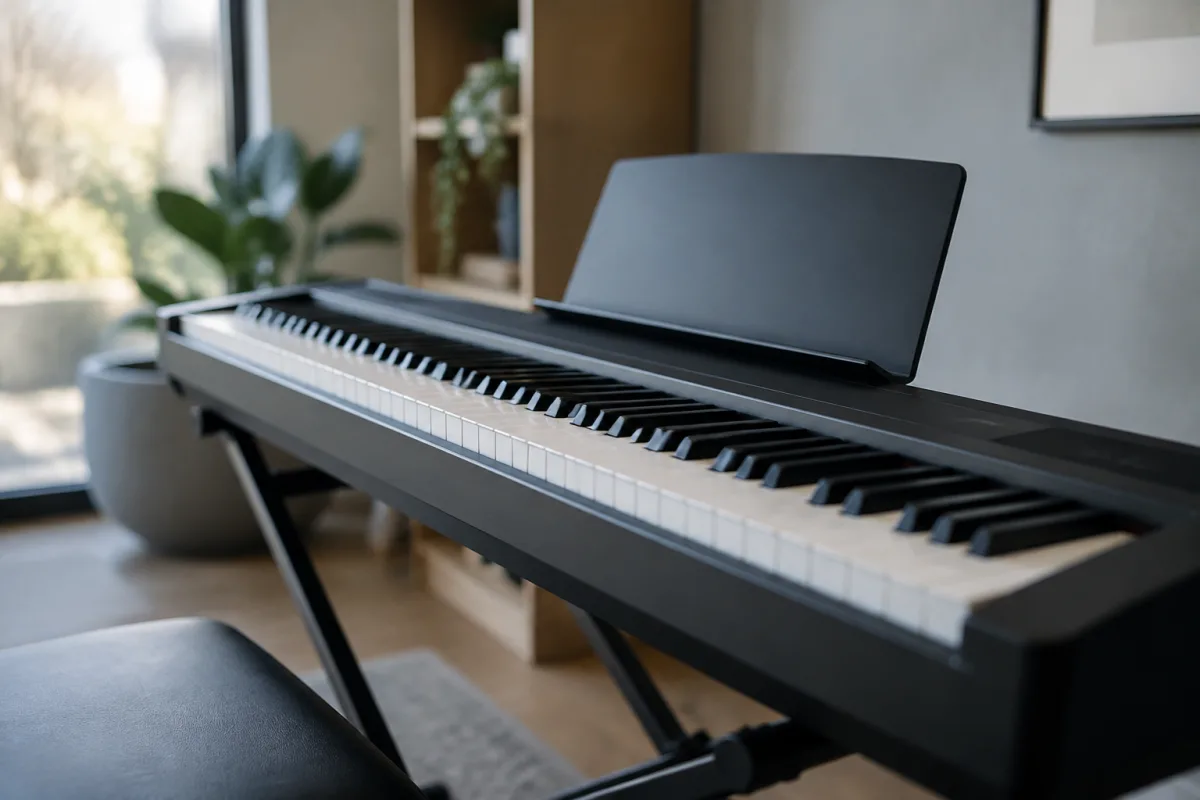
Yamaha portable digital keyboards represent exceptional value in contemporary music education and performance, offering quality features in lightweight, affordable packages. These instruments dominate the entry-level market, providing options suitable for beginners through intermediate musicians exploring keyboard performance. Quality portable keyboards balance authentic sound quality, responsive touch, and practical portability, making them ideal choices for home practice, travelling musicians, and classroom use. Understanding available options, specifications, and capabilities enables informed selection matching your musical goals, skill level, and budget requirements.
Yamaha's Keyboard Range
Yamaha portable digital keyboard models span diverse price points and feature sets. Entry-level instruments (£150-300) provide quality sounds and recording capabilities ideal for learners. Mid-range options (£300-800) add weighted keys, expanded sound libraries, and advanced features like sequencers. Premium portable models exceed £800, offering grand piano technology and professional features.
The ubiquity of these instruments reflects their consistent quality and reliability. PSR series keyboards dominate entry-level markets, offering surprising sound quality and performance capabilities. Their popularity ensures widespread availability of accessories, replacement parts, and community support throughout the world.
Key Features of Digital Keyboards
Sound quality distinguishes quality instruments from budget alternatives. Yamaha's CFX virtual piano engine recreates grand piano sounds with remarkable authenticity. Comprehensive sound libraries provide hundreds of instrument voices, enabling exploration across musical genres. Drum patterns and rhythm accompaniment features enable musicians to practise with backing rhythms, enhancing practice effectiveness significantly.
Touch and action represent crucial considerations when selecting yamaha portable digital keyboard models. Entry-level unweighted keys suit melody and chord-based playing but lack authentic piano feel. Mid-range models incorporate graded hammer action, replicating acoustic piano touch progression—heavier resistance in lower notes, lighter in higher notes. Premium weighted keyboards approach acoustic piano response authenticity for advanced players.
Practical Advantages of Portable Design
Portability defines keyboard appeal and market success. Lightweight, compact instruments enable practice at home, transport to lessons, and travel without the weight and bulk of acoustic pianos. Affordable pricing removes financial barriers preventing many musicians from purchasing quality instruments. A portable digital keyboard costs fractions of acoustic piano prices whilst providing remarkable sound quality and versatility.
Connectivity features enable modern musical creation. USB connections allow instruments to interact with computers and music production software. MIDI functionality enables external sound module control, expanding sonic possibilities dramatically. These features democratise music production, enabling bedroom producers to create professional recordings independently.
Recording and Performance Capabilities
Built-in recording features enable musicians to capture performances, review playing, and identify improvement opportunities. Multi-track recording allows layering different parts—recording bass lines, chord progressions, and melodies separately then combining into complete arrangements. These features provide valuable practice tools without requiring expensive external recording equipment or studios.
Performance features transform instruments into complete music-making platforms. Arpeggiators generate patterns from played notes, enabling expressive playing without extensive technique mastery. Chord recognition features transcribe chord changes from playing, supporting arrangement and composition work significantly. These technologies make quality instruments accessible to musicians at all skill levels.
Maintenance and Long-term Value
Digital keyboards require minimal maintenance. No tuning, regulation, or hammer replacement needed. Simple occasional dusting and careful handling preserve instrument condition effectively. The reliability of modern instruments ensures years of faithful musical service with minimal technical issues or repairs.
Resale value of portable keyboards remains relatively strong due to consistent demand and brand reputation. Musicians upgrading to superior instruments often find quality resale markets, recovering reasonable percentages of original investment. This resale potential provides attractive long-term value compared to disposable consumer electronics that depreciate rapidly.
Conclusion
Yamaha portable digital keyboard offerings provide exceptional pathways into keyboard performance and music education. Whether beginning formal study, practising between lessons, or creating music for personal enjoyment, selecting appropriate instruments enables confident musical exploration and development. The combination of authentic sounds, responsive action, portability, and affordability explains why these keyboards remain industry standards for beginners and intermediate musicians worldwide.


Comments