
Starter Keyboard Piano article
The Complete Guide to Starter Keyboard Piano
A starter keyboard piano offers an accessible entry point into keyboard playing, combining essential features for beginners without the cost of a full acoustic piano.
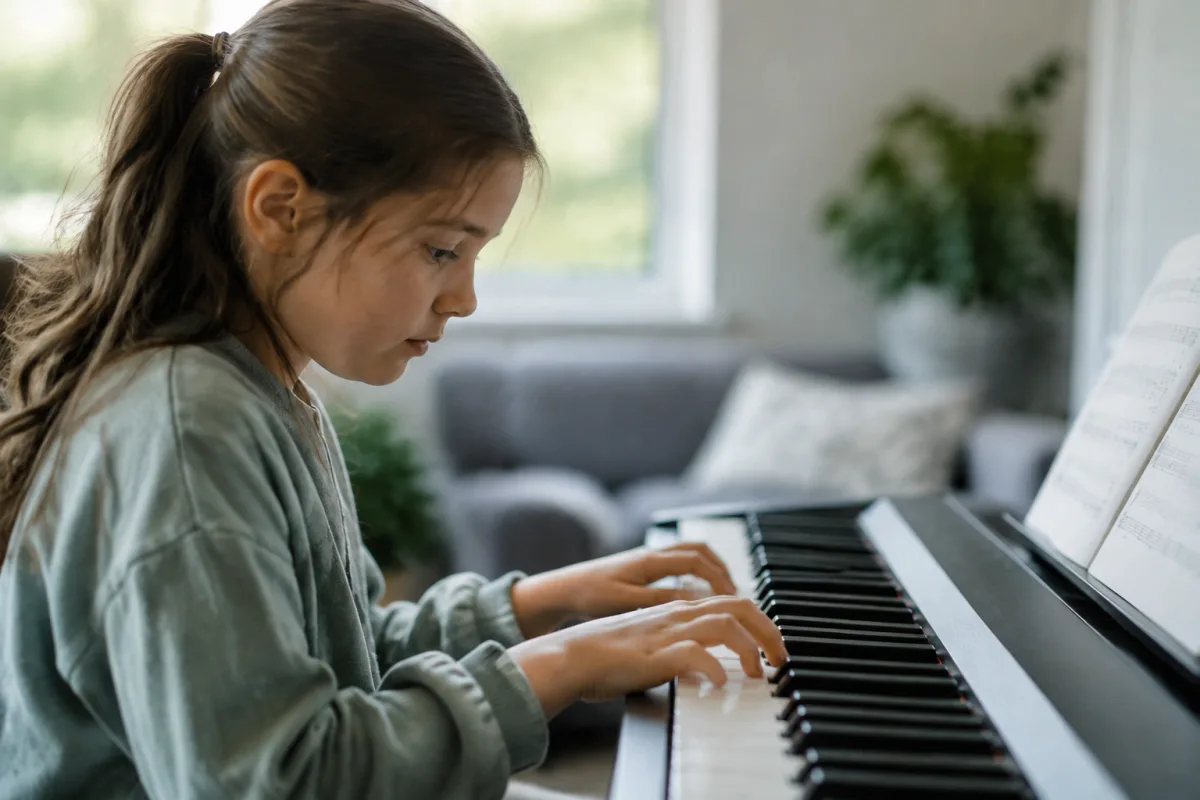
A starter keyboard piano offers an accessible entry point into keyboard playing, combining the essential features beginners need without the complexity or cost of a full-size instrument. Whether you're looking to explore music production, learn classical piano, or simply discover if keyboard is right for you, a starter keyboard piano can provide everything required to get started.
What is a Starter Keyboard Piano?
A starter keyboard piano is a beginner-friendly electronic instrument that combines the functionality of a piano with the portability and affordability of a keyboard. Unlike acoustic pianos, which require significant space and investment, a starter keyboard piano is compact, lightweight, and considerably less expensive. These instruments typically feature 61 keys (compared to a full 88-key piano), built-in sounds ranging from realistic piano tones to strings, brass, and drum kits, and often include useful learning features like built-in drum machines and pre-programmed songs.
The primary appeal of a starter keyboard piano lies in its low barrier to entry. You can begin learning immediately without the commitment of a grand piano or upright piano, making it ideal for someone testing whether they want to pursue keyboard playing seriously.
Essential Features to Look for in a Starter Keyboard Piano
When choosing a starter keyboard piano, several key features should influence your decision:
- Number of Keys: 61 keys are sufficient for most beginners learning standard piano technique and melodies. Full-size 88-key keyboards are heavier and more expensive but offer the complete piano experience if you plan to progress to advanced classical pieces.
- Touch and Feel: Look for weighted or semi-weighted keys that simulate piano hammer action. Lighter, unweighted keys are easier to play but provide less realistic piano practice. Many affordable starter models feature synth-action (springy) keys, which are fine for learning fundamentals.
- Sound Quality: A good starter keyboard piano should include realistic piano sounds, ideally several voices (different instrument tones). The sound engine's polyphony (number of notes playable simultaneously) matters—aim for at least 64 voices.
- Built-in Sounds and Effects: Beyond piano tones, useful sounds include strings, electric piano, organ, and bass. Some models include rhythm sections or drum machines to make practice more engaging.
- Learning Features: Look for built-in lessons, pre-programmed songs, metronome, and recording functions. These features help beginners develop timing and can keep practice sessions engaging.
- Connectivity: USB or MIDI connectivity allows you to connect to computers or tablets for music production, learning apps, or recording software.
- Power Options: Battery or mains power flexibility means you can practise anywhere. A built-in speaker is essential for hearing your playing without headphones.
Price Range and Budget Considerations
Starter keyboard pianos are available across a wide price range. Budget models (under £100) offer basic piano sounds and few features but work for exploring the instrument. Mid-range options (£100–£300) provide better build quality, more realistic sounds, and useful learning features. Premium starter models (£300–£600) feature semi-weighted keys, superior sound engines, and robust construction that will handle serious practise over years.
The general rule: invest what you're willing to spend if you discover keyboard isn't for you. A modest starter keyboard piano costing £150–£250 often provides the best value for genuine beginners uncertain about their commitment.
Types of Starter Keyboard Pianos
Different models cater to different learning goals:
| Type | Best For | Key Features |
|---|---|---|
| Portable Synth-Action Keyboard | Music production, pop, contemporary styles | Lightweight, responsive, budget-friendly, many sounds |
| Weighted Action Beginner Keyboard | Classical piano students, serious learners | Realistic touch, piano-focused sounds, often with lessons |
| Portable Piano with Sustain | Performers, songwriters, gigging musicians | Compact, full piano voice, expression pedal support |
| Digital Piano Beginner Model | Piano purists transitioning from acoustic | Hammer-weighted keys, pedal support, minimal sounds |
Setting Up Your Starter Keyboard Piano
Once you've chosen your starter keyboard piano, proper setup ensures you get the best learning experience. Position the instrument at a comfortable height—your elbows should bend at roughly 90 degrees whilst playing. If it's portable, consider a stand that brings it to an appropriate playing height. Ensure adequate space for sheet music, and if using an expression pedal, position it comfortably underfoot.
Connect headphones if playing in a shared space, or use the built-in speaker for full acoustic feedback. Connect to a computer or tablet using USB or MIDI to access learning apps and recording software. Familiarise yourself with the control panel—locate the volume, octave shift buttons, and sound selection to make early practise sessions straightforward.
Learning with a Starter Keyboard Piano
A starter keyboard piano works best when paired with structured learning. Many models include basic built-in lessons or demo songs; use these to understand the keyboard layout and hand position. Consider supplementing built-in learning with online tutorials, apps like Synthesia or Simply Piano, or traditional lessons with a teacher. These resources teach proper technique, which saves countless hours of frustration later.
Focus on fundamentals: comfortable hand position, understanding note names across the keyboard, learning to read music (or understanding rhythm patterns in your chosen style), and building finger strength and independence. These skills transfer directly if you progress to a full-size piano or more advanced keyboards later.
Common Mistakes Beginners Make
Understanding common pitfalls helps you avoid them:
- Buying Too Cheap: The cheapest starter keyboard pianos may feel flimsy, have poor sounds, or break quickly, discouraging continued learning. Spending a modest amount ensures durability and enjoyment.
- Neglecting Proper Touch: Practising on unweighted keys without guidance can build poor finger technique that's hard to unlearn when progressing to weighted instruments.
- Ignoring Learning Structure: Casual noodling is fun but won't develop real ability. Combine self-directed play with structured lessons or learning apps.
- Poor Posture and Setup: Slouching or playing at the wrong height creates tension and limits progress. Invest in a proper keyboard stand and chair.
- Giving Up Too Quickly: Early stages feel clumsy—this is normal. Progress accelerates after a few weeks of consistent practise.
Progressing Beyond Your Starter Keyboard Piano
If you fall in love with keyboard playing, your starter instrument won't last forever. Many players eventually upgrade to a full 88-key weighted keyboard or a dedicated digital piano with superior piano sounds and hammer-action keys. Others pursue music production and invest in MIDI controllers and recording equipment. Some transition to acoustic piano entirely.
A good starter keyboard piano isn't wasted money—it answered the essential question: do you enjoy playing? For a cost of £150–£300, that answer is worth every penny. You'll also retain a capable instrument for travelling, secondary studio use, or lending to friends exploring music.
Conclusion
Choosing the right starter keyboard piano removes barriers to learning and allows you to discover your relationship with keyboard music. By prioritising touch quality, sound variety, and learning features within your budget, you'll find an instrument that makes practise enjoyable and progress clear. Begin with solid fundamentals, be patient with yourself, and remember that every accomplished keyboard player started exactly where you are. Your starter keyboard piano is the beginning of a rewarding musical journey.


Comments