
Piano Keyboard on Stand article
The Complete Guide to Piano Keyboard On Stand
Discover how to properly position and support your keyboard using a dedicated stand. Learn about stand types, height setup, weight capacity and professional placement.
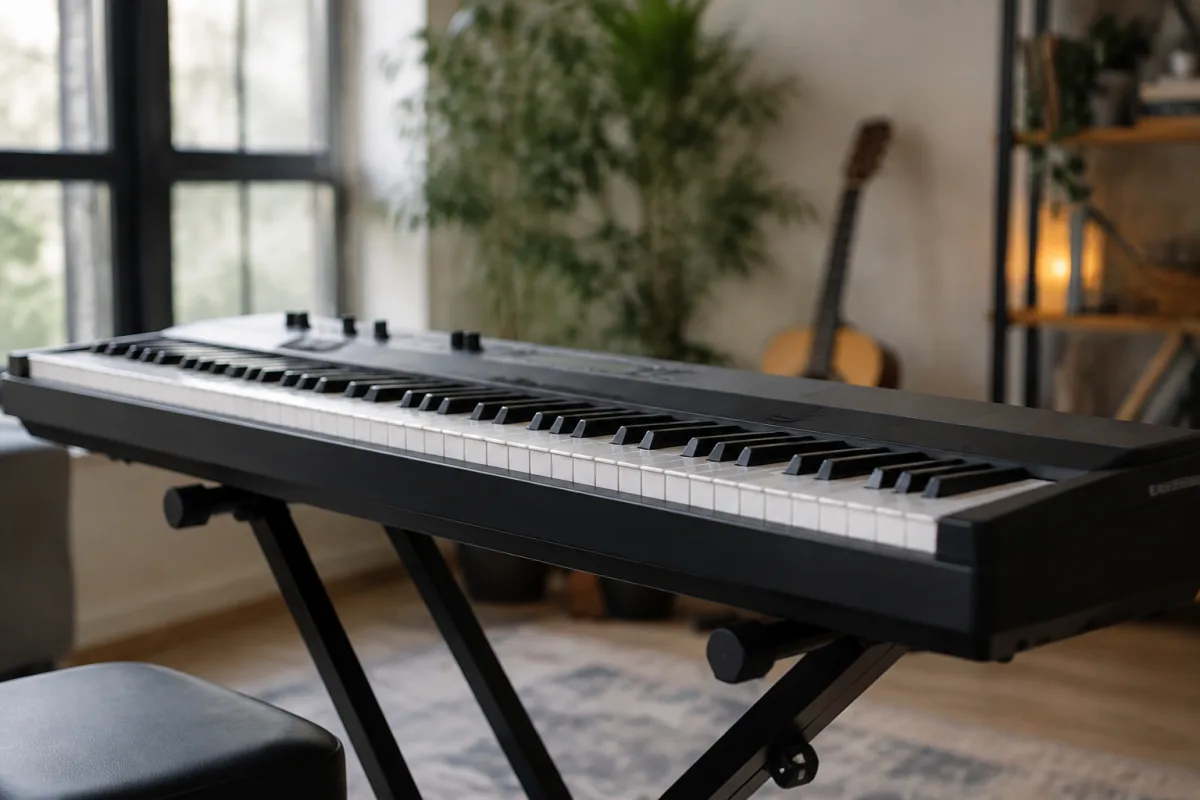
A piano keyboard positioned on a dedicated stand offers musicians flexibility that traditional furniture lacks. Whether you're a home enthusiast, gigging professional, or learning student, understanding how to select and use a stand properly transforms your playing experience and instrument care.
Why Use a Stand for Your Instrument?
Placing a piano keyboard on a stand provides ergonomic benefits that tabletop setups cannot match. Proper height alignment allows your wrists, arms and shoulders to maintain neutral positions during practice and performance. This positioning reduces strain, improves technique development, and makes longer sessions more comfortable.
A stand also elevates the instrument to optimal levels for audience visibility during performances. Venue setup becomes significantly simpler when your portable keyboard sits on professional-grade support rather than requiring custom tables.
Types of Stands Available
The most common option is the X-frame stand, which folds compactly and supports keyboards weighing up to 50 kilograms. These portable designs suit touring musicians perfectly. They adjust to comfortable playing heights and typically cost between £30–£100.
Heavy-duty five-legged stands provide maximum stability for weighted keyboards and professional use. These substantial pieces cost more (£150–£400) but deliver superior build quality and support for premium instruments. Their wider footprints prevent tipping during vigorous playing.
- X-frame stands: lightweight, portable, affordable
- Z-frame stands: compact alternative with adequate stability
- Five-legged stands: professional-grade, maximum weight capacity
- Double stands: support two instruments simultaneously
- Adjustable stands: allow fine height tuning for perfect ergonomics
Proper Setup and Height Considerations
The ideal height places the keyboard's surface at approximately elbow level when you sit naturally. Your wrists should maintain a slight downward angle toward the keys, preventing injury and enabling optimal technique.
Test different heights before purchase if possible. A keyboard positioned too high causes shoulder tension; one too low encourages hunching and poor posture. Adjustable stands solve this problem by letting you dial in perfect positioning for your body proportions.
Compatibility and Weight Capacity
Before selecting a stand, verify your instrument's weight and dimensions. Entry-level keyboards typically weigh 4–6 kilograms and present no challenge for any stand. Professional 88-key weighted keyboards can exceed 30 kilograms, requiring sturdy five-legged designs specifically.
Width compatibility matters equally. Your keyboard's width must not exceed the stand's support points. Narrower keyboards sometimes slide sideways on overly wide stands. Most manufacturers provide weight and size specifications—consult these before committing.
| Stand Type | Weight Capacity | Price Range | Best For |
|---|---|---|---|
| X-Frame Stand | Up to 50 kg | £30–£100 | Home use, touring, budgets |
| Z-Frame Stand | Up to 30 kg | £40–£120 | Compact spaces, portable setups |
| Heavy-Duty Stand | Up to 60 kg | £150–£400 | Professional use, weighted keyboards |
| Double Stand | Up to 100 kg total | £200–£600 | Two keyboards, layered performances |
Material Quality and Durability
Quality stands use aluminium or steel construction for optimal strength-to-weight ratios. Cheap plastic or thin metal stands often wobble and create unwanted vibrations during playing. These vibrations transfer through the keyboard, affecting sound quality and creating frustrating feedback.
Welded joints prove more reliable than bolted construction, though quality bolts work acceptably if properly tightened. Check reviews for feedback about build quality and long-term durability before purchasing.
Portable vs. Permanent Solutions
Home users who keep their instrument in one location might prefer sturdy furniture-style stands that provide permanent placement. These substantial bases offer excellent stability and integrate better with room aesthetics.
Touring musicians need lightweight, quick-setup solutions. Folding stands that weigh under 5 kilograms and pack into gig bags prove invaluable for frequent venue changes. The portability sacrifice pays dividends during constant travel.
Cable Management and Accessories
Quality stands often include cable clips and management solutions that route power and audio cables neatly. This organisation prevents trip hazards, protects cables from damage, and maintains professional appearance during performances.
Some stands feature secondary keyboard shelves or tablet holders for displaying sheet music. These practical additions enhance functionality without significantly increasing cost or weight.
Setting Up in Different Environments
Stage setup requires stands with locking leg mechanisms to prevent collapse during performance. Check that all fasteners tighten securely before playing at venues. Home studios benefit from more flexible positioning, allowing experimentation with different heights and angles.
Practice spaces should accommodate both sitting and standing height options. Having adjustable equipment lets you develop technique from multiple playing positions and prevents postural strain.
Maintenance and Care
Occasionally inspect stand welds and bolts for signs of loosening. Tighten hardware as needed to maintain stability. Store stands in dry conditions to prevent rust on exposed metal surfaces. Protective bags help during storage and transport, extending equipment lifespan considerably.
Conclusion: Choosing Your Ideal Setup
Selecting the right stand fundamentally affects your playing comfort and instrument longevity. Assess your primary use (touring versus home), instrument weight, and budget constraints. Investing in quality support ensures years of reliable, comfortable keyboard playing.



Comments