


Pedal Keyboard article
Pedal Keyboard for Beginners: A Complete Guide
Pedal keyboard seems intimidating, but feet can learn musical coordination as effectively as hands. This guide gets you playing confidently without years of training.
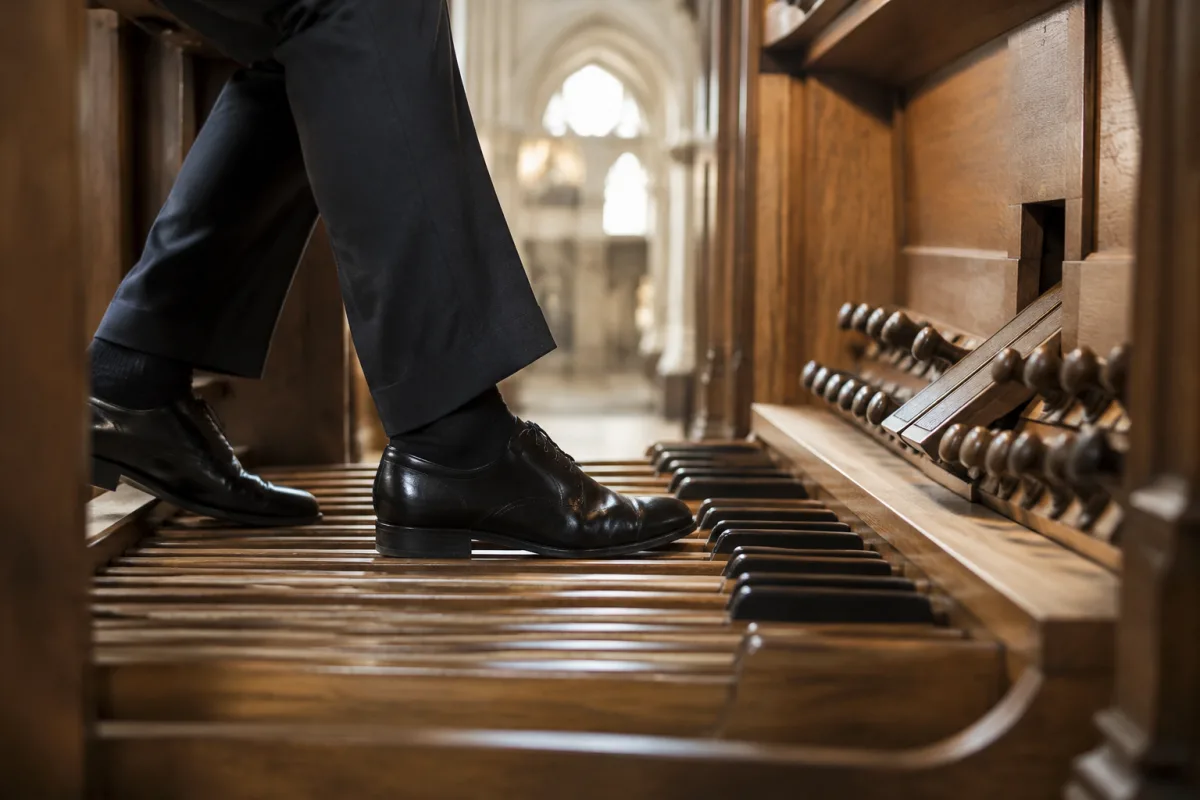
A pedal keyboard might seem impossibly complex if you're encountering one for the first time—imagine playing a musical instrument with your feet like you'd play a car's pedals. The encouraging truth: pedal keyboard is surprisingly approachable once you understand the basics and accept that your feet can learn coordination as effectively as your hands. If you're curious about pedal keyboard—whether through musical interest, classical training pathways, or sheer technological fascination—this beginner's guide removes the intimidation and helps you discover whether pedal keyboard deserves a place in your musical journey.
What a Pedal Keyboard Actually Is
Picture a musical keyboard lying horizontally on the floor, played using your feet instead of your hands. That's the fundamental concept of a pedal keyboard. Traditional pedal keyboards used in church organ contexts feature wooden keys arranged in chromatic or diatonic patterns, operated through foot pressure and release. Modern electronic pedal keyboards translate foot movements into digital musical information, producing sounds determined by connected synthesisers or keyboards above.
The appeal of pedal keyboard becomes clear when you understand its primary advantage: your hands remain completely free to play other instruments or manage conducting duties. Organists have used pedal keyboards for centuries to provide bass lines and harmonic foundation whilst hands manage melody and accompaniment. Modern musicians occasionally explore pedal keyboard for creating layered compositions where hands manage multiple keyboard sections whilst feet add independent bass parts.
Why Most Beginners Never Encounter Pedal Keyboard
Understanding this context prevents beginner confusion: pedal keyboard isn't a universal learning pathway. It's a specialised instrument serving specific musical contexts—primarily classical organ performance and some electronic music applications. Most keyboard players complete decades of musical development without ever encountering a pedal keyboard. This specialisation means discovering pedal keyboard represents genuine musical choice rather than inevitable progression.
If you're not pursuing classical organ training or specifically exploring experimental electronic music with pedal-based elements, pedal keyboard remains entirely optional. There's nothing deficient about a complete keyboard musical career without pedal keyboard involvement. Recognising pedal keyboard as specialised tool rather than fundamental skill prevents unnecessary pressure.
Getting Started: The Physical Reality of Pedal Keyboard
Your first realistic assessment of pedal keyboard should address physical considerations honestly. Playing a pedal keyboard requires developing independent foot coordination—essentially, learning to play two independent melodies simultaneously with your feet. This coordination develops but requires genuine practice commitment.
Beginners often discover that pedal keyboard coordination improves dramatically after two-three weeks of regular practice. Your feet possess surprising capability—drummers use foot coordination routinely, and pedal keyboard follows similar principles. The initial awkwardness transforms into comfortable control through deliberate practice.
Physical comfort matters significantly for pedal keyboard practice. Appropriate seating height and distance from the pedal keyboard critically affect your learning experience. Poor positioning causes fatigue and discouragement. Proper setup makes extended practice sessions genuinely comfortable.
Your First Pedal Keyboard Experience: Practical Steps
If you're genuinely curious about pedal keyboard, your initial exploration should follow this straightforward approach:
- Find access to a pedal keyboard: Schools, churches, and some music studios maintain pedal keyboards for student exploration. Request brief trial access before considering purchase.
- Adjust seating and positioning: Sit at comfortable height with your feet flat on the pedal keyboard keys. Your knees should maintain slight bend. Uncomfortable positioning undermines your entire first experience.
- Start with simple footwork: Practice basic scales using single fingers (your big toe) walking up and down the keyboard. This elementary foundation teaches key location and basic pedal keyboard response.
- Explore independent coordination: Once basic movement feels natural, practice patterns where each foot plays different notes. Start slowly—speed develops naturally.
- Listen carefully to tone: Many pedal keyboards produce deep, resonant bass tones. Pay attention to how your foot pressure affects tone quality and note articulation.
Why Pedal Keyboard Feels Awkward Initially (And Why That's Normal)
Most beginners find pedal keyboard remarkably awkward for the first few sessions. Your feet aren't accustomed to fine motor control and precision required for musical performance. This awkwardness doesn't suggest you lack coordination—it reflects that your feet possess different coordination patterns than your hands.
The encouraging reality: this awkwardness transforms rapidly through consistent practice. Within two weeks of regular pedal keyboard engagement, the coordination feels substantially more comfortable. Within a month, genuinely musical pedal keyboard playing becomes possible. Your learning curve accelerates dramatically once your brain accepts that feet can execute musical precision comparable to hand-based playing.
Common Beginner Misconceptions About Pedal Keyboard
New learners frequently misunderstand these realities about pedal keyboard:
- "Pedal keyboard is only for classical organists." Whilst pedal keyboard originated in classical contexts, modern musicians explore it for experimental music, electronic compositions, and expanding performance capabilities. Classical expertise isn't required.
- "I need hand coordination mastery before attempting pedal keyboard." False. Pedal keyboard coordination develops independently. Complete beginners can learn pedal keyboard without prior musical experience, though musical literacy helps.
- "Pedal keyboard requires special genetic coordination." False. Any person with normal foot function can develop pedal keyboard proficiency through practice. No special gifts are required.
- "Pedal keyboard takes years to reach competence." False. Functional pedal keyboard playing becomes possible within weeks of consistent practice. Performance-level mastery takes longer, but basic capability develops quickly.
Physical Conditioning for Pedal Keyboard Learning
Your feet and legs possess specific endurance capabilities. Extended pedal keyboard practice can cause leg fatigue that hand-based keyboard practice never triggers. This isn't a problem—it's simply different physical demand that conditions through gradual exposure.
Start with brief pedal keyboard practice sessions (10-15 minutes). Gradually extend duration as your feet develop endurance. After four weeks of consistent practice, extended sessions (30-45 minutes) feel comfortable. This gradual progression prevents discouragement through premature physical fatigue.
Choosing Your First Pedal Keyboard (If You Pursue It)
If you decide pedal keyboard genuinely serves your musical interests, several options exist for acquiring an instrument:
- School or institutional access: Most music schools maintain practice pedal keyboards for student use. This option lets you explore extensively without purchase commitment.
- Portable electronic pedal keyboards: Modern electronic pedal keyboards (£300-800) connect to synthesisers or keyboards, providing affordable exploration. These portable options suit experimental musicians.
- Church or concert hall access: Professional pipe organs and sophisticated electronic organs feature substantial pedal keyboards. Trial access in these contexts reveals whether serious pedal keyboard pursuit appeals to you.
- Used pedal keyboards: Secondary markets occasionally offer used electronic pedal keyboards at reduced cost. Thorough evaluation assures functionality before purchasing.
Deciding Whether Pedal Keyboard Suits Your Musical Path
After several weeks of pedal keyboard exploration, you'll possess clear understanding of whether it serves your musical direction. Most musicians discovering genuine satisfaction with pedal keyboard pursue it enthusiastically. Those finding pedal keyboard interesting but not transformative leave it without regret—no musical obligation requires pedal keyboard engagement.
Your pedal keyboard decision should reflect authentic musical interests rather than novelty or obligation. The best indicator: do you find yourself actually practising pedal keyboard, or does it feel like a chore? Genuine enthusiasm drives learning progress. Forced engagement produces frustration without reward.
The Realistic Timeline for Pedal Keyboard Competence
If you commit to regular pedal keyboard practice, realistic milestones emerge:
- Week 1: Basic key location and comfortable foot placement. Simple scales feel awkward but playable.
- Week 2-3: Improved coordination. Single-voice musical lines become genuinely expressive.
- Week 4-6: Comfortable independent coordination. Simple duets between hands and feet feel achievable.
- Month 3+: Musical independence. You can comfortably perform pieces combining hand-based and pedal keyboard parts.
These timelines assume consistent practice (20-30 minutes daily). Irregular practice extends these milestones considerably.
Exploring Pedal Keyboard Deeper
For more comprehensive context about pedal keyboard history, modern applications, and technical specifications, our complete guide to pedal keyboard explores advanced topics after you've determined whether pedal keyboard suits your musical interests.
The Encouragement Every Pedal Keyboard Beginner Needs
Your initial awkwardness with pedal keyboard is completely normal. The instrument demands coordination patterns your feet haven't previously executed. This unfamiliarity isn't deficiency—it's simply novelty that consistent practice transforms into confidence. Thousands of musicians have successfully learned pedal keyboard starting from zero coordination. You can too, if genuine musical interest motivates your learning.


Comments