
Pedal for Piano Keyboard article
The Complete Guide to Pedal For Piano Keyboard
A pedal for piano keyboard transforms your playing from mechanical to expressive. Discover sustain pedal function, types available, and how to use them correctly.
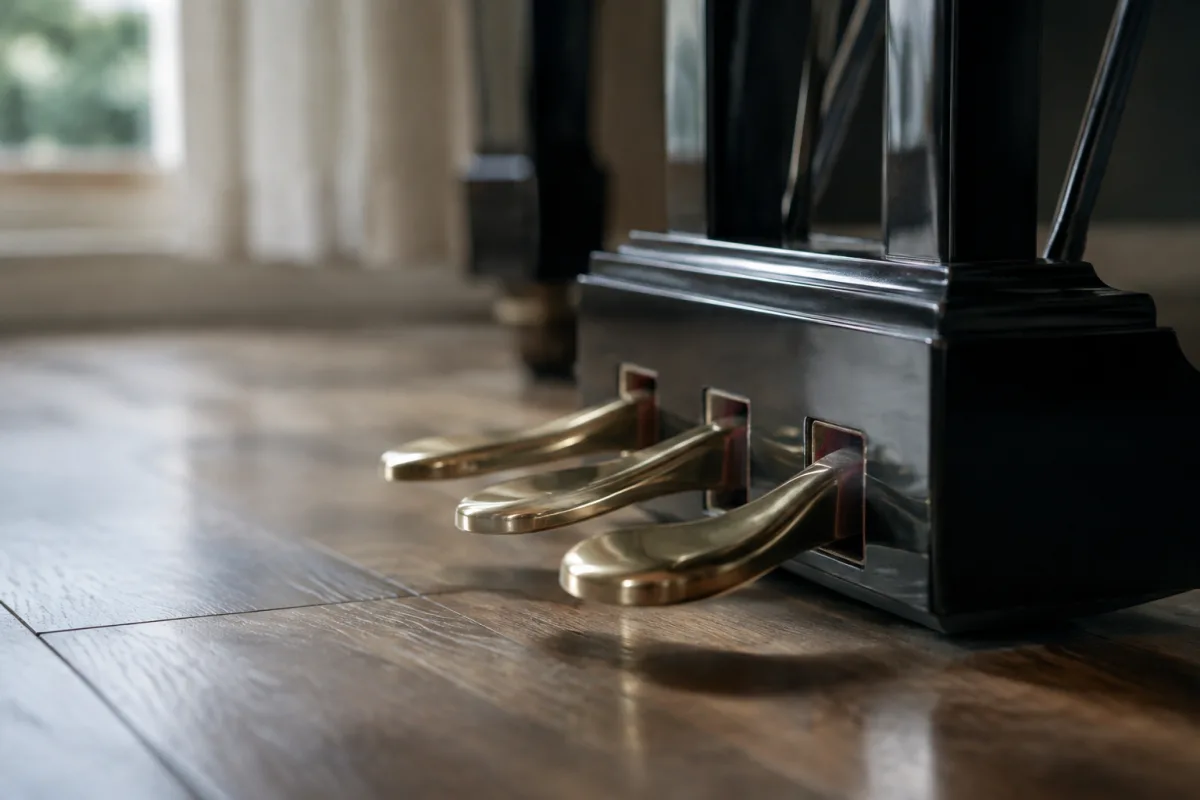
A pedal for piano keyboard is often overlooked by beginners, but understanding pedal use transforms your playing from mechanical note-hitting into true musical expression. Whether you're learning on a budget digital keyboard or playing a concert grand, knowing which pedals do what—and how to use them effectively—unlocks a world of nuance, sustain, and tonal colour unavailable through finger work alone.
The Three Piano Pedals: What They Do
Acoustic pianos traditionally have three pedals. The right pedal, called the sustain pedal or damper pedal, lifts the dampers away from the strings, letting them vibrate freely and sustain long after your fingers leave the keys. This creates the lush, resonant sound classic in romantic piano repertoire. The left pedal, the soft pedal or una corda, shifts the entire action sideways on a grand piano so hammers strike fewer strings (or, on an upright, brings hammers closer to strings), producing a softer, more intimate tone. The middle pedal, the sostenuto, sustains only the notes held when you engage it, leaving other notes to decay normally—a tool for selective sustain.
A pedal for piano keyboard on digital models typically mimics these three functions. Modern keyboards often include the sustain pedal as standard, with optional soft and middle pedal functionality via firmware or external controllers.
Understanding the Sustain Pedal
The sustain pedal for piano keyboard is the most essential of the three. On an acoustic piano, pressing the sustain pedal lifts the dampers, allowing strings to ring freely. A note played whilst the pedal is down continues to sound even after you release the key. More importantly, pressing the sustain pedal before playing a chord allows that entire chord to ring, creating a harmonic wash. This technique is fundamental to romantic piano, jazz, contemporary classical and many other genres.
A digital piano's sustain pedal works via MIDI or digital signal: pressing it sends a continuous sustain signal to the keyboard's sound engine, extending the note duration. The effect mimics the acoustic pedal's sustain extension. Some digital keyboards offer expression or continuous sustain control, allowing you to vary the sustain effect continuously rather than toggle it on and off.
Types of Pedals Available for Piano Keyboards
Most digital pianos and high-end keyboards accept a sustain pedal via a 1/4-inch jack input on the back of the unit. Standard piano pedals from brands like Yamaha, Korg and Roland plug directly in. Some models include the pedal in the box; others require separate purchase.
Budget sustain pedals are simple, robust switches; higher-end pedals offer half-pedal capability, meaning the sustain effect varies continuously as you press the pedal partially down—a feature acoustic pianists use extensively for nuanced control. Ultra-premium pedals even include escapement simulation, matching the escapement of an acoustic grand piano's action for maximum realism.
Expression pedals, a separate category, let you control volume or effects in real-time by varying how hard you press them. Some musicians use expression pedals instead of or alongside traditional piano pedals.
Choosing the Right Pedal for Your Piano Keyboard
| Type | Cost | Features | Best For |
|---|---|---|---|
| Basic Sustain Pedal | £20–£40 | Simple on/off; fixed impedance | Beginners; casual players; budget keyboards |
| Piano-Style Pedal | £40–£100 | Looks and feels like acoustic pedal; responsive; sturdy build | Serious learners; home studio; most intermediate players |
| Half-Pedal Enabled | £80–£150 | Continuous sustain variation; professional-grade build | Advanced pianists; recording; live performance |
| Three-Pedal Unit | £150–£300 | Sustain, soft, and sostenuto pedals; full piano control | Professional pianists; studio work; full-featured keyboards |
Technical Considerations When Buying a Pedal for Piano Keyboard
Check your keyboard's manual or rear panel for the pedal input type: most modern keyboards use a 1/4-inch (6.35mm) jack input for sustain, though some older or budget models might use proprietary connectors. Confirm impedance compatibility—most standard pedals are around 1 kΩ (1000 ohms), which suits nearly all keyboards, but it's worth verifying.
If your keyboard has MIDI input or USB connectivity, you may also use MIDI expression pedals or foot controllers, which offer additional flexibility for controlling effects, tempo, or other parameters beyond sustain. This is especially valuable in live performance or music production.
Proper Technique with a Piano Keyboard Pedal
Using the sustain pedal correctly requires practice. In classical training, the sustain pedal is pressed and released in sync with harmony changes: you press as a chord is played, hold whilst the harmony is active, and release just before the next chord to avoid harmonic muddy. In contemporary or jazz styles, pedal technique is often freer, and sustain is used for atmosphere and colour.
Half-pedal technique—gradually pressing the pedal rather than a binary on/off—allows for subtle sustain control. This is invaluable for controlling resonance and creating natural phrasing. Acoustic pianists develop this skill over years; digital piano learners benefit from half-pedal pedals that enable practice of this advanced control.
Maintenance and Durability
A pedal for piano keyboard is generally robust. The foot lever is usually made of metal or hardened plastic, and the electronic switch inside is durable. With normal use, a quality sustain pedal lasts many years. Avoid standing on the pedal or dropping the keyboard on it. If the pedal stops responding, check the cable connection and clean the jack—dust or corrosion sometimes causes intermittent contact. Replacement pedals are inexpensive (£20–£50 for standard models), so upgrading if yours wears out is affordable.
Do You Really Need a Pedal for Your Piano Keyboard?
Technically, no—you can play and learn keyboard without a pedal. However, the sustain pedal opens musical possibilities that finger technique alone cannot achieve. A piece written for acoustic piano is often composed with pedal use in mind; performing it without a pedal sounds truncated and lacks resonance. Serious piano learners absolutely need a sustain pedal. Even casual players benefit from having one for lush accompaniment styles, jazz, and contemporary piano.
Conclusion
A pedal for piano keyboard is a modest investment that yields enormous musical returns. Whether you're a beginner exploring the instrument or an accomplished pianist using a digital keyboard, a sustain pedal—or ideally a full three-pedal unit—transforms your playing. Start with a quality piano-style pedal, master sustain control, and explore half-pedal techniques as you advance. Your music will thank you.


Comments