
Organ Piano Keyboard article
The Complete Guide to Organ Piano Keyboard
An organ piano keyboard combines weighted piano keys with authentic organ tones and controls, offering versatile musicality for players interested in both instruments.
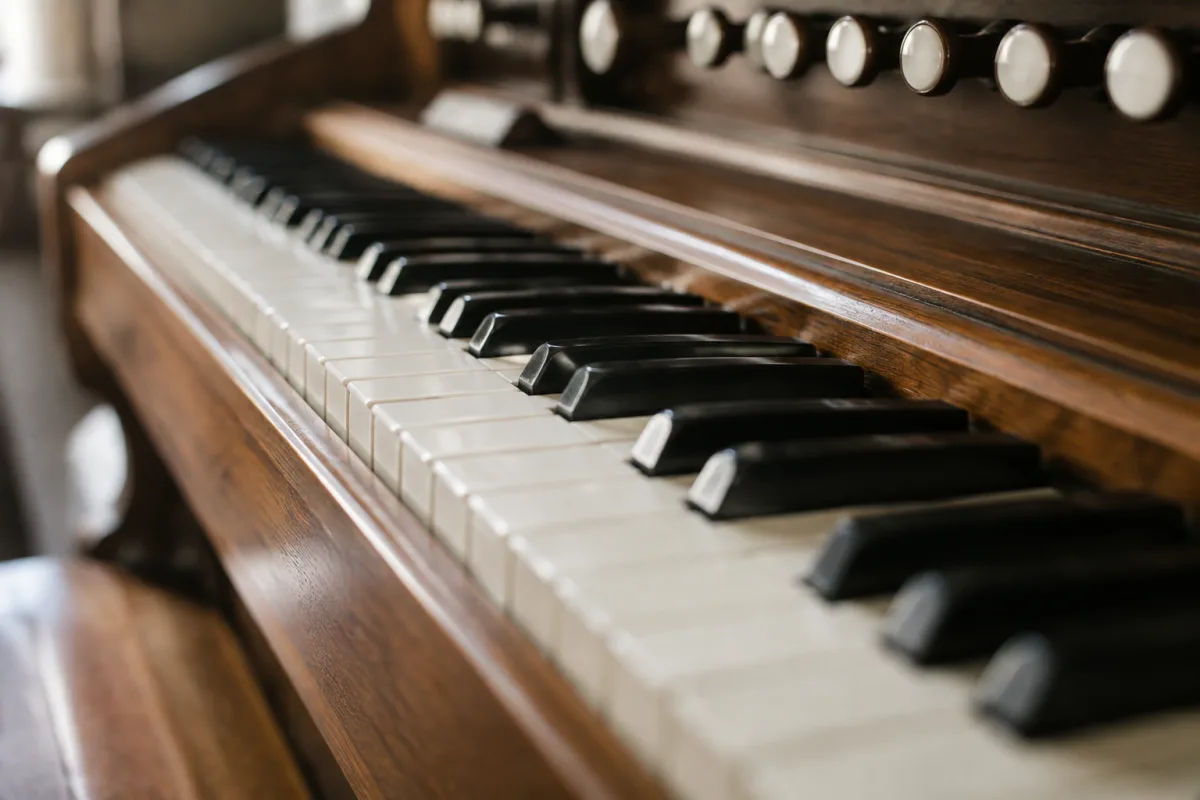
An organ piano keyboard blurs the line between two distinct instruments—the piano's expressive, weighted keys and the organ's rich, layered tones and foot pedal capabilities. If you want to explore both instruments on one keyboard, create music that blends piano and organ characters, or own a single instrument that covers multiple playing styles, an organ piano keyboard offers versatility that neither a pure piano nor a pure organ provides alone. Understanding what organ piano keyboards offer, how they compare to dedicated instruments, and which models suit different playing levels helps you choose one if this hybrid approach appeals to your musical interests.
What Is an Organ Piano Keyboard?
An organ piano keyboard is a digital instrument combining piano-like weighted keys (which simulate the resistance and feel of an acoustic piano) with organ sound engines and capabilities. Most organ piano keyboards include piano tones (grand piano, electric piano variations), organ tones (pipe organ, Hammond B3, electronic organ), and often synthesizer sounds and effects. Many also include expression pedals (for dynamic volume and tone control, essential for organ playing) and sustain pedals (for piano realism).
The key difference from a pure digital piano is the organ character—real organists require full tone control via pedals, drawbars or controls unavailable on standard digital pianos. An organ piano keyboard bridges this gap by including both pianist-friendly keys and organist-friendly controls.
Weighted Keys and Touch
Quality organ piano keyboards use weighted or semi-weighted keys that simulate acoustic piano resistance. As you press deeper into a key, you feel increasing resistance, which trains proper finger technique and allows dynamic expression (playing softer or harder produces actual volume differences). Semi-weighted keys are lighter and faster, favoured by some organists; fully weighted keys feel like acoustic pianos and suit classical piano technique.
The touch and resistance profoundly affect how the instrument feels under your fingers. Try different models in person if possible; the difference between a cheap unweighted keyboard and a quality weighted one is immediately obvious and influences whether you'll enjoy practising long-term.
Organ Capabilities and Controls
Dedicated organists need more than just sounds—they need control over tone. Many organ piano keyboards include drawbars (sliders that shape tone by adjusting harmonics, mimicking Hammond organ controls) or knobs for filter cutoff and resonance. Expression pedals let you control volume dynamically as you play, essential for organ and certain electric piano styles. Foot pedals (typically one or more of sustain, expression, volume) are standard on quality models.
Check whether the organ section offers genuine control or just preset "organ" patches. Quality instruments let you shape organ tone actively; cheaper models offer preset tones you can't modify. For serious organ playing, tone control is non-negotiable.
Types of Organ Piano Keyboards
Several categories serve different needs and budgets:
- Entry-level hybrid keyboards (61–88 keys, unweighted): Budget models with basic piano and organ sounds, minimal organ controls. £200–500. Good for exploring both instruments; limited for serious dedicated playing in either.
- Intermediate weighted organ pianos (88 keys, semi-weighted): Better piano feel with more authentic organ tones and drawbar controls. £800–1500. Suitable for players serious about exploring both instruments.
- Professional weighted organ pianos (88 keys, fully weighted): Premium piano action, extensive organ controls, professional sound quality. £2000–5000+. For pianists wanting organ capabilities or organists wanting serious piano functionality.
- Stage instruments (portable): Compact weighted organs with piano sounds, designed for gigging musicians who want both in one instrument. £1500–3500. Built for durability and live performance.
Sound Quality and Authenticity
Entry-level organ piano keyboards use sampled or synthesised sounds that sound adequate but lack character. Intermediate and professional models use high-quality sampled tones (especially organs, where authentic tone matters enormously) and sophisticated sound engines. The difference is immediately obvious: a cheap organ piano sounds electronic and thin; a quality one captures the warmth and complexity of real organs and pianos.
For organ playing especially, sound character matters enormously. Organists can tell the difference between a cheap Hammond simulation and an authentic-sounding B3 recreation. If organ is your primary interest, invest in quality sound—it transforms your entire experience.
Piano vs. Organ: Choosing the Right Balance
Ask yourself: am I primarily a pianist who wants to explore organ, or primarily an organist who wants to explore piano? Your answer determines which organ piano keyboard to prioritise. If piano is primary, prioritise weighted keys and piano sound quality. If organ is primary, prioritise organ controls, drawbars and foot pedal responsiveness. Quality organ piano keyboards balance both, but none excel equally at everything—you'll always make small compromises.
Pedal Requirements
Organists typically require foot expression pedals (for dynamic tone and volume control) and sustain pedals, making pedal quality and responsiveness crucial. Pianists primarily need a sustain pedal, though many enjoy an expression pedal for added control. Check whether pedals are included or sold separately, and whether they're quality components that'll last years—cheap pedals feel flimsy and often fail.
Connectivity and Production Features
Modern organ piano keyboards include MIDI output (connecting to computers for production), USB power, and sometimes built-in recording. For bedroom musicians, these features expand possibilities significantly. Check whether USB connectivity is fast (USB 2.0 minimum, USB 3.0 preferred), and whether the instrument supports both MIDI IN (receiving control from external devices) and OUT (sending your playing data to software).
Budget Considerations
Budget organ pianos (£200–500) are good for exploration but compromise on touch, sound quality and organ controls. Mid-range models (£800–1500) offer substantial improvements in all areas. Professional instruments (£2000+) deliver serious playability and sound quality suitable for recording and performance. For dedicated organists or pianists, investing in quality pays dividends in sound and responsiveness.
Learning Considerations
Beginning pianists should prioritise weighted keys and good piano sounds, avoiding cheap unweighted keyboards that teach poor technique. Beginning organists need expression pedals and basic tone controls to learn proper playing. Choosing an organ piano keyboard that favours your primary instrument prevents frustration whilst still offering exploration of the other.
Conclusion
An organ piano keyboard is an excellent choice for musicians wanting to explore or integrate both instruments in one device. Weighted keys that feel like an acoustic piano combined with authentic organ tones and controls create an instrument more versatile than either dedicated instrument alone. Prioritise sound quality, keyboard feel and your particular needs (piano focus vs. organ focus), and you'll find an organ piano keyboard that opens musical doors neither instrument alone can offer. The best choice balances your budget with your playing level and primary musical interests.


Comments