


Music Keyboard Covers article
Music Keyboard Covers for Beginners: A Complete Guide
A keyboard cover is affordable protection for an expensive instrument. This beginner's guide shows why covers matter, which type to choose, and how to use one properly.
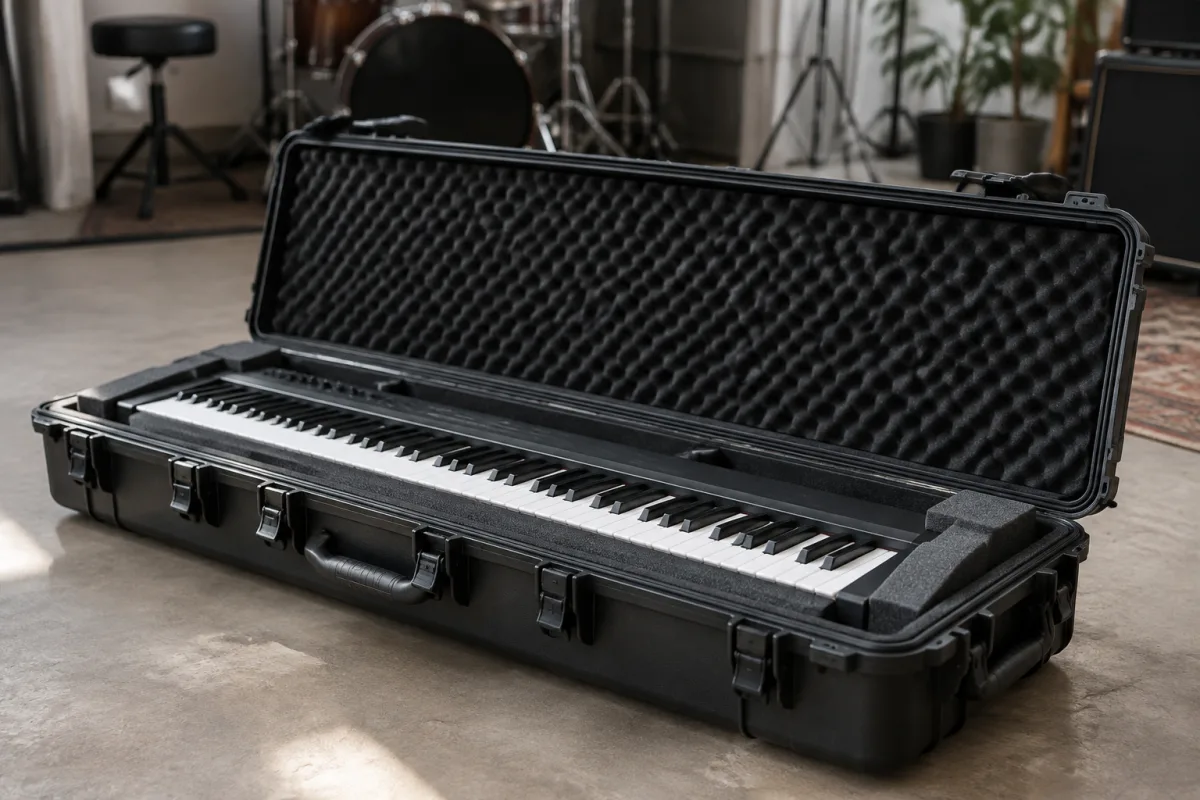
When you're a beginner keyboard player, protecting your instrument is one of those practical details that's easy to overlook until something goes wrong. A keyboard might seem tough—it's a lump of plastic and circuitry, after all—but spilled coffee, dust, accidental impacts, and humidity all take their toll. A music keyboard cover is one of the cheapest investments you can make to protect something you've spent significant money on. This guide shows beginners why a cover matters, which type to choose, and how to use one correctly.
Why Your Keyboard Needs a Cover
If your keyboard lives in a bedroom and rarely leaves home, a cover might feel like overkill. But if you practise near a kitchen, gig regularly, or move your keyboard between locations, protection is essential. Here's what threatens an unprotected keyboard:
- Dust and debris. Dust accumulates inside the keys and mechanism, eventually causing sticking or electrical issues. A cover prevents this.
- Spilled liquids. Coffee, tea, or juice near a practice area is inevitable. An unprotected keyboard can be ruined in seconds. A cover at least delays damage until you can dry it out.
- Impact damage. Bumping the keyboard when moving or handling, or dropping something on it—these happen. A padded cover absorbs shock.
- Humidity and temperature extremes. Moving a keyboard between a cold van and a warm venue stresses the electronics. A cover provides some insulation.
- UV damage. If your keyboard sits in sunlight regularly, the plastic fades and can become brittle. A cover prevents this.
None of these scenarios requires catastrophic damage—a cover prevents gradual degradation that eventually makes your keyboard unreliable or short-lived.
Types of Keyboard Covers Explained
Keyboard covers come in several styles, each suited to different situations:
- Dust covers (fabric, non-padded). Simple fabric or plastic sheets that protect from dust and light debris. Cheap and lightweight. Best for keyboards that stay in one place or rarely move. Inadequate if you gig regularly.
- Soft padded cases. Fabric with foam padding, usually with a handle or strap. Protects from dust, minor impacts, and weather. Good for players who gig occasionally or transport keyboards in cars. The standard beginner choice.
- Hard cases (flight cases). Protective plastic or wood shells, often with latches and carrying handles. Maximum protection, including serious impact and pressure resistance. Necessary for frequent touring or shipping; overkill for home use.
- Custom-fit covers. Made specifically for your keyboard model. Fit perfectly and provide targeted protection. More expensive but worth it if you want precision fit.
Most beginners should choose a soft padded case. It's affordable, protects against the most common threats, and is easy to use.
Choosing the Right Cover for Your Keyboard
When shopping, check these details:
- Size fit. The cover must accommodate your keyboard's dimensions. Most keyboard covers span a range (e.g., 61–88 keys), but always verify your specific model fits before buying.
- Padding thickness. At least 10mm of foam padding is adequate for home use. Thicker (20mm+) is better if you gig or travel frequently.
- Material quality. Look for durable, water-resistant fabric, not cheap nylon. The stitching should be tight and even.
- Access for cables. Can you access power and audio ports easily, or do you remove the entire cover every time? Good covers allow cable access without full removal.
- Handles and straps. A handle or carrying strap makes transport easier. Some soft cases have shoulder straps—invaluable if you gig regularly.
- Interior lining. Soft interior fabric protects the keyboard from abrasion. Hard plastic interiors risk scratching your instrument.
Using Your Keyboard Cover Correctly
Proper use maximises protection and extends the cover's life:
- Keep it on when the keyboard is not in active use. Practice session over? Put the cover on. Gigging later today? Leave it on between rehearsal and performance.
- Don't leave wet covers on the keyboard. If the cover gets wet or damp, remove it and dry both the cover and keyboard thoroughly before reapplying. Trapped moisture causes damage.
- Check the fit regularly. Over time, padding compresses or fabric stretches. If the cover no longer fits snugly, consider replacing it.
- Clean the cover occasionally. Dust the exterior, and if it gets visibly dirty, wipe it with a damp cloth. A clean cover is less likely to transfer dirt to your keyboard.
- Don't rely on the cover as a substitute for proper storage. A cover helps, but your keyboard should still live in a stable temperature and humidity environment, preferably in a dedicated space away from hazards.
Common Beginner Worries About Keyboard Covers
Here are the concerns that often crop up:
- "Won't the cover trap heat and damage the keyboard?" No. A keyboard generates minimal heat. A cover doesn't trap problematic warmth. Your keyboard is safe under a cover, even during storage.
- "Is a hard case really necessary?" Only if you ship your keyboard, gig in physically rough environments, or need maximum durability. For home-based playing, a soft padded case is adequate.
- "Do I need to remove the cover to play?" Yes, the cover must come off. Some players leave their keyboard in a stand with the cover nearby, then slip it on immediately after playing. Others store it covered and remove the cover to practise.
- "Will the cover cause condensation or moisture issues?" If the keyboard is at room temperature when you put the cover on, no. Never put a warm or damp keyboard in a cover; let it cool and dry first.
- "Is it expensive to replace a keyboard cover?" A good soft padded case costs £20–£50, depending on size and quality. Cheap compared to replacing a damaged keyboard.
Making the Choice
Here's a simple decision framework:
If your keyboard rarely leaves home and lives in a safe space: a basic dust cover (£10–£15) is adequate.
If you gig occasionally or move your keyboard between locations: a padded soft case (£20–£40) is the sensible choice.
If you gig frequently or travel significant distances: invest in a better padded case or consider a hard case (£50–£150).
A beginner should start with a mid-range padded case and upgrade later if gigging becomes more frequent.
The Bottom Line
A keyboard cover is cheap protection for an expensive instrument. A soft padded case costs roughly what you'd spend on a single gig, but it can extend your keyboard's working life by years. Protect your investment—get a cover, use it consistently, and enjoy knowing your keyboard is safe from the everyday hazards that damage unprotected instruments.
FAQ
This FAQ section will be generated and appended by the publishing system.



Comments