
Music Keyboard 88 Keys article
The Complete Guide to Music Keyboard 88 Keys
An 88-key music keyboard provides the complete piano range necessary for serious musical development, classical training and full repertoire access.
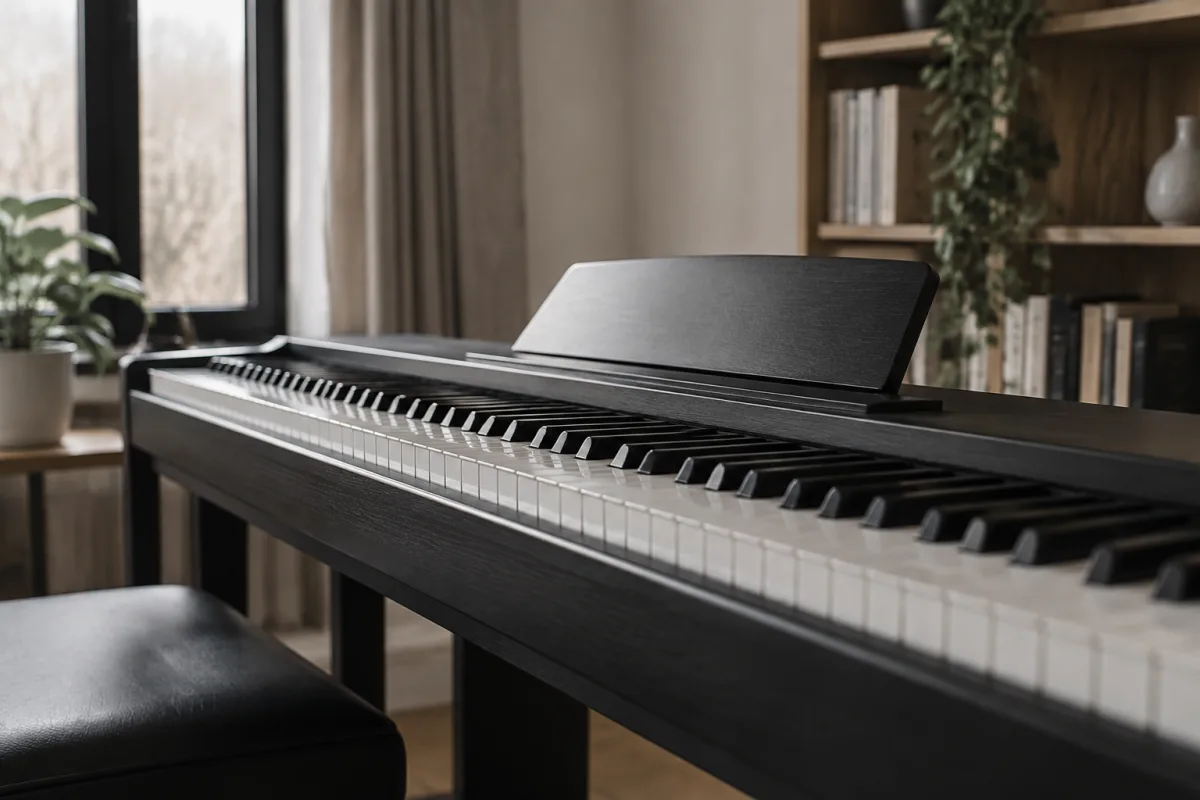
The standard piano keyboard has 88 keys—a configuration established by the acoustic piano since the 19th century. A music keyboard 88 keys provides full access to the complete range of the acoustic piano, making it essential for serious pianists, music students and professionals. Whether you play classical repertoire, jazz, pop or any genre relying on keyboard instruments, understanding why 88 keys matters and how to choose the right keyboard will shape your musical development and enjoyment.
Why 88 Keys Became the Standard
The modern piano keyboard evolved gradually during the 19th century. Most early pianos had fewer keys—typically 61 or 73. As composers wrote more ambitious music demanding extended range, piano manufacturers expanded the keyboard. By the early 1900s, the 88-key configuration had become universal, allowing composers to write music across the complete range humans could comfortably hear. This range—from the lowest A (A0) to the highest C (C8)—remains sufficient for virtually all performed music, including contemporary classical works.
A music keyboard 88 keys represents this full acoustic piano range. Learning piano on anything smaller means encountering repertoire you cannot play on your instrument, which creates frustration and limits your growth as a musician.
What You Get With 88 Keys
An 88-key keyboard spans just over seven octaves. This range encompasses:
- Deep Bass Notes: The lowest keys (A0–B0) provide the foundational bass range, crucial for classical repertoire and full-voiced jazz voicings.
- Mid-Range: The central octaves (C3–C6) contain most of the music you'll play and hear in typical songs.
- Upper Range: The highest keys provide brilliant treble for melodies and solo lines.
- Full Repertoire Access: A music keyboard 88 keys allows you to play standard classical pieces, jazz standards, and contemporary music without transposing or modification.
Smaller keyboards with 61 or 73 keys force transposition or note omission. This limitation hinders learning and frustrates advancement.
Alternatives: When Fewer Keys Make Sense
Whilst an 88-key keyboard is ideal for serious playing, alternatives exist for specific situations:
61-Key Keyboards
These compact keyboards suit beginners on tight budgets, children learning fundamentals, and musicians prioritising portability over range. A 61-key instrument proves adequate for many contemporary styles (electronic music, synth pop, etc.) where the full piano range matters less. However, they cannot replicate classical piano repertoire.
73-Key Keyboards
A 73-key keyboard bridges the gap—offering roughly six octaves, enough for most contemporary music and many classical pieces. These compromise between portability and range, ideal for working musicians balancing size and functionality.
Synthesizers and Specialized Instruments
Electronic synthesizers, stage keyboards and controller keyboards often come in 49-key, 61-key or 88-key configurations. Smaller synthesizers prioritise portability and knob density; full-sized models provide an 88-key layout for pianists.
Types of 88-Key Keyboards
Digital Pianos
Designed to replicate acoustic pianos, digital piano models with 88 keys feature weighted keys that simulate hammer action, sophisticated sound engines sampling real pianos, and wooden key construction for authentic feel. These instrument suit serious pianists and students preparing for concert performances. An 88-key digital piano costs £800–3,000 for quality models.
Stage Keyboards and Portable Digital Pianos
Gigging musicians often prefer lightweight 88-key stage keyboards that balance weight, portability and functionality. These models include hundreds of sounds, connectivity options and typically weigh 20–30 kg. An 88-key stage keyboard costs £1,500–4,000 depending on features.
Luxury and Professional Models
High-end 88-key keyboards for professional studios, concert halls and serious pianists can exceed £5,000. These instruments feature exceptional sound quality, precise key action and specialised features. Yamaha, Roland, Korg and other established manufacturers dominate this category.
Budget and Beginner Models
Entry-level 88-key keyboards (£200–600) provide essential functionality for learners without requiring large investment. These often feature unweighted keys, basic sounds and simple controls. They're suitable for exploring piano fundamentals but won't satisfy serious players or music students.
Key Features to Compare
Weighted vs. Unweighted Keys
Weighted keys on an 88-key keyboard simulate piano hammer action, requiring finger strength and providing realistic resistance. Learning on weighted keys develops proper technique transferable to acoustic pianos. Unweighted keys are lighter and easier for beginners but don't prepare you for acoustic piano playing.
Sound Quality and Sampling
Modern 88-key keyboards use high-quality piano sampling or modelling to recreate acoustic piano tone. Premium models sample multiple velocity layers and pedal techniques; budget models use basic samples. Sound quality makes enormous difference in inspiration and enjoyment.
Connectivity and Control
MIDI connectivity allows your 88-key keyboard to control computer recording software. Wheels, sliders and knobs on stage keyboards provide real-time sound control. USB connections simplify recording and software integration.
Build and Portability
Digital pianos prioritise stability and aesthetics for home studios or concert halls. Stage keyboards emphasise lightweight construction for touring. Budget models often use plastic construction; premium 88-key keyboards use wood and robust components.
88-Key Keyboard Setup and Maintenance
- Positioning: Place your 88-key keyboard on a sturdy stand at comfortable playing height, usually 70–75 cm from floor to key surface. Proper posture prevents injury and improves playing technique.
- Connectivity: Connect MIDI cables or USB if you plan to record. Properly shielded cables reduce electrical interference and ensure clean data transmission.
- Pedal Setup: Attach the sustain pedal (or triple pedal assembly for advanced pianists) to the 88-key keyboard. Pedal technique is crucial for expressive playing, especially in classical music.
- Headphone Output: Use headphones if privacy matters. Quality headphone monitoring allows late-night or quiet practice without disturbing neighbours.
- Regular Cleaning: Dust keys gently with a soft cloth. Keep liquids away from the instrument to prevent electrical damage.
Choosing Your 88-Key Keyboard
Several factors guide the right choice:
- Purpose: Are you learning classical piano? Performing in jazz ensembles? Making electronic music? Your music style shapes priorities—a classical student needs weighted keys and piano sound; an electronic musician might accept lighter keys and synthesiser focus.
- Budget: Premium 88-key keyboards cost significantly more than budget alternatives. Determine your investment limit, recognising that quality significantly affects learning experience and enjoyment.
- Portability: Will you move the keyboard frequently? If so, light stage keyboards beat heavy digital pianos. Home studio players can accept more weight for superior sound and feel.
- Space: Does your home have room for an 88-key keyboard plus stand? Measure carefully to ensure practical placement.
- Connectivity Needs: Do you want MIDI control and computer recording? Verify USB and MIDI connectivity options.
The Bottom Line
An 88-key keyboard provides the complete piano range essential for serious musical development. Smaller keyboards force compromises that limit your repertoire and growth; larger keyboards deliver the full range standard acoustic pianos provide. Whether you choose a weighted digital piano for classical study, a stage keyboard for gigging, or a budget model for exploration, insisting on 88 keys ensures you're not outgrowing your instrument. Invest wisely—a quality 88-key keyboard supports your musical journey for years to come.


Comments