


Keyboard Wooden Stand article
Keyboard Wooden Stand for Beginners: A Complete Guide
A keyboard wooden stand transforms your playing experience from uncomfortable to enjoyable. This guide shows beginners why a stand matters and how to choose the right one.
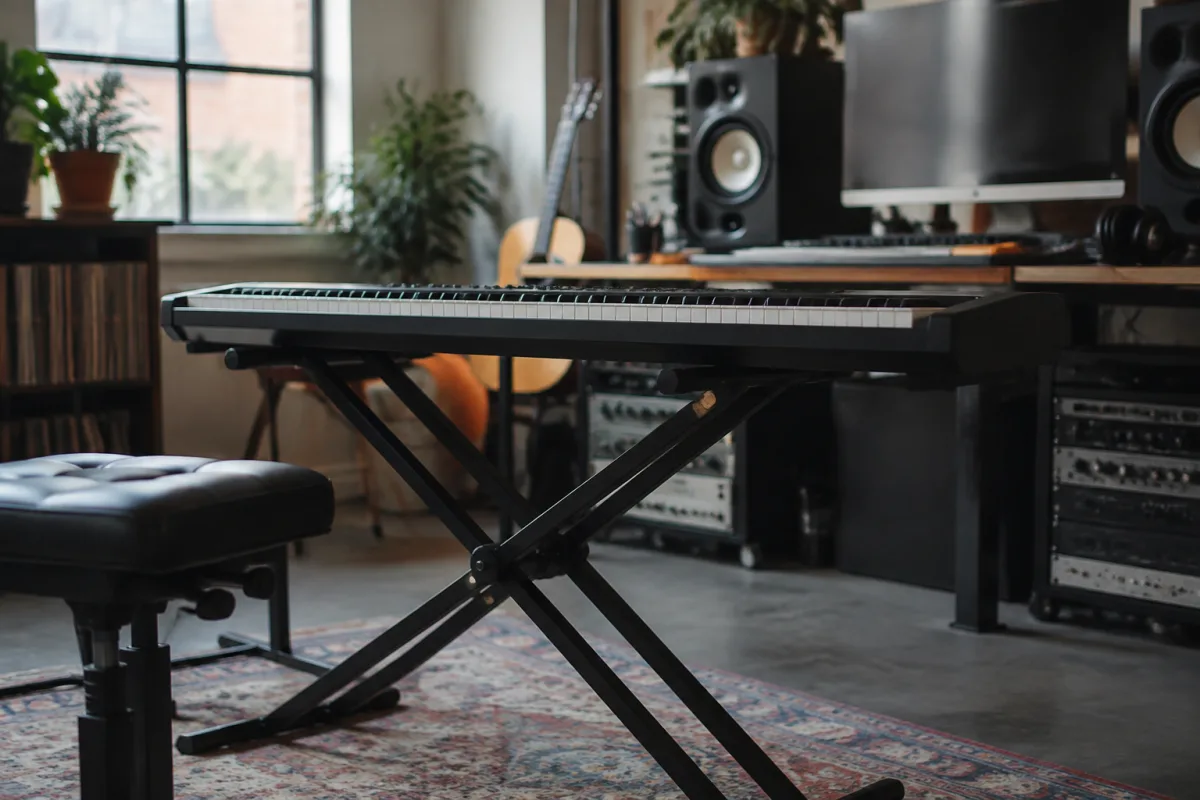
When you first get a keyboard and sit down to play, you might set it on a desk, a piano bench, or balance it on whatever's available. It works for a bit, but something feels off. Your posture strains, your wrists angle awkwardly, or the keyboard feels too low. This is where a keyboard wooden stand comes in. It's not glamorous, but it transforms your playing experience from uncomfortable to genuinely enjoyable. This guide is for beginners wondering whether they need a stand and, if so, which wooden stand makes sense for their situation.
Why Your Keyboard Deserves a Proper Stand
A keyboard wooden stand isn't an optional luxury—it's an essential piece of ergonomic furniture. Playing a keyboard on an improper surface creates lasting problems: shoulder tension, wrist strain, and poor playing technique because your body isn't aligned properly. After an hour of uncomfortable playing, you'll abandon practice frustrated rather than energised.
A wooden stand positions your keyboard at the correct height for your arms and shoulders, allowing you to play naturally for hours without fatigue. It also looks professional—whether you're recording at home or performing at a venue, a proper stand says you're serious about the music.
Understanding Keyboard Wooden Stands
Keyboard wooden stands come in a few basic styles, and understanding the difference helps you choose:
- Single-tier wooden stands—The keyboard sits on one level. Simple, sturdy, and perfect for most home and gigging situations. This is the standard choice.
- Double-tier wooden stands—Two levels: one for the keyboard, one below for a controller, MIDI device, or additional equipment. Great if you're building a more elaborate setup.
- Adjustable wooden stands—Some allow angle or height adjustment. Useful if multiple people of different heights play the keyboard, or if you prefer to customise your playing position.
For a beginner, a simple single-tier wooden stand is the right choice. It's affordable, it looks great, and it does the job perfectly.
Choosing the Right Wooden Stand for Your Keyboard
Size and stability are the key considerations:
- Width. Your stand must be slightly wider than your keyboard so the keyboard sits securely without risk of tipping. Check the keyboard's width and compare it to the stand's specifications.
- Weight capacity. Most wooden stands support 40-60 kilograms easily. Your keyboard is probably 20-30 kilograms, so weight capacity is rarely an issue—but check anyway for peace of mind.
- Height. The keyboard should sit so your elbows rest comfortably at roughly 90 degrees when your arms hang naturally. Standard stand heights work for most players; check the spec and, if possible, try before buying.
- Build quality. Look for stands made from solid wood (not MDF or chipboard) with sturdy joinery. A cheap stand will wobble, creak, and frustrate you. Invest in something robust.
A solid wooden keyboard stand is genuinely inexpensive compared to your keyboard itself. Don't skimp.
Setting Up Your Wooden Stand Correctly
Here's the straightforward process for setting up your keyboard stand:
- Place the stand in a stable location away from walls and hazards. Make sure the legs sit flat on the ground—an unlevel floor causes wobbling.
- Position the keyboard on the stand. It should sit centred and secure, not teetering at the edge.
- Sit in front of the keyboard with your back straight. Your elbows should rest at roughly 90 degrees. If the height feels wrong, you might need a different stand height or an adjustable chair.
- Connect power and audio cables (if using an amplifier).
- Play for a few minutes. Your posture should feel natural and comfortable, with no shoulder or wrist strain.
Once it's set up correctly, you'll notice the difference within minutes. Playing becomes a pleasure instead of a chore.
Why Wooden Stands Win Over Metal Alternatives
Metal stands are cheaper and lighter, but wooden stands offer genuine advantages:
- Aesthetic appeal. A wooden stand looks sophisticated and professional. It enhances your setup visually.
- Vibration dampening. Wood naturally absorbs vibrations, reducing unwanted noise. Metal stands transmit vibrations, which can colour your sound.
- Stability feel. Wooden stands feel solid and reassuring. They don't rattle or shift unexpectedly.
- Durability. Quality wooden stands age beautifully and last for decades. They're an investment, not a disposable accessory.
Yes, a wooden stand costs more than a basic metal alternative—but the difference in playing experience and longevity is worth it.
Common Beginner Worries About Wooden Stands
Here are the concerns that often crop up:
- "Won't it take up too much space?" A keyboard wooden stand occupies roughly the same footprint as your keyboard. If you have room for the keyboard, you have room for the stand.
- "Is it stable enough?" A quality wooden stand is extremely stable. Thousands of professional musicians rely on them daily without issue.
- "Will it damage my keyboard?" Not if you set it up correctly. Pad the stand's arms where they contact the keyboard if you're worried, but damage is extremely rare.
- "Do I need special tools to assemble it?" Most wooden stands arrive flat-packed and assemble with a screwdriver in 10-15 minutes. Instructions are included. It's genuinely simple.
- "What if my keyboard is unusually sized?" Most keyboards are standard sizes, but check the specifications before buying. If your keyboard is unusually wide or heavy, contact the stand's manufacturer.
Making Your Setup Complete
Once you have a proper wooden stand, you've solved one of the biggest barriers to comfortable, consistent practice. Add a comfortable chair at the right height, and you've created a setup that will support your playing for years. The investment is small compared to the return in comfort and confidence.
The Bottom Line
A keyboard wooden stand is one of the smartest investments a beginning keyboardist can make. It transforms your playing experience from awkward to comfortable, looks professional in your home or studio, and lasts for decades. Don't play on makeshift solutions—get a proper wooden stand and enjoy the difference immediately.
FAQ
This FAQ section will be generated and appended by the publishing system.



Comments