


Keyboard Novation Buying guide
Keyboard Novation: A Complete Buyer's Guide
Choosing a Novation keyboard means understanding product categories from portable MIDI controllers to professional synthesizers. This guide clarifies specifications and helps you match the right model to your needs.
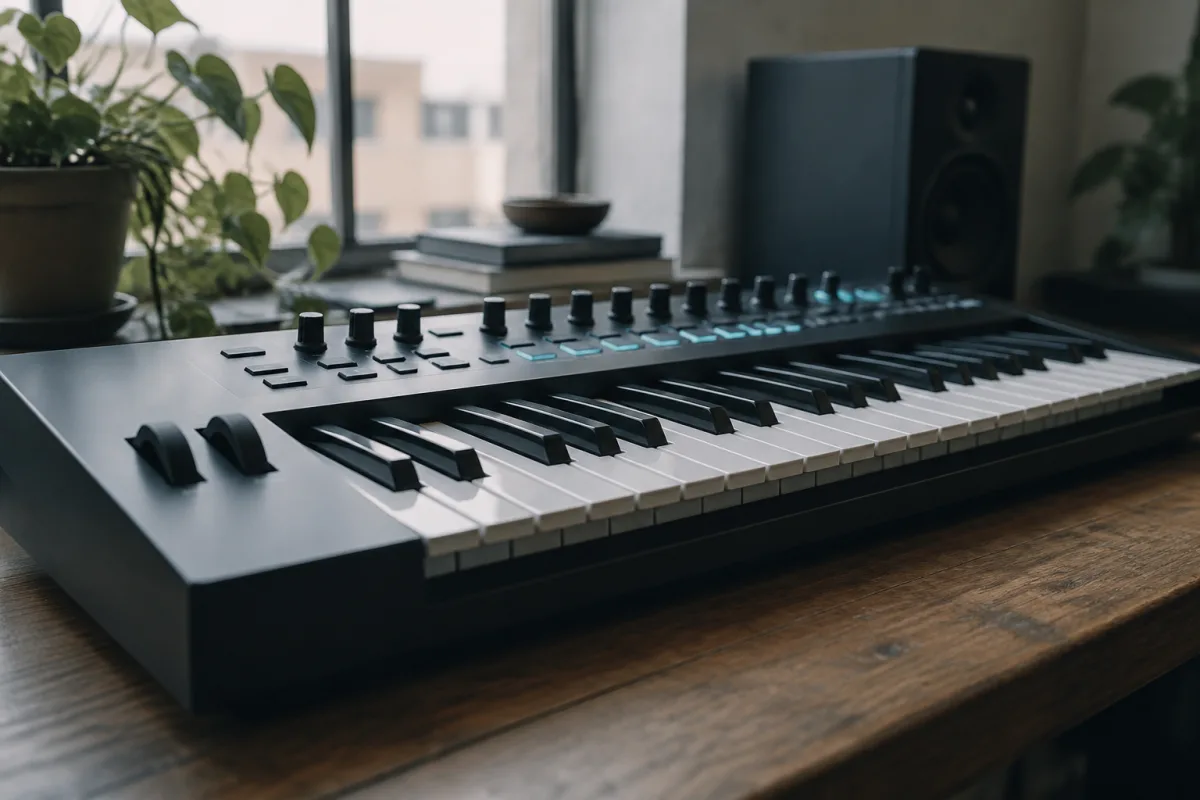
Purchasing a Novation keyboard requires understanding their diverse product lines spanning from portable MIDI controllers to full synthesizers. Novation's reputation for innovation and affordability means excellent value across price points, but choosing the right model depends on matching specifications to your actual needs. This guide clarifies Novation's product families, explains key specifications, and helps you avoid overspending on unwanted features or undershooting on necessary capabilities.
Understanding Novation's Core Product Categories
Novation manufactures keyboards across several distinct categories, each serving different purposes:
- Portable MIDI keyboards: Compact controllers designed to trigger software instruments on a computer or DAW. These prioritise portability and connectivity over internal sound generation. Typical weight: 1–3kg. Ideal for producers and laptop musicians.
- Entry-level synthesizers: Affordable standalones with built-in sounds, sequencers, and arpeggiators. These don't require external equipment to make music. Suitable for hobbyists and beginners exploring synthesis. Price range: £200–500.
- Professional synthesizers: Full-featured standalones with extensive programming capabilities, effects, and sound libraries. These deliver professional-quality results for recording and gigging. Price range: £800–2,500+.
- Groove production stations: Integrated systems combining keyboard, sequencer, drum machine, and effects in one unit. These all-in-one systems suit producers wanting complete production capability without external gear. Price range: £400–1,200.
Clarify your primary purpose before exploring models. Software producers need different specifications than bedroom hobbyists.
Critical Specifications for Novation Keyboards
When evaluating a specific model, assess these essential factors:
- Key count and type: 25-key keyboards are portable but feel cramped for serious playing. 49-key models balance portability with playable range. 61+ keys suit pianists and players needing full octave span. Key type matters: weighted keys mimic piano action; unweighted keys prioritise speed and are lighter. Assess your playing style and space constraints.
- Connectivity options: USB connectivity supports DAW integration on modern MIDI controllers. MIDI in/out ports allow hardware integration. Audio outputs determine monitoring setup. Bluetooth capability enables wireless connection to tablets and computers. Verify connectivity matches your intended setup before purchase.
- Built-in sounds and synthesis engine: Budget models include basic preset sounds; professional models feature deep synthesis engines allowing sound design. MIDI controllers contain no sounds (they trigger external software). Determine whether you need internal sounds or will use external software.
- Sequencer and pattern tools: Many Novation models include sequencers for recording and editing patterns. Groove production stations emphasise sequencing; controllers downplay it. Assess whether sequencing capabilities matter for your workflow.
- Battery option: Some portable models offer battery power, enabling gigging without mains electricity. Professional synths typically require AC power. Verify power requirements for your intended use.
Review our complete guide to Novation keyboards for detailed specifications on current product lines and comparative analysis of different series.
Popular Novation Product Lines Explained
Novation's main lines serve different markets:
- Launchkey series: MIDI controllers for music production with software integration. Prioritise workflow and connectivity over sound generation. Available in 25, 49, and 61-key versions. Excellent value for producers using DAWs.
- Launchpad: Grid controller for performance and production, less keyboard-focused than Launchkey. Suited to electronic musicians and beat makers rather than traditional keyboardists.
- Bass Station series: Compact monophonic synthesizers optimised for bass sound design. Suited to electronic producers and bass enthusiasts. Available at budget and professional price points.
- Summit series: Flagship polyphonic synthesizers with extensive synthesis capabilities. Top-tier sound quality and professional build. Pricing reflects professional-grade positioning (£2,000+).
- MiniNova and SuperNova: Mid-range synthesizers offering synthesis engine, sequencer, and effects. Good balance of capability and price. Suitable for expanding production setups beyond MIDI controllers.
Price Tiers and Value Positioning
| Price Range | Product Type | Typical User | Strengths | Limitations |
|---|---|---|---|---|
| £100–300 | Budget MIDI controller or entry synth | Beginners, hobbyists | Affordable; sufficient for learning; portable | Basic sound generation; limited controls |
| £300–700 | Mid-range controller or entry synthesizer | Bedroom producers, enthusiasts | Better build quality; more controls; good integration | Still entry-level capabilities; limited sound design depth |
| £700–1,500 | Professional controller or mid-range synth | Serious producers, gigging musicians | Professional build; extensive connectivity; mature feature set | High cost relative to hobbyist needs; complexity may intimidate beginners |
| £1,500+ | Flagship synthesizer or production station | Recording studios, professional musicians | Uncompromised capabilities; sound quality; longevity | Prohibitive cost; overkill for amateur use; steep learning curve |
Common Purchasing Mistakes
Buying a MIDI controller expecting internal sounds. Entry-level mistakes stem from confusion between controllers and synthesizers. Controllers need external software (often paid); synthesizers have internal sounds. Clarify before purchase what sound generation you need.
Choosing excessive key count for portability needs. A 61-key Novation weigh 5–8kg and requires substantial desk space. If portability matters, 25-key models are genuinely useful. Resist purchasing large keyboards you'll eventually abandon due to transport burden.
Dismissing connectivity without understanding your workflow. Limited MIDI output prevents hardware integration. Poor USB implementation frustrates DAW users. Test connectivity requirements against your actual setup before dismissing models with minimal connectivity.
Overpaying for synthesis depth you won't explore. Professional synthesizers offer sound design capabilities that take months to master. Beginner hobbyists rarely exploit these features. Start with simpler models; upgrade when current capabilities genuinely limit you.
Ignoring ergonomics during purchasing decisions. A keyboard that looks appealing in photos might feel uncomfortable during extended sessions. Test physical operation—key feel, knob resistance, menu accessibility—before committing to purchase.
Testing Workflow Compatibility
Before finalising a purchase, verify the keyboard integrates smoothly into your intended workflow. If buying a MIDI controller, test USB connectivity with your DAW. If selecting a synthesizer, play through familiar patterns for 30 minutes to assess comfort and responsiveness. If considering a production station, verify the sequencer workflow matches your expectations. Compatibility and comfort matter more than specifications.
Selecting the right Novation keyboard depends on matching product category and specifications to your actual needs rather than perceived prestige. By understanding product lines, assessing critical specifications, and testing workflow compatibility, you'll invest in equipment that enhances your music production for years rather than sitting unused due to mismatch with your needs.



Comments