


Keyboard Double Stand Buying guide
Keyboard Double Stand: A Complete Buyer's Guide
Choosing a keyboard double stand means balancing stability, portability, and ergonomics. Here's what you need to know.
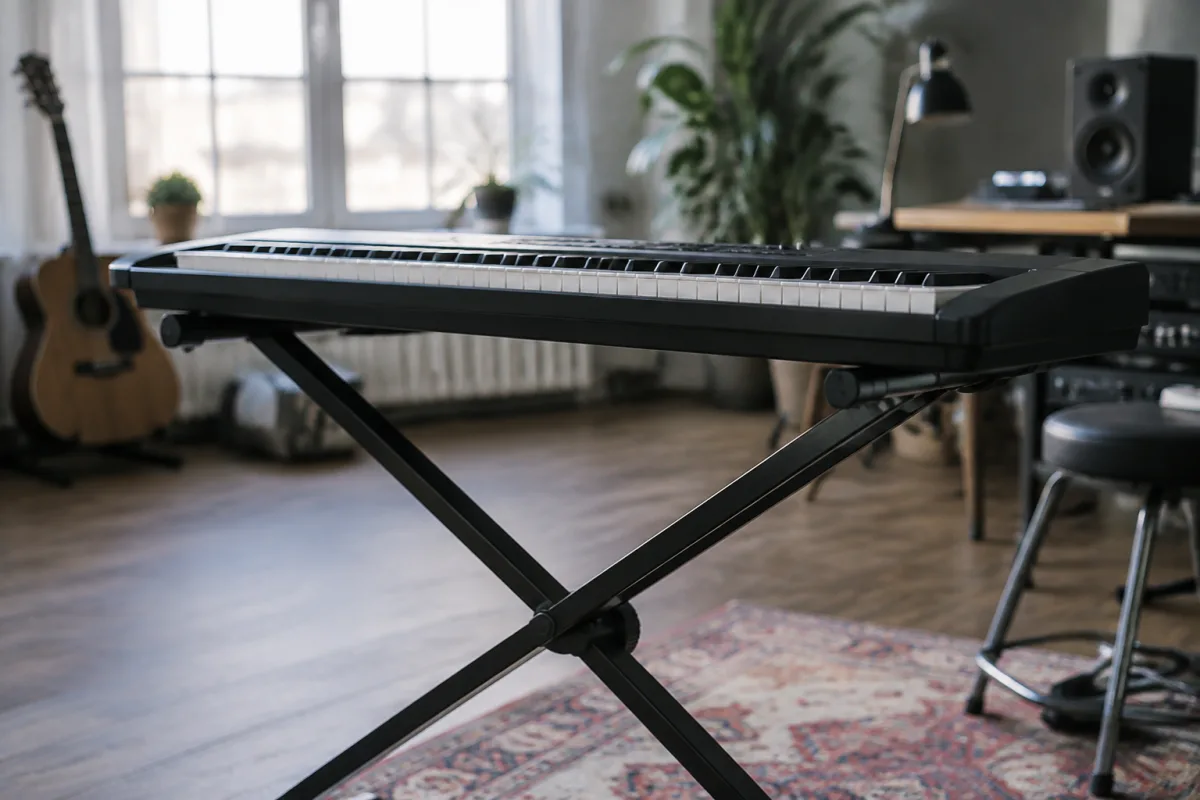
A keyboard double stand lets you play two keyboards simultaneously—essential for modern music production, live performance, and studio work. But not all double stands are created equal. Choosing the right one means considering stability, weight capacity, adjustment flexibility, and whether the stand will survive years of gigging or heavy use. This guide covers what you need to know to buy confidently.
Why Keyboard Players Use Double Stands
A keyboard double stand serves several purposes: layering different sounds (one synth for melody, another for bass), using split-keyboard configurations where each half produces different tones, or providing quick access to two instruments during performance. Studios use them to expand sonic possibilities without occupying additional floor space. Live performers rely on them to access multiple tools without repositioning during a set.
You don't need a double stand if you play one keyboard. If you work with samples, synthesis, or perform live, a quality double stand becomes essential infrastructure.
Double Stand Design Types
Keyboard double stands come in several architectural approaches, each with trade-offs:
- Stacked vertical (X-frame or Z-frame): Two keyboards mounted vertically, one above the other. Compact footprint. The upper keyboard can be awkward to reach, and the lower keyboard's player proximity is compromised. Good for recording studios; less ideal for live performance.
- Side-by-side (dual rails): Two keyboards at the same height, positioned next to each other. Better ergonomics for playing both; larger footprint. More stable if weight distribution is even. Most live performers prefer this configuration.
- Cascading (tiered): Upper keyboard is set back, allowing both to be visible and accessible. Compromise between vertical compactness and side-by-side ergonomics. More expensive; fewer manufacturers offer this.
- Adjustable angle (angled platforms): Some double stands angle each keyboard differently, improving sight lines and reducing wrist strain. Premium feature; increases cost.
Choose based on your playing style. Side-by-side suits live performers; stacked suits space-constrained studios.
Weight Capacity and Stability
Weight capacity is critical. A keyboard double stand must support two instruments safely without flex, wobble, or tip risk.
- Quality double stands: Rated for 40–60kg total, with each tier independently stable. This accommodates most modern keyboards (which range 10–30kg each).
- Budget double stands: Often rated for 30–40kg total, which limits keyboard pairings. A 25kg keyboard on each tier pushes some budget stands into wobble territory.
- Stability factors: Look for wide, braced feet, internal cross-bracing or gussets in the frame, and secure mounting clamps. Lightweight aluminium without reinforcement will flex when you play.
Test weight capacity before purchasing. Place both keyboards on the stand, apply moderate playing pressure, and check for flex or movement. A solid stand feels rock-solid; a wobbly one is dangerous during live performance and distracting in the studio.
Material and Build Quality
Double stands are typically steel or aluminium, each with trade-offs:
- Steel stands: Heavier, more stable, less prone to flex under load. Excellent for permanent studio installations. Portability is compromised; 15kg+ weight becomes tiring for touring musicians.
- Aluminium stands: Lightweight (often 8–12kg), portable, easier to transport to gigs. Trade-off: less rigid than steel, can flex if keyboard weight distribution is uneven or the stand is poorly braced internally.
- Hybrid (steel frame + aluminium supports): Best of both worlds: aluminium's portability with steel's rigidity. Higher cost; most premium double stands use this approach.
For gigging musicians, aluminium portability often outweighs steel's superior rigidity. For studio work, steel or hybrid stands are worth the extra weight.
Adjustment and Customisation
A flexible double stand adjusts to your playing height, keyboard width, and position preferences:
- Height adjustment: Stands with independent or tiered height controls let you position each keyboard at optimal playing height. Fixed-height stands force compromise—often the upper keyboard is too high, the lower too low.
- Tilt/angle control: Premium stands let you angle each tier independently, improving ergonomics and sight lines. Budget stands often use fixed angles that don't suit all players.
- Width and spacing: Adjustable horizontal spacing accommodates keyboards of different sizes. Fixed-width stands are limiting if your keyboard sizes vary.
- Mounting system: Look for universal clamps or adjustable supports that grip your keyboard securely without leaving marks or requiring proprietary attachments.
Flexibility in adjustment is valuable. Your playing preferences and keyboard selection will change; a stand that adapts is more future-proof than a fixed design.
Portability vs. Stability Trade-off
Lightweight double stands are portable but sacrifice stability. Heavy stands are rock-solid but tiring to transport.
For touring musicians, brands like K&M offer lightweight aluminium stands that still maintain good stability—you're paying premium prices for engineering that balances both. For studio-only work, stability dominates; heavier steel is fine.
Consider your actual use before over-prioritising portability. If you gig weekly, every kilogram matters. If you move the stand monthly, weight is secondary to stability.
Price Tiers and Value
Keyboard double stands vary by material, engineering, and brand:
- Budget (£50–120): Steel or light aluminium, fixed height, basic mounting. Works for light use but can flex under heavy playing or with heavy keyboards. Resale value is minimal.
- Mid-range (£120–300): Quality aluminium or hybrid construction, some height adjustment, sturdy clamps. Reliable for gigging; stable under normal play. Good value and reasonable resale.
- Premium (£300–600): Lightweight engineered aluminium or steel, full adjustment flexibility, professional-grade clamps, excellent stability. Built to last decades; used models retain 50–70% resale value.
- High-end (£600+): Custom configurations, boutique brands (K&M, Stagg Pro series), hand-assembled. Overkill for most players but investment-grade if you're a touring professional.
Most players find mid-range double stands (£150–250) offer the best value. They're stable, adjustable, and portable enough for regular gigging without excessive cost.
What to Check When Buying
Before purchasing, verify these points:
- Weight capacity rating: Check the manufacturer's spec; ensure it accommodates your keyboard pair comfortably (ideally 20% above your actual combined weight).
- Stability test: Place keyboards on the stand and apply playing pressure. The stand should feel solid with no flex or wobble.
- Clamp security: Ensure mounting clamps grip your keyboards firmly without slipping during play. Test by gently pulling sideways on each keyboard.
- Height range: Measure your preferred playing height and confirm the stand's adjustment range accommodates it. Ergonomics matter during long sessions.
- Footprint: Measure the stand's floor dimensions. Ensure it fits your performance space or studio without dominating the room.
- Material finish: Check for rust (on steel) or oxidation (on aluminium). Corrosion suggests age or poor storage; it can worsen and affect stability.
- Hardware tightness: All bolts and fasteners should be snug. Loose hardware is a red flag suggesting the stand hasn't been properly maintained.
New vs. Used Market
Quality keyboard double stands hold value reasonably well. Used mid-range stands typically sell at 50–60% of original retail price, making them good value if condition is verified.
Advantages of buying used: lower cost, proven reliability (decade-old quality stands still perform excellently), and reduced environmental impact. Disadvantages: no warranty, potential shipping damage, and you can't test stability until delivery.
Buy new if you want warranty and zero risk. Buy used if you're budget-constrained and can verify condition through photos or video demonstrations.
Common Mistakes When Buying
Avoid these pitfalls:
- Underestimating weight capacity needs. A stand rated for 40kg total might wobble with two 22kg keyboards when you play hard. Choose a stand rated comfortably above your actual needs.
- Prioritising lightness over stability. A 7kg stand that flexes is more frustrating than a 12kg stand that's rock-solid. Stability is non-negotiable for gigging.
- Ignoring ergonomics. A double stand that positions keyboards awkwardly will frustrate you every rehearsal and gig. Test playability before committing.
- Assuming all stands fit all keyboards. Universal clamps work for most keyboards, but oversized or unusual shapes sometimes don't fit standard stands. Verify compatibility.
- Overlooking portability for studio-only work. If the stand never leaves your studio, weight and breakdown speed don't matter. Prioritise stability instead.
- Buying the cheapest option without testing. Budget stands often have hidden compromises (poor stability, flex, weak clamps). Invest modestly more for reliability.
Longevity and Maintenance
A quality keyboard double stand lasts 10–20 years with minimal maintenance. Periodically check that bolts and clamps remain tight, and keep the stand clean and dry.
Corrosion is the main long-term risk. Store the stand indoors if possible, and dry it quickly after transport in humid conditions. Light rust on steel can be cleaned; deep corrosion affects stability.
Conclusion
Buying the right keyboard double stand means balancing stability, portability, and ergonomics. Choose based on your primary use: if you gig frequently, prioritise a mid-range stand that's stable but light. If you work in a permanent studio, stability and rigidity matter more than portability. Always test weight capacity and stability before committing, verify adjustment flexibility suits your keyboards, and understand that cheap stands often flex or fail under heavy use. A quality mid-range double stand (£150–250) delivers decades of reliable service and represents genuine value for keyboard players working with multiple instruments.


Comments