
Full Music Keyboard article
The Complete Guide to Full Music Keyboard
A full music keyboard with 88 weighted keys combines piano authenticity with modern features. Discover which full-featured keyboard suits your learning goals and creative ambitions.
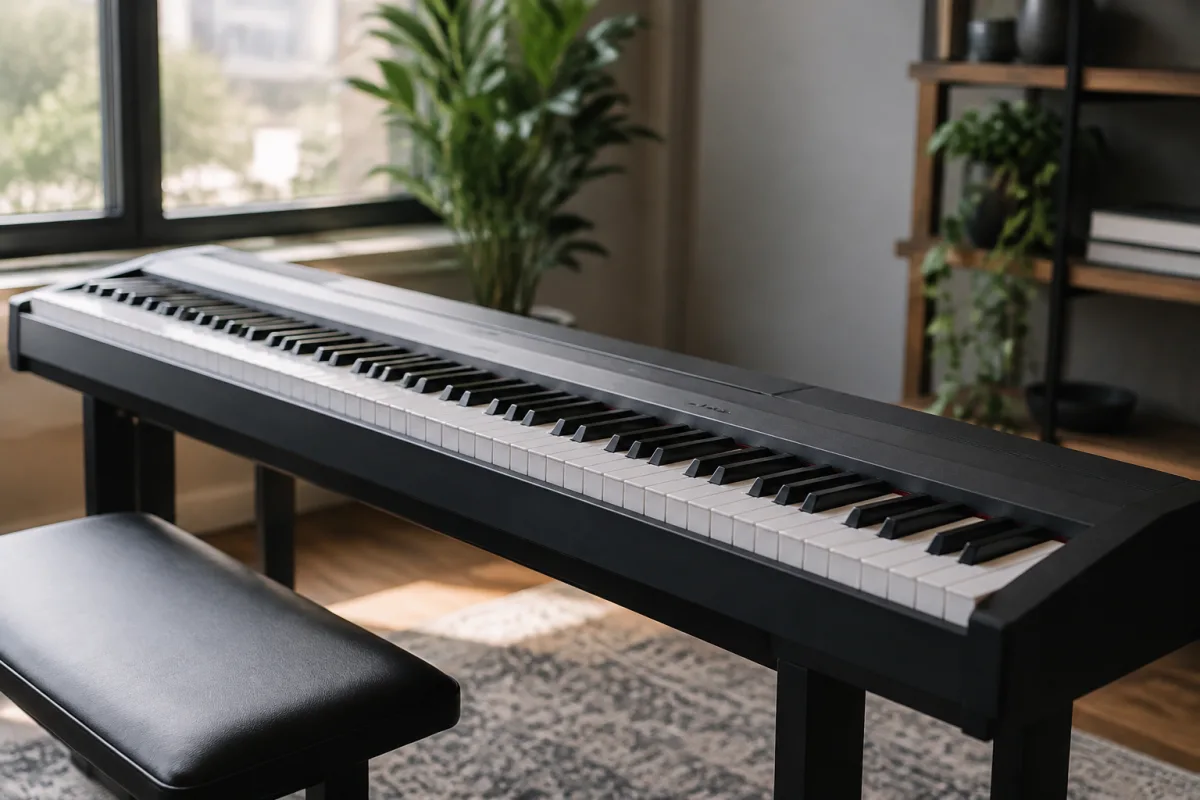
A full music keyboard with 88 weighted keys offers genuine piano touch combined with extensive sound libraries, rhythms, and recording capability. Whether you're learning piano, composing, or entertaining, a full-featured keyboard delivers professional sound and authentic playing experience without the cost, space or maintenance demands of an acoustic piano. Discover what makes these instruments essential for home musicians and how to select the right model.
Understanding Full Music Keyboards
A full music keyboard typically features 88 keys (the complete piano range), weighted hammer action that mimics piano resistance, and comprehensive onboard sounds and rhythms. Unlike lightweight portable keyboards with 61 keys, a full music keyboard provides the professional feel and expressive control serious musicians demand. This is the instrument of choice for piano learners, home composers, and gigging performers who require versatility in a portable package.
The "full" specification encompasses both physical scope (88 keys) and feature depth (sounds, accompaniment, sequencing). A full music keyboard is a complete music-making platform, not merely a piano substitute.
Key Features of Quality Full Music Keyboards
Weighted Hammer Action
Authentic weighted keys are non-negotiable. They mimic acoustic piano touch, building proper finger technique and tone control. Look for escapement—a subtle resistance at key depth that enhances piano realism. Premium full music keyboard models include sampling from concert grands; budget options use mechanical weighting. Either way, weighted action is what distinguishes a full music keyboard from toy instruments.
Sound Engine and Voices
A quality full music keyboard includes 100+ sounds: pianos, electric pianos, organs, strings, brass, percussion. Premium full music keyboard engines use multi-sampled, layered sounds that respond to velocity and dynamics. Entry-level options use synthesis or simple sampling. More voices mean more creative possibility—a full music keyboard with limited sounds restricts musical exploration.
Accompaniment and Rhythms
Many full music keyboard models include automatic accompaniment—drum patterns and bass that play when you play the left hand. This is brilliant for learners and songwriters, less relevant for classical pianists. Look for genre diversity: pop, jazz, world, electronic, classical. A full music keyboard with rhythm support transforms solo practice into band-like arrangements.
Recording and Sequencing
Modern full music keyboard instruments include MIDI recording, allowing you to capture performances and edit them on a computer. Some include onboard sequencers for multi-track recording. USB connectivity is essential—it lets a full music keyboard integrate with DAWs (Digital Audio Workstations) and music production software.
Full Music Keyboard Model Categories
| Category | Features | Best For | Price Range |
|---|---|---|---|
| Entry-Level 88-Key | Basic hammer action, 100 sounds, simple rhythm, USB MIDI | Piano learners, bedroom musicians | £400–£800 |
| Mid-Range Full Music Keyboard | Premium weighted action, 300+ sounds, advanced rhythms, effects, audio recording | Serious students, songwriters, gigging musicians | £800–£1,800 |
| Professional Workstation | Concert-grade sampling, extensive sequencing, performance controls, premium build | Professional composers, recording studios, touring musicians | £2,000–£5,000+ |
| Hybrid Stage Piano / Full Music Keyboard | Lightweight frame, premium piano sounds, live performance features, connectivity | Gigging performers, modern composers | £1,200–£3,000 |
Brand Comparison for Full Music Keyboards
Yamaha's DGX-series and PSR-series full music keyboards offer exceptional value—affordable entry points with comprehensive feature sets. Korg makes innovative full music keyboards with powerful sound engines and intuitive interfaces. Casio's Privia and CTK lines deliver budget-friendly options without sacrificing quality. Roland creates premium full music keyboards for professionals and serious amateurs. Choosing between brands often comes down to interface preference and available budget.
Choosing the Right Full Music Keyboard for Your Needs
For Learning Piano
You need authentic weighted action and quality piano sounds above all else. An entry-level full music keyboard (£400–£600) with hammer action and a handful of good pianos suffices. Accompaniment features are secondary. Look for simple, intuitive controls—complex menus distract from learning.
For Songwriting and Composition
A full music keyboard with extensive sounds, USB connectivity, and recording capability is essential. A mid-range model (£800–£1,200) balances feature depth with affordability. MIDI export lets you move recordings into a DAW for overdubbing and polishing.
For Live Performance
Your full music keyboard must be reliable, have intuitive sound-switching, and project adequately. Stage pianos (lightweight, powerful sound engines) often outperform traditional full music keyboards onstage. If you gig regularly, invest in a professional or hybrid model (£1,500+) with robust build quality.
Digital Versus Acoustic Piano
An acoustic piano delivers unmatched tone and playing feel, but costs £3,000–£5,000+, demands tuning, and occupies significant space. A full music keyboard costs less (£400–£2,000), needs no maintenance, takes less space, includes bonus sounds, and allows silent headphone playing. For home use, a full music keyboard offers exceptional value and flexibility. Professional pianists might prefer acoustic for the pure tone; amateurs and learners rarely regret choosing a full music keyboard.
Conclusion
A full music keyboard democratises piano and keyboard music-making. Whether you're learning proper piano technique, composing your first songs, or gigging weekly, there's a full music keyboard suited to your needs and budget. Modern instruments offer sound quality and feature breadth that would have astounded musicians a decade ago. Invest in weighted action and USB connectivity, then explore the vast palette of sounds and rhythms. A full music keyboard opens doors to musical expression without the space, cost, or maintenance demands of acoustic alternatives.


Comments