
Childs Keyboard article
The Complete Guide to Childs Keyboard
A quality child's keyboard transforms musical learning from abstract challenge into immediate, rewarding play—choose one with genuine sound quality, responsive keys, and durability that survives years of practice.
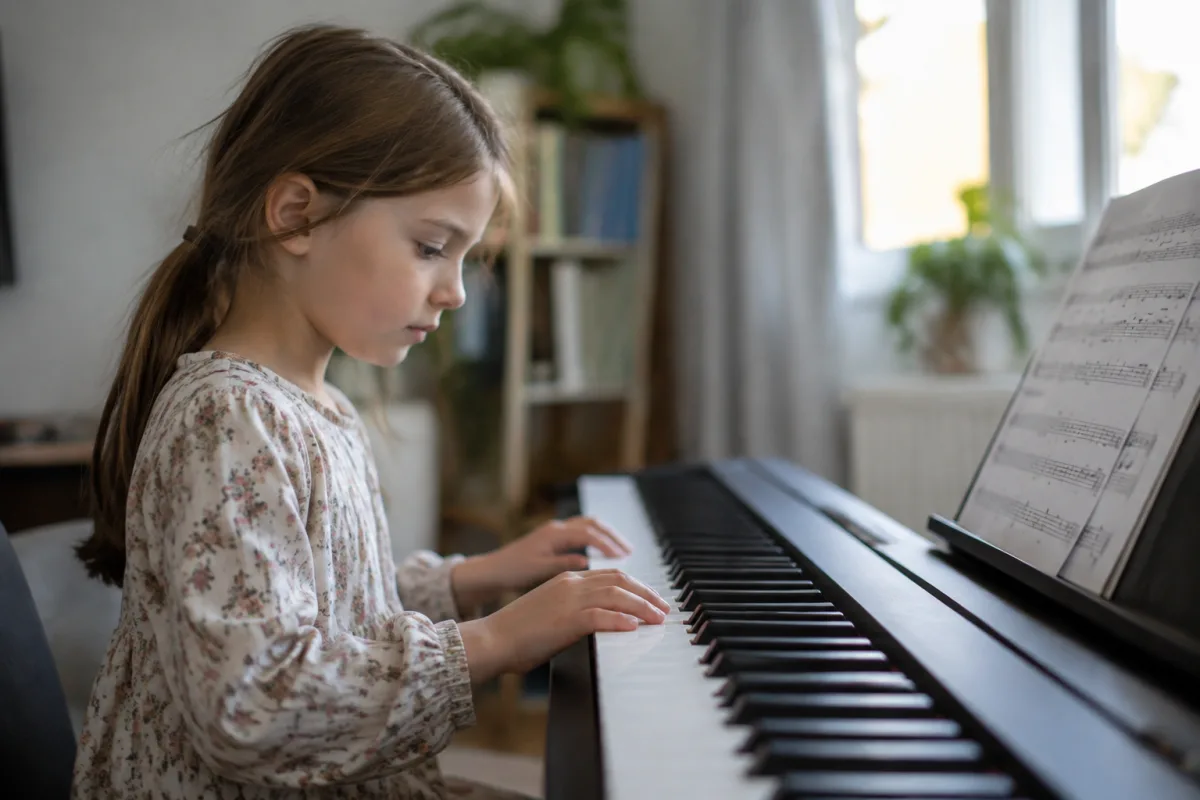
A child's keyboard isn't simply a smaller piano—it's a gateway instrument designed specifically to build confidence and spark genuine musical interest. Whether your child is exploring music for the first time or returning to something they've touched before, the right keyboard can transform learning from a chore into authentic play. The best models balance affordability with genuine sound quality, accessibility with enough depth to grow into, and durability that survives the inevitable learning bumps along the way.
Why Keyboard for Children?
Piano or keyboard study offers foundational benefits that transfer across all music. Reading staff notation becomes second nature. Understanding music theory feels intuitive rather than abstract. Hand independence and coordination develop naturally through practice. More importantly, a child's keyboard is immediate—press a key, hear a note. That instant feedback is psychologically powerful for young learners. Unlike learning saxophone or violin, where producing even an acceptable tone requires considerable technique, a child's keyboard rewards effort immediately, building confidence that encourages continued practice.
Portability matters too. A full-size acoustic piano demands dedicated space, climate control, and professional tuning. A quality child's keyboard fits in a small corner, requires no maintenance beyond the occasional wipe, and can travel between homes or classrooms without concern. That accessibility removes practical barriers that prevent many children from exploring music.
Key Features for a Child's Keyboard
Size and weight are foundational. A child's keyboard designed for ages 4 to 8 typically measures around 50 to 60 centimetres and weighs just a few kilograms. Proportions matter—a keyboard designed for small hands prevents frustration and strain. Keys should feel responsive but not require heavy pressure. Children develop finger strength gradually, and a keyboard that demands excessive force discourages rather than encourages practice.
Touch sensitivity (velocity sensitivity) transforms a child's keyboard from toy to learning instrument. When touch matters, softer playing produces quieter notes and harder playing produces louder notes—exactly like an acoustic piano. This teaches proper technique from day one. Entry-level children's keyboards often lack this feature, but it's worth seeking in any model intended for genuine study.
Sound quality matters more than you might expect. A child's keyboard with thin, tinny sounds actually discourages practice because musical satisfaction is absent. Quality samples of acoustic pianos, strings, and instruments inspire continued engagement. The keyboard doesn't need professional-grade sounds (that would be overkill and expensive), but genuine, pleasant tones make learning feel rewarding rather than frustrating.
Keyboard Size and Scale
Smaller keyboards with 37 or 49 keys work for young children, particularly ages 4 to 7. They're proportional to smaller hands and less overwhelming than full 88-key instruments. However, if serious study is intended, progression to 61 or 88 keys becomes necessary relatively quickly. Many families compromise by choosing 61-key models—large enough to not feel outgrown within a year or two, yet manageable for children aged 6 and upward.
Full 88-key keyboards (matching acoustic piano dimensions) are appropriate for children aged 9 and above or those with hands large enough to span octaves comfortably. An 88-key child's keyboard is more expensive and less portable than smaller options, but it eliminates the need for future upgrading if serious piano study is planned.
Built-In Drum Patterns and Learning Features
Many children's keyboards include drum accompaniment patterns—your child plays melody whilst the keyboard provides rhythm section backing. This feature is genuinely valuable for maintaining interest and building sense of musicality. The drums aren't sophisticated, but hearing your playing supported by rhythm makes practice feel less solitary and more like actual music-making.
Some models include demo songs, light-up keys that guide playing, or interactive lessons built into the keyboard itself. Light-up key features are genuinely helpful for beginners—they provide visual guidance without replacing actual note-reading. Interactive lessons vary widely in quality; some are genuinely useful, whilst others are merely distracting toys. Prioritise model recommendations from music teachers familiar with the specific keyboard rather than trusting marketing claims.
Recording Capability
Basic recording features let children capture their playing, listen back, and hear progress over time. This is psychologically powerful—most children love hearing themselves improve. A child's keyboard with simple one-track recording (you play, listen back, then erase and re-record) is more useful than elaborate sequencing features that distract from actual playing. Multi-track recording is unnecessary for young learners and adds complexity that discourages rather than helps.
Connectivity and Learning Tools
USB connectivity or MIDI output lets a child's keyboard connect to computers and learning software. Apps designed for keyboard learning can be valuable supplements to face-to-face instruction, but they're supplements, not replacements. A child's keyboard that supports MIDI integration with software like Synthesia or standard music notation programs enables learning possibilities without demanding expensive specialist equipment.
Bluetooth connectivity is less critical for children's learning but valuable for listening to the keyboard through wireless speakers or headphones without tangled cables. Simplicity here matters—seek straightforward pairing rather than complex wireless protocols.
Durability and Build Quality
Children are rough on equipment. A quality child's keyboard features solid plastic construction (not flimsy, creaky materials), secure key mechanisms that survive repeated use, and robust power supplies. Budget models often sacrifice durability to reduce cost, leading to disappointed children and wasted money when equipment fails within months. Invest in models from reputable manufacturers known for quality—Yamaha, Roland, Korg, and Casio all produce reliable children's keyboards that survive typical childhood conditions.
Warranty coverage varies, but extended warranty protection is worth considering. Children's instruments are investment products—a $200 keyboard lasting 5+ years is far better value than a $80 model failing after 12 months.
Choosing Between New and Second-Hand
Second-hand children's keyboards are often excellent value—previous owners typically kept them in good condition, and depreciation means lower purchase price. However, verify that all keys function properly, that the power supply works, and that sound quality meets your expectations. Some wear is normal; keys that stick or respond sluggishly are red flags indicating heavy use.
New keyboards offer manufacturer warranty, the assurance that you're getting full functionality, and access to product support if issues arise. For first-time purchases where you're uncertain about durability expectations, buying new provides peace of mind.
Budget Considerations
Quality children's keyboards range from roughly £80 to £400+ depending on features, brand, and intended use. Budget models (under £150) work for casual exploration but often lack touch sensitivity and employ thin sound quality that discourages engaged practice. Mid-range options (£150 to £300) balance features, sound quality, and durability—excellent value for families exploring whether serious study is likely.
Premium models (£300 to £500+) add weighted keys, sophisticated sounds, and learning features approaching entry-level professional keyboards. These suit families committed to genuine music education and expect the keyboard to last through years of study.
The Role of Instruction
A child's keyboard is a tool, not a complete music education. Face-to-face instruction with a qualified teacher accelerates learning, prevents technique mistakes that are painful to unlearn later, and provides motivation through regular feedback. Quality keyboards support good teaching; they don't replace it. Even just 15-20 minutes weekly with a teacher, combined with regular practice on your child's keyboard at home, yields remarkable progress.
That said, many children benefit from casual keyboard exploration before committing to formal lessons. A child's keyboard in the home allows free experimentation, natural curiosity, and self-directed learning that builds confidence before instruction begins.
The Beginning of a Musical Journey
A child's keyboard is often a child's first genuine musical instrument—the beginning of a relationship with music that may span a lifetime. Choose thoughtfully, prioritise playability and sound quality over feature quantity, and invest in durability. Your child's keyboard will become a trusted companion through countless hours of learning, discovery, and genuine joy. That's worth getting right from the start.


Comments