
Childrens Keyboard Piano article
The Complete Guide to Childrens Keyboard Piano
A children's keyboard piano introduces young musicians to keyboard learning with appropriately-sized keys, manageable cost, and features that support early musical exploration and development.
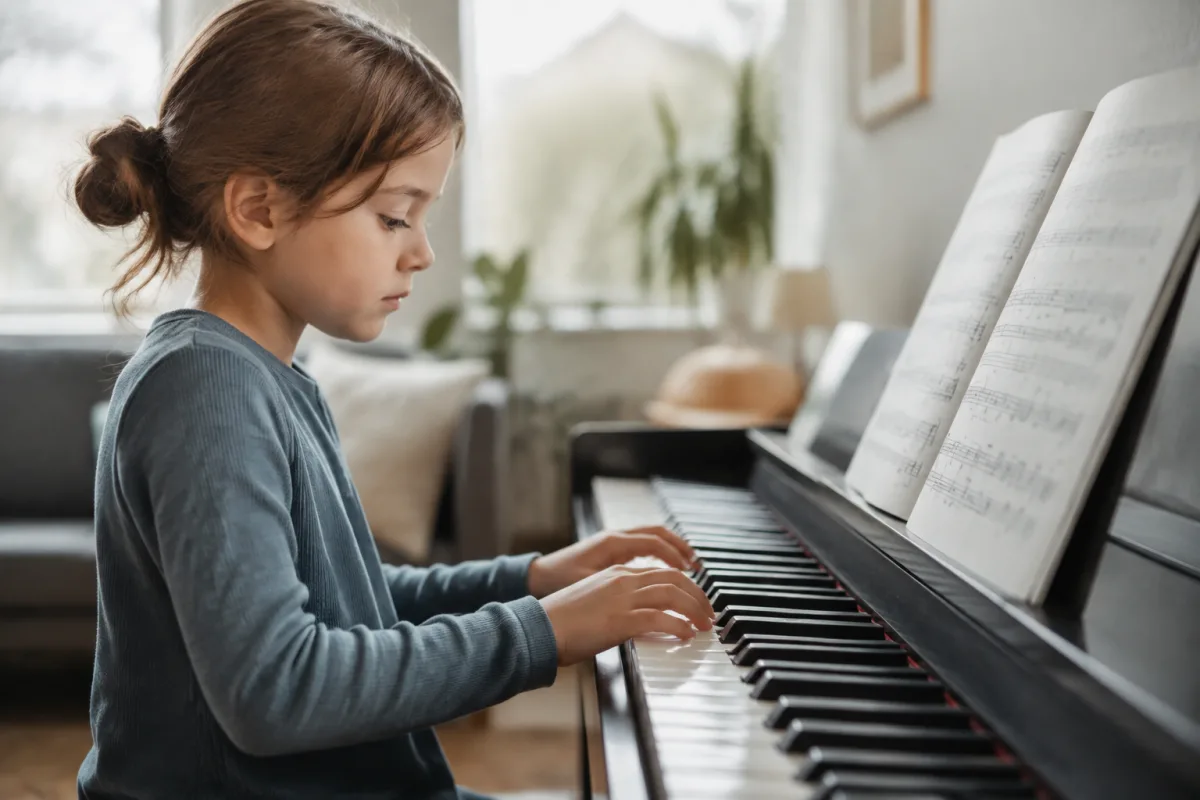
Choosing a children's keyboard piano is one of the most important decisions a parent can make to support a young musician's development. Whether your child is showing early musical interest or you want to introduce keyboard skills, selecting an appropriate children's keyboard piano determines how enjoyable, accessible, and productive early musical study becomes. This complete guide explores what makes children's keyboard pianos suitable for young learners, key features to look for, and how to choose an instrument that grows with your child.
What Is a Children's Keyboard Piano?
A children's keyboard piano is a scaled-down or child-friendly electronic keyboard instrument designed specifically for young learners. These instruments feature smaller keys or lighter key action, lower cost, and features that encourage practice and musical exploration. Unlike full-size pianos or weighted 88-key keyboards designed for adult use, children's keyboards are physically accessible to small hands and financially reasonable for families unsure whether musical study will become long-term interest.
Quality children's keyboards provide authentic piano sounds and weighted key action (or semi-weighted keys), helping young learners develop proper finger technique that transfers to full-size pianos or professional keyboards later. Budget children's keyboards may sacrifice key quality for affordability but can still serve as effective learning tools if they remain playable and engaging.
Types of Children's Keyboard Pianos
Children's keyboard options vary significantly in size, features, and learning support:
Mini-Key Keyboards (36–49 Keys)
The most compact option, mini-key keyboards feature smaller keys suitable for younger hands (approximately ages 3–8). These instruments are portable, affordable (typically £30–100), and excellent for introducing keyboard concepts. However, the compact key size doesn't develop finger technique suited to full-size keyboards, making mini keyboards a temporary stepping stone rather than a long-term learning instrument.
Standard 61-Key Keyboards
The most popular choice for children ages 6–10, 61-key keyboards offer enough range for learning melodies and basic pieces without the cost and bulk of full-size pianos. These keyboards (typically £80–300) provide more authentic learning than mini-key versions while remaining financially accessible. Many quality 61-key keyboards feature light key action and built-in learning features like rhythm accompaniment and demonstration songs.
Weighted 88-Key Keyboards and Digital Pianos
Once children demonstrate sustained musical interest and are old enough for proper finger positioning (typically age 7 or older), weighted 88-key keyboards or digital pianos become appropriate. These instruments cost £300–2000+ but provide authentic piano technique development. Weighted keys simulate acoustic piano resistance, helping young pianists develop proper finger strength and control. For serious music study, weighted keyboards are worthwhile investment that supports long-term development.
Portable Keyboards with Teaching Features
Many manufacturers offer children's keyboards emphasising fun, engagement, and learning support. These instruments often feature colourful designs, built-in songs, light-up keys showing which notes to press, and simple games that make practice enjoyable for younger learners. These teach-mode keyboards (typically £50–200) are excellent for keeping young children engaged during early musical exploration.
Key Features for Children's Keyboard Pianos
When evaluating children's keyboards, prioritise these features:
Authentic Piano Sounds
The keyboard should include quality piano voices. Even young learners benefit from realistic piano sounds that motivate continued practice. Avoid keyboards with exclusively synthesised or artificial sounds that don't provide satisfying musical feedback.
Touch-Sensitive Keys
Quality children's keyboards respond to playing dynamics—pressing keys harder produces louder sounds. Touch sensitivity develops proper finger technique and makes playing musically expressive rather than mechanically uniform.
Appropriate Key Action
Younger children (6–8) do well with unweighted or lightly weighted keys that require minimal finger strength. As children grow and develop finger strength, semi-weighted or fully weighted action becomes beneficial. Avoid keyboards with completely flat, button-like keys that don't develop proper finger positioning.
Appropriate Size and Portability
The keyboard should fit your home's space and allow transport if taking lessons elsewhere. Portable stands or built-in stands should be sturdy and stable, preventing tipping during enthusiastic playing.
Quality Sound Output
Internal speakers should produce clear, pleasant sound. Thin, tinny speakers discourage practice because playing sounds unpleasant. Keyboards accepting headphone outputs allow private practice without family disruption.
Learning Features (if Desired)
Light-up keys, demo songs, rhythm accompaniment, and learning modes appeal to younger learners and support independent practice. However, teaching-mode features should be optional—skilled young musicians outgrow them quickly, and quality pianos don't require them.
Choosing the Right Children's Keyboard Piano
Several factors guide appropriate selection:
Child's Age and Hand Size
Younger children (3–6) need smaller keys and lighter action. Standard 61-key keyboards suit ages 6–10. Older children (10+) benefit from full-size weighted keyboards if serious about music study.
Expected Duration and Commitment
If your child is tentatively exploring music, a quality 61-key keyboard (£100–200) provides good learning experience without excessive investment. If your child demonstrates sustained musical interest, investing in a weighted keyboard (£300+) supports better technique development and provides years of use.
Available Space
Mini-key and 61-key keyboards fit small spaces. Full-size keyboards require dedicated floor space or sturdy dedicated stands.
Budget Considerations
Quality children's keyboards at every price point are available. A £150 quality 61-key keyboard outperforms a £300 cheaply-built option. Prioritise key action quality and sound over flashy features and excessive bells-and-whistles.
Common Mistakes in Choosing Children's Keyboards
Parents often make predictable errors when selecting children's instruments:
- Choosing Oversized Instruments: Full-size keyboards for young children frustrate learners because keys are too far apart for small hands. Appropriately-sized keyboards are essential.
- Prioritising Features Over Quality: Teaching modes and colourful designs appeal to children initially, but low-quality key action and tinny sounds discourage serious practice. Prioritise playability and sound quality.
- Assuming Your Child Won't Stick With Music: Budget considerations matter, but extremely cheap keyboards often frustrate learners and get abandoned. Quality instruments at moderate price points (£100–200) provide excellent value.
- Ignoring Key Action: Light, unresponsive keys don't develop proper technique. Touch-sensitive, appropriately-weighted keys are worth the additional investment.
Supporting Young Keyboard Learning
The keyboard itself matters less than consistent practice and encouragement. Quality teaching, regular practice time, and genuine support for musical exploration produce skilled young musicians regardless of starting instruments. A good children's keyboard piano combined with encouragement, possibly lessons, and regular practice creates the ideal foundation for musical development.
Conclusion
A quality children's keyboard piano is an excellent investment in your child's musical development, providing accessible entry into keyboard learning and setting the stage for lifelong musical enjoyment. Whether choosing a playful 61-key keyboard for young explorers or a weighted 88-key digital piano for serious young musicians, prioritising playability, authentic sound, and appropriate sizing creates the ideal foundation for successful musical study. Paired with encouragement and regular practice, a well-chosen children's keyboard piano becomes a cherished instrument that introduces your child to the joy and satisfaction of making music.


Comments