
Casio Piano Keyboard article
The Complete Guide to Casio Piano Keyboard
Casio piano keyboards bring authentic piano playing experience within reach of every musician. Discover how to choose the perfect model for learning, practise, or performance.
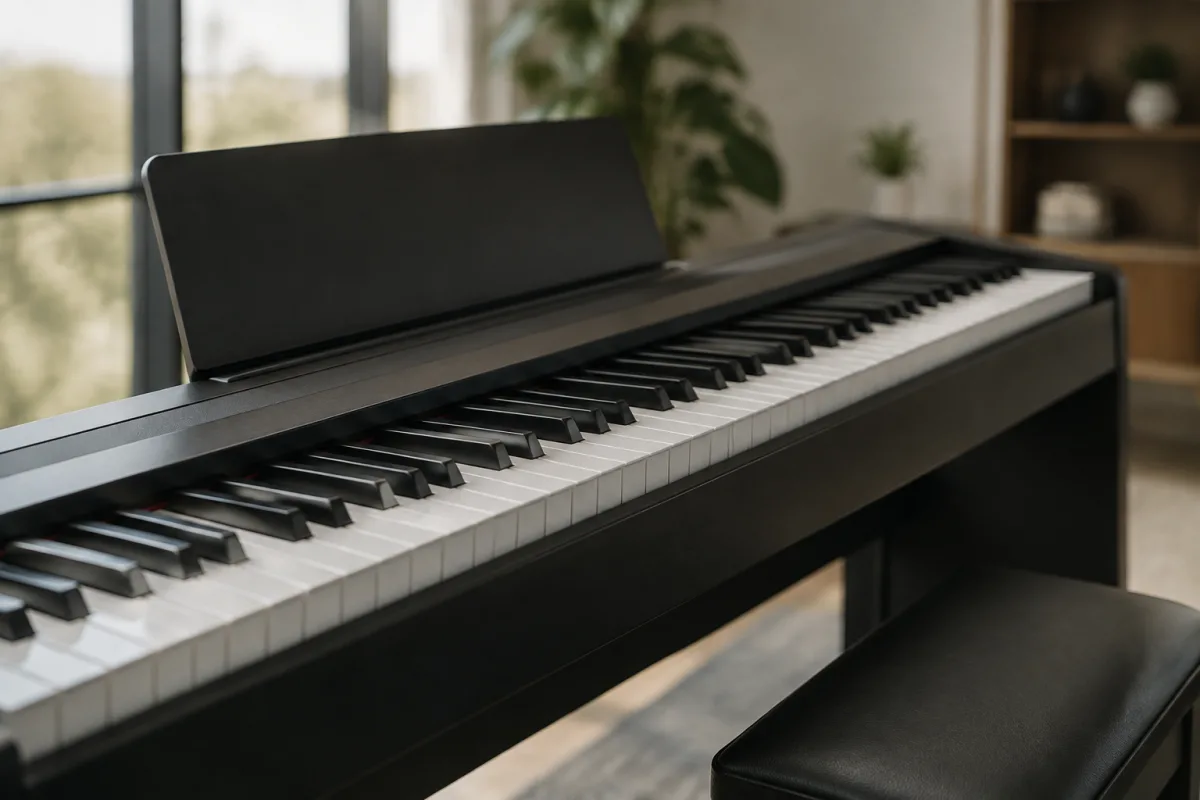
Casio piano keyboards have become synonymous with affordable, accessible music-making for both beginners and experienced musicians. Whether you're looking to start learning keyboard or you need a reliable portable instrument, Casio offers a range of models that balance quality, affordability, and genuine playability. This guide explores what makes Casio piano keyboards stand out and how to choose the right model for your needs.
Why Casio Keyboards Matter for Musicians
Casio has spent decades perfecting the art of bringing quality instruments to musicians at every budget level. Their piano keyboards combine authentic weighted action, realistic sound samples, and practical features without the five-figure price tag of concert grand pianos. For aspiring musicians, hobby players, and even professionals seeking a second instrument, Casio delivers remarkable value.
The brand's reputation rests on consistent build quality and genuine playability. Casio keyboards respond like real pianos, with weighted keys that simulate the hammer action of acoustic instruments. This makes practising on a Casio keyboard productive for developing proper technique—something essential when transitioning to a full-size piano later.
Understanding Casio Piano Keyboard Action Types
The feel of a keyboard's keys is fundamental to the playing experience. Casio offers several action types across their product range:
- Standard action — lightweight, spring-based keys suited for synth-style playing and casual use. Found on budget models, these are responsive but don't simulate piano touch.
- Scaled hammer action — Casio's step up, with individually weighted keys that feel heavier in the bass and lighter in the treble, mimicking real piano mechanics. Excellent for pianists practising at a fraction of the cost.
- AiR sound technology — Casio's premium sound engine that captures the complex resonance and subtle tonal characteristics of high-end grand pianos. Combined with weighted action, this creates a deeply realistic playing experience.
Entry-level models feature basic action, whilst mid-range and professional Casio keyboards use scaled hammer systems. If you're serious about piano technique, scaled hammer action is non-negotiable—it trains your fingers correctly and feels close to what you'll encounter on acoustic pianos.
Key Features to Look For
When evaluating a Casio piano keyboard, several features distinguish good models from exceptional ones:
| Feature | Why It Matters |
|---|---|
| Polyphony (simultaneous notes) | Higher polyphony means richer, more complex sounds. 128 notes is standard; lower can cause note dropout in layered playing. |
| Piano voice quality | The core piano sound is what you'll use most. Casio's AiR technology reproduces grand piano tone authentically. |
| Built-in recording | Capture your performances or layer different voices. Useful for practise and composition. |
| USB and MIDI connectivity | Connect to computers, recording software, and other gear. Expands creative possibilities significantly. |
| Pedals | A sustain pedal is essential for authentic piano playing. Three-pedal systems on premium models offer damper, soft, and sostenuto functions. |
Popular Casio Piano Keyboard Models
Casio's range spans from compact portables to full-featured stage keyboards. Here's where key models sit:
Budget-friendly entry point: The Casio Privia PX-160 combines affordability with genuine playability. Its compact size and lightweight construction make it ideal for students and bedroom musicians. The touch is surprisingly responsive for the price, though the action lacks the full hammer mechanics of pricier models.
Solid mid-range choice: Models like the Casio Privia PX-770 offer scaled hammer action, richer sound variety, and better build quality. These keyboards represent the sweet spot for serious hobbyists and practising pianists who want authentic feel without a substantial investment.
Premium home studio: The Casio Grand Hybrid series blends full 88-key weighted action with top-tier sound and design. These are genuinely impressive instruments—some musicians prefer them to budget acoustic pianos, and they're substantially cheaper than the latter whilst remaining compact.
Casio also manufactures stage keyboards for professional touring musicians, though these venture beyond the piano keyboard category and into full synthesiser territory.
Sound Quality and Sampling
Modern Casio piano keyboards sample recordings from real grand pianos, processing them through advanced algorithms to capture subtleties like string resonance and cabinet colouration. The quality varies by model. Entry-level units sound adequate but slightly processed; premium Casio keyboards with AiR technology sound remarkably close to real pianos.
Beyond the main piano voice, Casio keyboards include electric piano sounds (Rhodes, Wurlitzer styles), organ voices, and various other instruments. These add versatility if you want to experiment with different tones, though the piano voice is what matters most for learning.
Portability vs. Staying Power
A major advantage of Casio piano keyboards is their portability. Most models weigh between 25 and 65 kilograms, far lighter than acoustic pianos. This makes them practical for:
- Moving between practice rooms or rehearsal spaces
- Performing at gigs or busking
- Fitting into flats or small spaces where a real piano is impossible
- Travelling musicians who need a reliable instrument on the road
Portability shouldn't mean compromised stability, though. Casio keyboards sit securely on their stands and maintain consistent feel and sound whether you're practising at home or on stage.
Connectivity and Modern Features
Casio recognises today's musicians often work with computers and recording software. Current models include:
- USB audio and MIDI: Connect to a DAW (Digital Audio Workstation) for recording and production.
- Bluetooth (on newer models): Wireless connection to tablets and smartphones for learning apps or backing tracks.
- Headphone outputs: Silent practise without disturbing others.
- Audio line-out: Connect to amplifiers or mixers for performances.
These features transform a Casio keyboard from a standalone instrument into a hub for modern music-making.
Price and Value Proposition
Casio's pricing typically breaks down as follows:
- Budget models (£300–£600): Ideal for absolute beginners. Good sounds, lighter action, limited features.
- Mid-range (£600–£1,200): Weighted action, better build, richer feature set. Sweet spot for most serious learners.
- Premium (£1,200+): Full hammer action, sophisticated sounds, premium connectivity. Comparable in feel to budget acoustic pianos.
For the price, Casio keyboards offer exceptional value. A comparable weighted keyboard from other brands often costs significantly more, and the build quality is reliable—many models from a decade ago are still in active use.
Maintenance and Longevity
Casio keyboards require minimal maintenance compared to acoustic pianos. No tuning, no humidity concerns, no felt hammer replacement. The main care points are:
- Occasional cleaning with a soft, dry cloth
- Avoiding extreme temperatures and moisture
- Keeping the keyboard on a stable stand
- Checking cable connections periodically
With basic care, a Casio keyboard lasts 10–15 years or more. The digital nature means no degradation of sound over time—it sounds as good in year ten as it did in year one.
Conclusion
Casio piano keyboards represent an intelligent choice for anyone serious about learning keyboard or piano without the expense and space demands of a full acoustic piano. The combination of weighted action, authentic sound, portability, and affordability makes them genuinely competitive with far more expensive alternatives. Whether you're starting out, looking for a second instrument, or setting up a home studio, a Casio keyboard deserves consideration. The brand's decades of keyboard expertise shine through in every model, making quality and playability something you can depend on, not worry about.


Comments