


2 Hand Keyboard Buying guide
2 Hand Keyboard: A Complete Buyer's Guide
Learn how to choose a 2 hand keyboard. Compare weighted action, sound libraries, dual vs single configurations and avoid common mistakes.
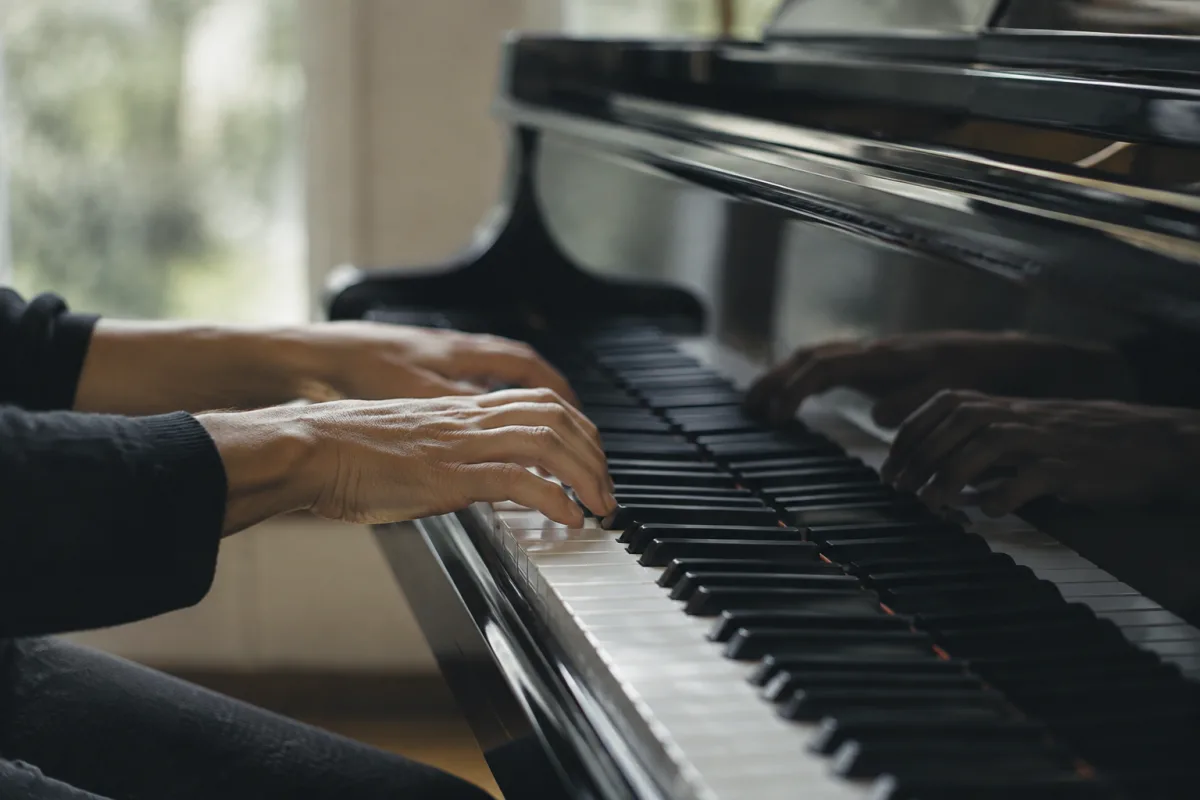
Selecting a two-hand keyboard for playing both melody and accompaniment simultaneously represents an important decision for musicians developing intermediate to advanced skills. Whether you're transitioning from single-hand instruments or expanding your capabilities, understanding what distinguishes quality two-hand keyboards across various price tiers helps you invest confidently in an instrument supporting your musical development. This comprehensive buying guide examines the specifications, features, and considerations that should inform your two-hand keyboard purchase decision.
Understanding Two-Hand Keyboard Configurations
Two-hand keyboards accommodate simultaneous left and right hand playing with independent controls for each manual. Unlike single-keyboard configurations limiting one hand to accompaniment rhythms, a proper two-hand keyboard permits full musical expression. Some models feature two separate keyboards mounted on a single stand, whilst others incorporate dual-zone configurations on a single keyboard surface dividing the range into distinct regions.
The keyboard length varies significantly across two-hand keyboard options. Full 88-key models match acoustic piano standards, providing complete freedom for traditional piano technique and repertoire. 76-key alternatives offer practical compromise between portability and functionality, whilst smaller 61-key options prioritise space-efficiency at the cost of tonal range limitation.
Essential Specifications and Features
Keyboard action represents the single most important consideration when evaluating two-hand keyboards. Weighted hammer action mechanisms simulate acoustic piano touch, requiring progressively increased finger pressure for higher velocity sounds. Quality two-hand keyboards with hammer action develop proper technique applicable to acoustic piano playing. Unweighted keyboards respond to minimal pressure, permitting rapid playing but failing to build realistic technique.
Sound library quality distinguishes budget from premium two-hand keyboards dramatically. Entry-level models offer synthetic, uninspiring sounds limiting musical expression. Mid-range two-hand keyboards deliver quality sampled sounds rewarding expressive playing. Professional-grade instruments provide extensive libraries of authentic instrument sounds supporting serious musicians and studio applications.
Polyphony—the number of simultaneous notes a keyboard can produce—becomes critical when playing two-hand arrangements requiring complex textures. Budget two-hand keyboards may support only 32-64 notes simultaneously, cutting off lower notes when higher note counts are exceeded. Premium models support 128+ simultaneous voices preventing note-dropping during dense passages.
Connectivity options determine integration with computers and external equipment. Modern two-hand keyboards should offer USB, MIDI, and audio outputs for recording and performance applications. Verify these features match your intended workflow before purchasing any two-hand keyboard.
Single versus Dual Keyboard Systems
Single-surface two-hand keyboards with divided zones offer space efficiency and simpler setup but limit physical separation between hands. Dual-keyboard two-hand systems provide distinct separate keyboards, permitting greater independence and traditional orchestral instrument configurations.
| Configuration Type | Space Requirements | Setup Complexity | Playing Flexibility | Cost Range |
|---|---|---|---|---|
| Single 88-key two-hand | Large | Minimal | Good for piano | £800-1500 |
| Dual-keyboard system | Very large | Moderate | Excellent | £2000+ |
| 76-key two-hand | Moderate | Minimal | Good | £600-1200 |
| Keyboard with split zones | Moderate | Minimal | Fair | £500-1000 |
Consider your available space, intended repertoire, and performance requirements when choosing between configurations. Traditional classical piano players benefit from full 88-key weighted systems. Electronic musicians and producers may prefer compact options with extensive sound libraries.
Build Quality and Materials
Cabinet construction significantly impacts durability and appearance. Premium two-hand keyboards employ solid wood or quality composite materials resistant to warping or damage. Budget alternatives may use thin plastics prone to cracking, particularly if transported frequently. Examine cabinet construction carefully, preferring weight and solid construction over lightweight plastic designs.
Keyboard surface quality affects playability and longevity. Quality keybeds should feel responsive without exhibiting excessive vertical play between key rows. Run your fingers across multiple keys, verifying smooth, consistent action throughout the keyboard. Premium two-hand keyboards show superior consistency and refinement.
Price Tiers and Value Assessments
| Price Range (GBP) | Size | Key Features | Best For |
|---|---|---|---|
| £300-600 | 61-key | Basic two-hand zones, limited sounds, simple action | Casual players, first two-hand experience |
| £600-1000 | 76-key | Quality sounds, weighted action, improved build | Serious hobbyists, intermediate players, home studios |
| £1000-1500 | 88-key | Hammer action, premium sounds, full range, professional build | Classical musicians, recording studios, professionals |
| £1500+ | Dual or 88-key | Dual keyboards, professional sounds, extensive connectivity | Professional performers, orchestral arrangements, studios |
Budget two-hand keyboards under £600 serve introductory purposes adequately, though compromises in action quality and sound selection become apparent with extended use. Mid-range options between £600-1000 deliver substantial improvements in playing feel and sonic quality justifying the investment for serious players. Professional-level two-hand keyboards above £1000 support touring, recording, and advanced compositional work.
Common Purchasing Mistakes
Overlooking action quality represents a critical mistake. Cheap two-hand keyboards with unweighted keys develop poor playing habits incompatible with acoustic piano or advanced techniques. Prioritise weighted hammer action even if it requires increasing your budget.
Underestimating space requirements leads to buyer's remorse. Measure proposed installation spaces carefully before purchasing. A two-hand keyboard stand requires more space than single-keyboard setups. Ensure adequate room for comfortable seated playing without cramped positioning.
Neglecting sound quality assessment tempts cost-conscious buyers. A two-hand keyboard with mediocre sounds discourages musical expression regardless of mechanical quality. Prioritise sound library quality equally with action characteristics.
Assuming all weighted keyboards provide identical feel ignores significant variations. Different manufacturers employ different action mechanisms producing noticeably different playing experiences. Evaluate multiple two-hand keyboards when possible before committing to purchase.
Making Your Selection
Assess your current skill level and musical ambitions realistically. Beginners benefit from affordable 61-key systems while developing fundamental skills. Intermediate musicians should invest in 76-key models with quality weighted action. Professional players require full 88-key or dual-keyboard configurations supporting complete musical expression.
Play multiple two-hand keyboard models in your budget range before deciding. Different instruments feel and sound distinctly different despite similar specifications. Physical hands-on experience reveals preferences invisible on paper.
For broader perspective on two-hand keyboards and their musical applications, explore the complete guide to two-hand keyboards.
Conclusion
Selecting a two-hand keyboard requires balancing budget against desired playing quality, sound authenticity, and physical space requirements. By systematically evaluating keyboard action, sound library depth, build construction, and available configurations, you'll identify a two-hand keyboard matching your needs and supporting years of musical development. Whether you invest in affordable entry-level options or professional-grade systems, prioritising touch responsiveness and sound quality ensures your two-hand keyboard choice provides genuine long-term value regardless of price tier.



Comments