
Digital Piano Keyboard Stand article
The Complete Guide to Digital Piano Keyboard Stand
A proper digital piano keyboard stand is invisible—it just works, supports your instrument, and lets you focus on playing. Choose one that matches your needs and budget.
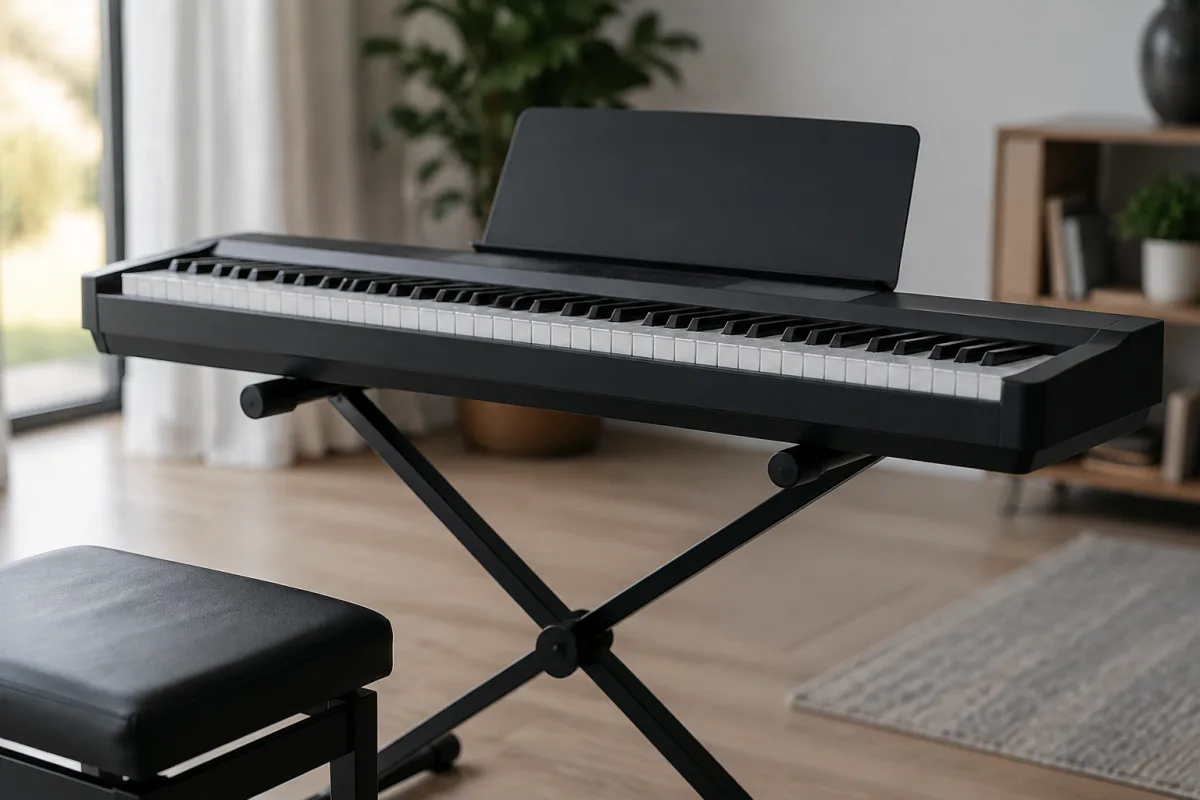
A digital piano keyboard stand isn't sexy. It's not the sort of thing you buy because you're desperate to, it's the sort of thing you buy because you need to. And here's the thing: get it right, and your life becomes dramatically easier. Get it wrong, and you're either hunching over an uncomfortable ergonomic nightmare or watching your precious keyboard slip down mid-set. I've seen both happen. A good digital piano keyboard stand is invisible—you don't think about it because it just works, supports your instrument properly, and lets you focus on playing.
Why a Proper Stand Matters
Your digital piano is an investment. Treat it like one. A flimsy stand risks damage to your keyboard and, more importantly, damages your playing posture and performance. When the stand is the right height, at the right angle, your arms sit comfortably, your shoulders stay relaxed, and your fingers hit the keys without strain. Play on a poorly positioned keyboard for two hours and you'll understand immediately why this matters. Your back will tell you all about it the next morning.
Beyond comfort, a proper stand keeps your keyboard secure. Most digital pianos have a decent weight to them—somewhere between 10 and 20 kilograms depending on the model. You want something that holds that confidently, not something that wobbles or shifts mid-performance. And if you're gigging, you want something portable that survives the rigours of being transported in a van repeatedly.
Types of Digital Piano Keyboard Stands
There are several approaches to supporting your digital piano, each with distinct advantages:
- X-Frame Stands: The classic choice, simple and portable. An X-shaped metal frame folds down for transport. They're lightweight, affordable, and suit most portable keyboards. The trade-off is that they're less stable than other options, particularly under aggressive playing.
- Z-Frame Stands: A Z-shaped profile offers better weight distribution and improved stability compared to X-frames. They're still portable but more robust for professional gigging.
- Double-Braced Stands: Heavy-duty construction with double cross-bracing underneath. These are rock-solid. If you're serious about your keyboard work, this is what you want. Trade-off: weight and portability.
- Furniture Stands: Purpose-built keyboard furniture, essentially a shelf or cabinet. Excellent stability and aesthetics but heavy and permanent—these stay put.
- Dedicated Keyboard Stands: Some manufacturers produce stands specifically designed for their keyboards. Often the best fit, though more expensive and less flexible if you change keyboards.
Most gigging musicians gravitate toward Z-frame or double-braced stands because they handle the abuse of regular transport and setup. Studio players often prefer heavier furniture stands for their permanence and superior ergonomics.
Height and Adjustability
Height is everything. Your keyboard should sit so your arms are roughly parallel to the floor when you're sitting, hands on the keys. Too high and you're hunching your shoulders. Too low and you're straining your wrists and back. A good stand offers adjustable height, usually within a range of 20–30 centimetres. If you're playing seated (which you almost certainly are), aim for a height between 70 and 75 centimetres from floor to keyboard top.
Some stands offer angle adjustment as well. This is useful if you prefer a slight tilt, either toward you for a more intimate feel or away for a different touch sensation. It's a refinement, but one worth having if your budget allows.
Stability and Support Width
A digital piano stand should feel rock-solid when you're playing, particularly if you're an aggressive player. Look for a stand that offers good support width—the wider the base, the more stable it is. A narrow, flimsy stand that wobbles when you dig into the keys is worse than useless; it's distracting and potentially damaging.
The actual support mechanism matters too. Some stands grip the keyboard from underneath; others have a shelf design. Underneath support is generally superior for stability, as it allows the weight to press down rather than sit precariously. Check the weight rating of any stand you're considering; it should comfortably exceed your keyboard's weight.
Portability vs. Permanence
If you're gigging regularly, portability is essential. A lightweight stand that folds down and fits in a gig bag is non-negotiable. X-frames and Z-frames are your best friends here. If you're playing in a dedicated space—studio, rehearsal room, or home setup—you can afford to favour stability and ergonomics over portability. A heavy double-braced stand or keyboard furniture becomes your wise choice.
There's also a middle ground: stands that are reasonably portable but still quite robust. These cost a bit more but offer genuine flexibility if you play both gigs and stationary work.
Budget Considerations
You can find basic keyboard stands for under £50. You can also spend £200 or more on premium stands. Here's my take: spend enough to get something stable and adjustable that suits your use. A cheap, flimsy stand is a false economy. You'll replace it within a year, frustrated with its limitations. A mid-range stand in the £80–150 bracket will serve you faithfully for years, whether you're playing bedrooms or venues. If you're absolutely committed to professional work, invest in a quality heavy-duty stand and never regret it.
The Details That Matter
Check the locking mechanisms—do they actually stay locked, or does the stand gradually collapse during a set? Examine the padding where the keyboard sits; it should be substantial enough to protect your instrument. Look at the cable management; a good stand offers somewhere to route your power and MIDI cables neatly. Consider the footprint: does it fit comfortably in your space? Can you comfortably reach the keyboard's controls from your playing position? These details sound trivial but they matter profoundly during a two-hour gig or a long studio session.
A proper digital piano keyboard stand is an investment in your comfort and your keyboard's safety. Get it right, and you'll forget it's there. Get it wrong, and you'll regret it every time you sit down to play. Choose wisely, and it'll serve you reliably for years.


Comments