


Keyboard Headphones Buying guide
Keyboard Headphones: A Complete Buyer's Guide
Quality keyboard headphones require neutral frequency response, comfort for long practice sessions and proper impedance matching. Our guide covers specs and helps you choose wisely.
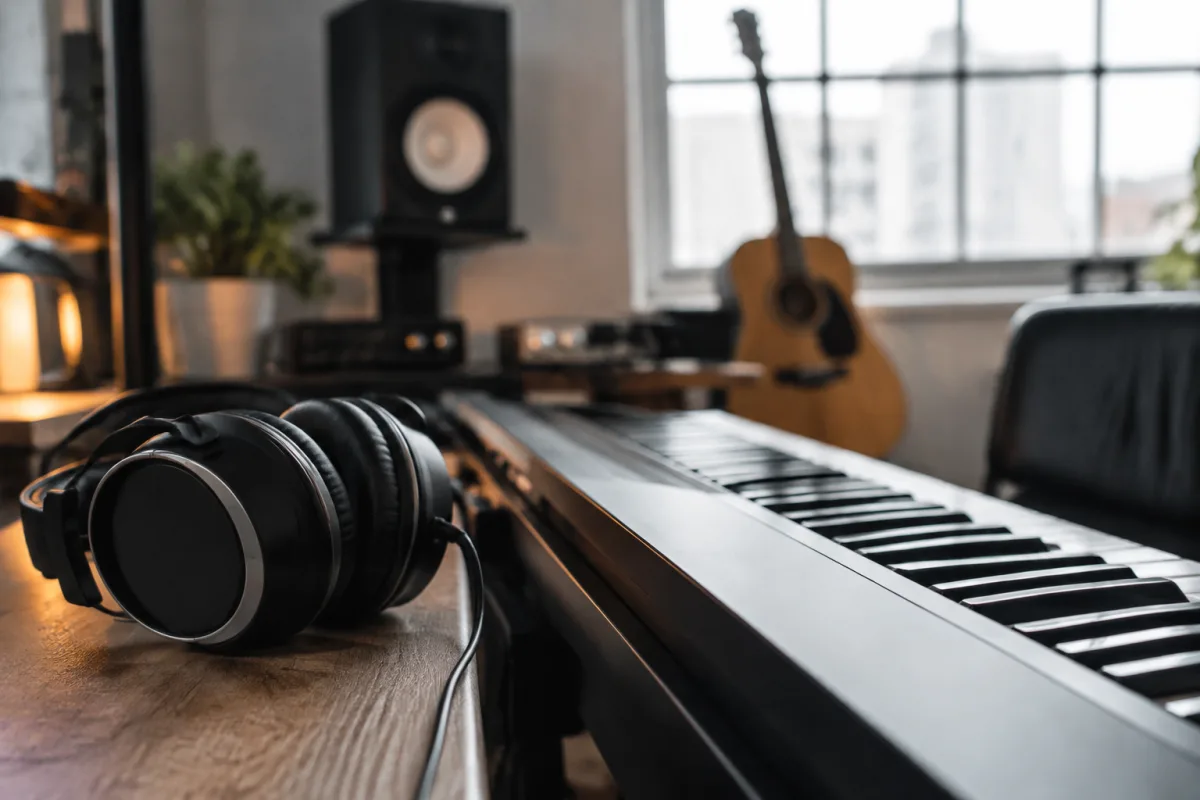
Choosing the right keyboard headphones is crucial whether you're a bedroom pianist, a student learning music theory or a touring performer. Headphones designed specifically for keyboard playing differ substantially from generic audio headphones—they must reproduce the full frequency range of 88-key acoustic piano sounds whilst remaining comfortable during extended practice sessions. This guide walks you through the key specifications, design considerations and common pitfalls to help you find the perfect pair.
Understanding Keyboard Headphone Requirements
Keyboard headphones face unique demands compared to consumer audio headphones. Pianos and synthesisers generate a remarkably wide frequency range from the deepest bass (around 27Hz for the lowest notes) through brilliant treble (above 4kHz), requiring accurate reproduction across this spectrum. Poor headphones will muddy the bass, mask mid-range clarity or produce shrill treble, making it difficult to hear what you're actually playing.
Beyond frequency response, keyboard headphones must be comfortable for hours of practice—lightweight, with good padding and headband adjustment. Many beginners underestimate how tiring uncomfortable headphones become during dedicated practice sessions. Durability also matters; a pair that breaks after six months isn't a bargain regardless of the initial cost.
Finally, keyboard headphones need sufficient cable length (if wired) or reliable wireless connectivity (if Bluetooth). A short cable forces awkward positioning between player and keyboard, whilst poor Bluetooth range ruins the wireless convenience.
Frequency Response and Audio Quality
The most critical specification is frequency response—the range of frequencies the headphones accurately reproduce. Look for a range spanning at least 20Hz to 20kHz; ideally 10Hz to 30kHz for true piano tone. Headphones claiming a narrower range will struggle with the lowest piano notes or produce dull treble.
Equally important is frequency response flatness—whether bass, mids and treble are evenly balanced. Many consumer headphones are "v-shaped," boosting bass and treble whilst scooping midrange, which can make keyboard practice feel disconnected from reality. Professional monitoring headphones tend toward neutral, flat response, making them ideal for keyboard work despite their higher cost.
Listen to headphones with acoustic piano recordings before purchasing if possible. A quality pair should allow you to hear each note distinctly, perceive the sustain pedal's effect on tone and distinguish between the piano's natural resonance and the key release sound. Cheap headphones blur these details, making practice frustrating.
Closed-Back versus Open-Back Design
Headphone design dramatically affects how keyboard music sounds. Closed-back headphones seal sound inside the ear cup, delivering powerful bass and isolation from room noise—useful when practising in shared spaces or when you prefer privacy. However, closed-back designs can produce an unnatural, boxed-in sound lacking the spaciousness of real piano acoustics.
Open-back headphones allow sound to escape, creating a more natural, expansive soundstage that better mimics how an actual piano sounds in a room. Professional musicians and serious students often prefer open-back designs for this reason. The trade-off is sound leakage—others nearby will hear your practice—and reduced bass impact.
A third option, semi-open headphones, attempt to balance both approaches. For keyboard practice, semi-open or open-back designs generally feel more realistic, but closed-back pairs are acceptable if soundproofing or isolation is paramount.
Impedance and Headphone Amplification
Impedance—measured in ohms—affects how loud headphones play at a given volume level from your keyboard's headphone output. Most keyboards output around 50-100 milliwatts. Headphones between 16 and 32 ohms are ideal, requiring minimal amplification from your keyboard and playing loud enough without maxing the volume control. Very low impedance (under 16 ohms) risks distortion if the keyboard's headphone amp isn't powerful. Higher impedance (over 64 ohms) may play too quietly unless your keyboard has an excellent headphone amplifier.
If you're connecting to multiple devices—keyboard, computer, audio interface—check impedance compatibility across all sources. Many modern keyboards and interfaces specify headphone impedance requirements; match your headphones accordingly.
Comfort and Fit for Extended Sessions
Comfort is non-negotiable for practice headphones. You'll wear these for hours, potentially daily, so even minor discomfort becomes maddening. Look for:
- Weight: Lightweight pairs (under 200g) cause less ear and neck fatigue. Avoid heavy studio headphones unless they have exceptional padding to distribute weight.
- Headband padding and adjustment: A padded headband with adjustable sizing prevents pressure headaches. Some headphones offer swappable ear pads for replacements and customisation.
- Ear cup comfort: Generous padding and larger ear cups that fully enclose your ear without pressure are essential. Over-ear designs usually feel more comfortable than on-ear during long sessions.
- Ventilation: Good ventilation prevents ear sweat and heat build-up during practice. Fully sealed designs feel hot; semi-open or open-back pairs breathe better.
Test headphones for at least 30 minutes if possible before buying. What feels comfortable for five minutes may become painful over an hour.
Cable Length, Wireless Connectivity and Build
Wired headphones require a cable from your keyboard to your ears. For piano practice, a cable length of at least 2 metres is essential—shorter cables force awkward sitting positions. Some headphones come with 3–4 metre cables; others offer replaceable cables for flexibility.
Wireless (Bluetooth) keyboard headphones offer freedom from cables but introduce latency—a slight delay between pressing a key and hearing the sound. Even 10–20ms latency ruins keyboard practice by breaking the tactile connection between finger and sound. If considering wireless, research latency specifically and test before committing. True wireless keyboard headphones with minimal latency remain relatively niche.
Build quality matters for durability. Metal hinges and reinforced headband connections outlast all-plastic designs. Replaceable ear pads extend lifespan considerably. Check warranty coverage; reputable brands offer at least two years, sometimes longer.
Price Ranges and Value
Keyboard headphones span a wide price range. Budget models (£20–£50) are suitable for casual learners but often lack the frequency response flatness and comfort of better pairs. Mid-range options (£50–£150) typically offer excellent value—quality audio, comfort and durability for most keyboard players. Professional studio headphones (£150–£400+) deliver pristine audio but cost more than most keyboard players require.
Balanced value typically sits in the £60–£120 range, where you get genuine frequency response accuracy, comfort for extended sessions and good build quality without paying premium prices.
Common Mistakes When Buying Keyboard Headphones
Many students and beginners make predictable errors. First, they assume "good headphones for music" work equally well for keyboard practice. Mixing headphones designed for hip-hop or electronic music often lack the neutral response pianists need. Second, they prioritise aesthetics or brand name over audio quality and comfort. Third, they underestimate how much headphone comfort affects practice enjoyment—a marginal savings on cheap headphones quickly becomes frustration.
Another mistake is choosing wireless headphones without checking latency specifications. Bluetooth latency remains a genuine problem for keyboard playing in 2026, though some newer low-latency models are emerging. If Bluetooth matters to you, research carefully before committing.
Finally, beginners often ignore impedance matching, connecting high-impedance studio headphones to low-output keyboards and then wondering why they barely work.
Recommended Features and Specifications Checklist
Before purchasing keyboard headphones, confirm:
- Frequency response spanning at least 20Hz–20kHz (lower/higher is better for piano accuracy).
- Flat, neutral frequency response (avoid heavy bass or treble boost).
- Design preference (open, semi-open or closed-back based on your space and priorities).
- Weight under 250g for comfortable extended wear.
- Headband padding and ear cup comfort suitable for 2+ hour sessions.
- Impedance compatible with your keyboard's headphone output (typically 16–32 ohms).
- Cable length at least 2 metres (for wired models) or low latency under 20ms (for wireless).
- Build quality with replaceable ear pads and reasonable warranty coverage.
Conclusion
Investing in quality keyboard headphones transforms your practice experience from frustration to genuine musical connection. The right pair lets you hear every nuance of your playing, maintain discipline for extended sessions and support serious musical development. Don't skimp on comfort or audio quality—your ears will thank you daily. Seek neutral frequency response, comfortable fit and durable construction at a price point that makes sense for your commitment level. Whether you're starting piano lessons or deepening your performance skill, the right keyboard headphones remain one of the most valuable investments a musician can make.


Comments