


Keyboard Bag Buying guide
Keyboard Bag: A Complete Buyer's Guide
Choosing the right keyboard bag means understanding protection levels, materials, and what features actually matter. This buying guide walks you through key decisions to find a bag that protects your keyboard and suits your lifestyle.
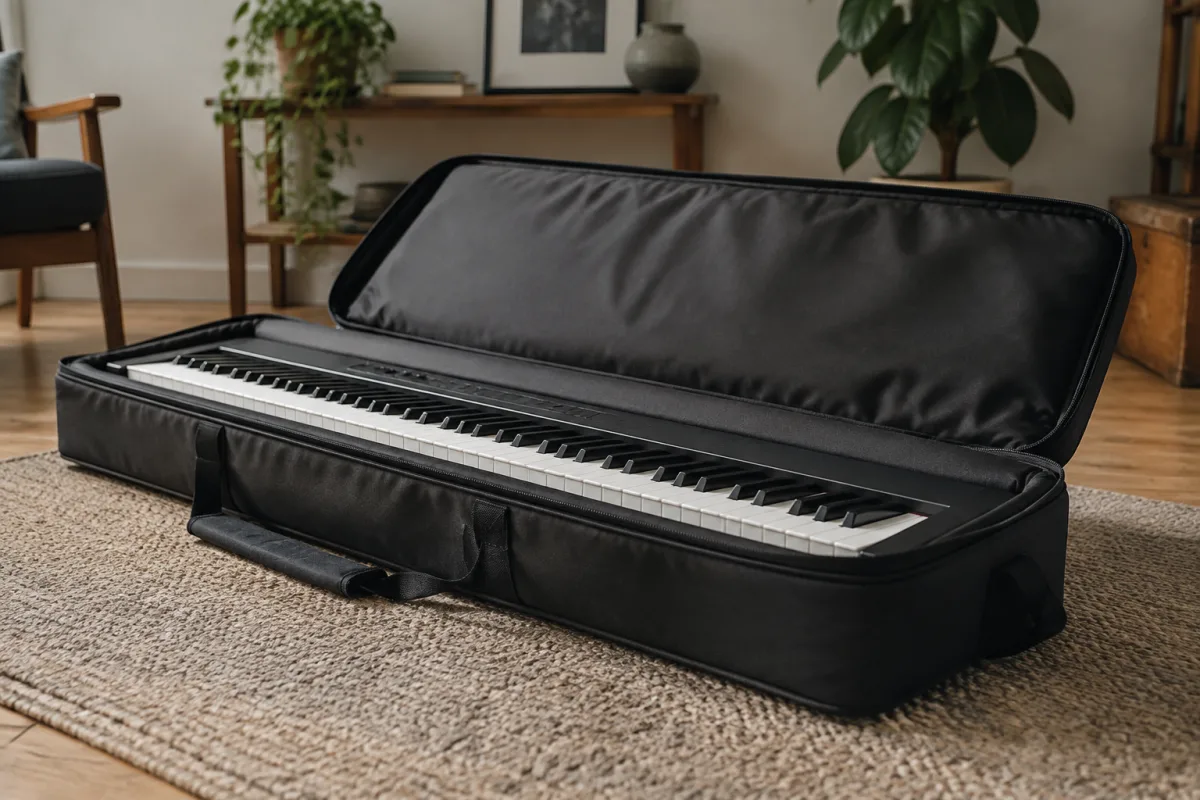
If you're buying your first keyboard bag, you've probably noticed the price range is enormous—from £20 budget bags to £300+ professional cases. The difference isn't just about the brand name; it's about protection, durability, and whether your investment in your keyboard actually stays safe when transported. Knowing what matters when choosing a keyboard bag saves money, prevents heartbreak when your instrument gets damaged, and means you'll actually use a bag that fits your lifestyle rather than abandoning it for something more convenient.
Understanding Keyboard Bag Types and Your Needs
The first decision is understanding what type of keyboard bag you actually need. A gigging musician who travels weekly needs something entirely different from someone playing local rehearsals. The keyboard bag market breaks into distinct categories, each suited to different requirements.
Soft gig bags offer basic protection and are lightweight and affordable—typically £20-60. They work for local transport and occasional travel but won't survive airport baggage handlers. Hard cases provide maximum protection (£80-200) but are heavy and bulky. Padded gigbags split the difference (£40-120) with decent protection and reasonable weight. Before comparing specific keyboard bags, decide which category matches your actual use.
Measuring Your Keyboard for Proper Fit
A keyboard bag is only useful if your keyboard actually fits inside. This seems obvious, but many people buy bags that either squeeze their instrument dangerously or have excessive wasted space. Measure your keyboard's length, width, and depth—including any knobs or controls that protrude.
Bags are typically sized by keyboard width: 49-key, 61-key, 76-key, and 88-key. However, keyboards with the same key count vary in actual dimensions. A Roland keyboard is different from a Yamaha keyboard of the same size. Read the bag's specifications carefully and cross-reference them with your keyboard's dimensions before purchasing.
Material Quality: What Actually Protects Your Keyboard
The material of your keyboard bag determines how much protection you get. Nylon bags are lightweight and affordable but offer minimal protection against impact. Polyester is slightly more durable and water-resistant. Canvas is heavier but very durable and gives a professional appearance.
For serious protection, look for bags with reinforced padding. The padding thickness matters—at least 5mm of protective foam is standard for soft bags. Hard cases should have rigid plastic or aluminium shells with foam lining. Check whether the bottom reinforcement is doubled or triple-layered, as this is where bags fail first.
Padding and Compartment Design
Not all padding is equal. Cheap bags use thin foam that compresses easily and offers little real protection. Quality keyboard bags feature multi-density padding that absorbs impact effectively. The padding should extend fully around the keyboard, not just on top.
Check compartment design carefully. A keyboard bag should secure your instrument so it doesn't slide around during transport. Look for straps or dividers that keep everything stationary. Pockets for cables, sheet music, and accessories are useful, but they shouldn't compromise the main compartment's integrity.
Strap Systems and Portability
You'll be carrying this keyboard bag regularly, so strap quality directly affects your comfort and your keyboard's safety. Cheap bags have thin shoulder straps that dig into your shoulders and can fail under weight. Quality keyboard bags have padded shoulder straps, often with proper weight distribution designed in.
Consider what strap system suits your lifestyle. Adjustable shoulder straps are standard for comfort. Carrying handles are essential for moving bags short distances. Backpack-style straps are excellent for hands-free transport but distribute weight differently than shoulder bags. Wheeled cases eliminate the carrying issue entirely but are bulky for storage.
Water Resistance and Weather Protection
Rain happens. An instrument exposed to moisture faces internal damage that's expensive to repair. Look for keyboard bags with water-resistant or waterproof material. Some bags feature sealed zippers or rain covers.
Full waterproofing (as opposed to water-resistant) is typically only found in hard cases or premium soft bags and adds significant cost. For most players, water-resistant material with sealed seams is adequate protection. If you frequently travel in wet climates, prioritise this feature even if it costs more.
Durability Red Flags to Avoid
Several features signal a keyboard bag won't hold up to regular use. Cheap plastic zippers fail after months of use—look for metal YKK zippers or equivalent quality. Thin material without reinforcement seams tears easily. Padding that's glued rather than sewn tends to separate over time. Stitching should be straight and consistent; wobbly stitching indicates poor quality control.
Check the bag's reviews specifically for durability complaints. Common issues include zippers breaking after a few months, seams separating, handles tearing off, and padding compressing flat. These patterns indicate manufacturing problems you should avoid.
Price Tiers and Value
Keyboard bag prices fall into clear tiers, each with typical feature sets. Understanding these tiers helps you spot good value versus overpriced options.
Budget tier (£15-35): Minimal protection, thin padding, poor zippers, basic design. Suitable only for minimal transport—driving to rehearsals in your car. Won't survive rough handling or regular travel.
Mid-range tier (£40-100): Decent padding, reliable zippers, water-resistant material, proper straps. This range offers genuine protection and durability for regular use. Most players find good value here.
Premium tier (£100-200): Professional-grade padding, exceptional durability, premium materials, additional features like weather protection or superior ergonomics. Justifiable for touring musicians or expensive keyboards.
Hard case tier (£150-400): Maximum protection with rigid shells and professional lining. Essential for gigging musicians, excessive for casual players.
Brand Reputation and Alternatives
Established brands like Gator, Kawai, and Yamaha make reliable keyboard bags because their reputation depends on protecting expensive instruments. However, good bags exist from lesser-known manufacturers too.
Rather than assuming a brand is trustworthy, read specific model reviews. A mediocre bag from a good brand might be worse than an excellent bag from an unknown manufacturer. Check whether other keyboard players use and recommend the specific model you're considering.
Final Considerations Before Buying
Before purchasing, verify the bag's exact dimensions match your keyboard, check recent reviews for durability issues, and confirm the strap system works for your lifestyle. Consider whether you need weather protection based on your climate and travel patterns.
For detailed comparisons of specific keyboard bag models, features, and professional recommendations, our comprehensive keyboard bag guide covers popular options and specialist features you might not have considered.
Making Your Purchase Decision
A quality keyboard bag isn't an optional accessory—it's insurance for your instrument. Buying the cheapest option usually costs more when you factor in replacing a damaged keyboard. Spending in the mid-range tier typically offers excellent protection and durability without extravagant expense. Choose a keyboard bag that matches your actual use patterns, delivers the protection your keyboard deserves, and fits your budget. That combination ensures you'll keep using it and your keyboard will arrive safely everywhere you take it.


Comments