


Upright Grand Piano Buying guide
Upright Grand Piano: A Complete Buyer's Guide
Upright grand pianos offer grand piano authenticity in space-conscious packages. This buying guide explains action mechanisms, manufacturer comparisons, specifications that matter, price brackets, and helps you invest confidently in an upright grand that delivers authentic playing experience.
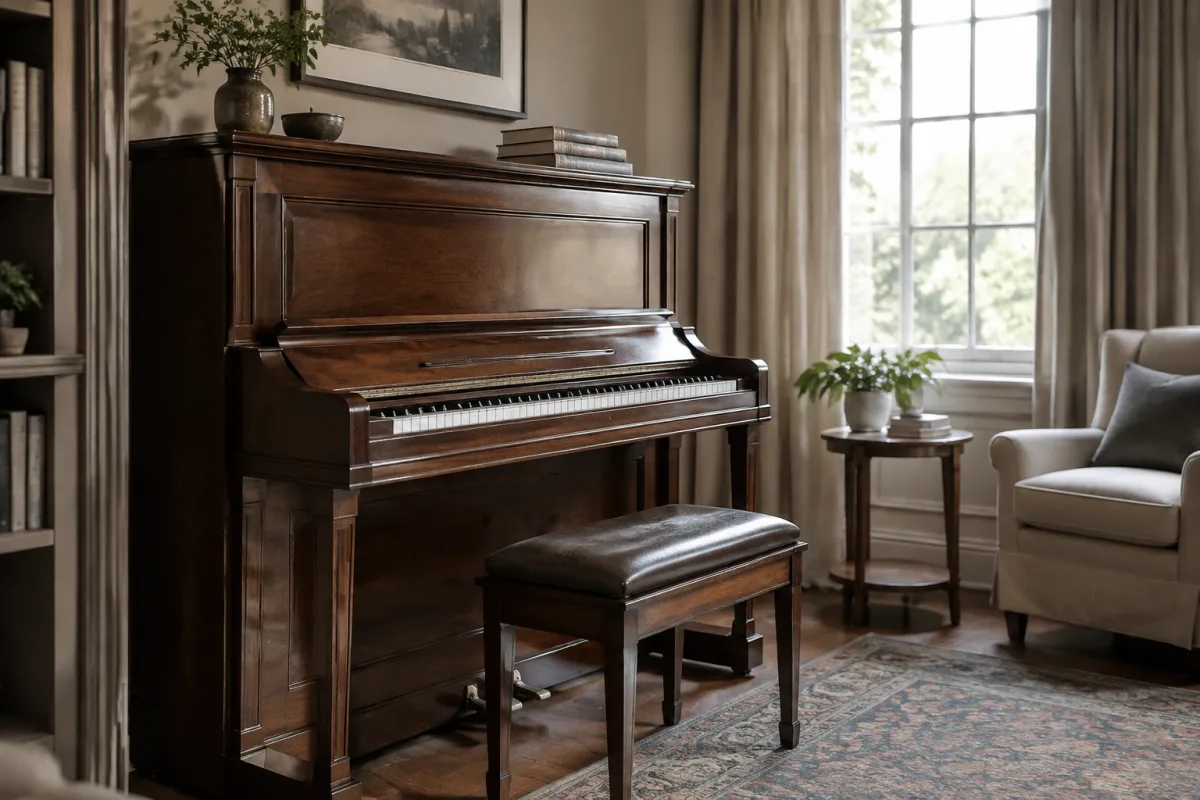
Shopping for an upright grand piano represents a significant investment in both space and finances. These vertical instruments offer grand piano authenticity within compact footprints, making them ideal for space-conscious households and serious students. However, upright grand pianos vary dramatically in quality, construction, and price, and distinguishing genuinely different instruments requires understanding action mechanisms, sound board designs, and manufacturer reputations. This guide walks you through critical specifications, price brackets, and helps you invest in an upright grand piano that delivers authentic playing experience and reliable longevity.
Understanding Upright Grand Piano Terminology
Upright grand pianos occupy a unique category: vertical instruments with grand piano mechanisms. Unlike small spinets or studios, uprights feature sophisticated repetition systems enabling rapid key re-striking, essential for performing complex passages. However, uprights remain smaller than full grands, typically ranging 4'6" to 5'8" tall, fitting comfortably in living rooms whilst delivering genuine grand-style playing experience.
The primary advantage over horizontal grands lies in space efficiency. Uprights offer 75–80% of grand piano playing authenticity whilst consuming only 25% of floor space. For serious students, teachers, and advanced amateurs lacking dedicated studio space, upright grands represent the optimal compromise between authentic action and practical logistics.
Critical Specifications to Evaluate
When comparing upright grand pianos, examine these fundamental characteristics:
- Height and Cabinet Dimensions: Taller uprights (5'4"–5'8") accommodate superior action mechanisms and soundboard areas. Shorter models (4'6"–4'11") sacrifice playing authenticity but fit tighter spaces. Height directly correlates with mechanical sophistication and tonal depth.
- Action Mechanism: Quality uprights feature repetition systems allowing immediate key re-strikes without releasing fully. Distinguish between direct repetition (superior) versus partial repetition or non-repetition designs (limiting for advanced playing).
- Soundboard Surface: Larger soundboard areas produce deeper resonance. Premium uprights feature full-length soundboards; budget models sometimes use partial boards compromising tonal richness.
- Pedal Systems: Grand-quality uprights feature proper three-pedal arrangements: soft pedal (una corda), sostenuto (middle pedal), and sustain. Budget models sometimes simplify this to two-pedal systems with limited functionality.
- String Configuration: More strings per note enhance tonal complexity. Premium models feature full three-string coverage across the entire range; budget models occasionally use two-string sections in lower registers.
Manufacturer Reputation and Value Comparison
Upright grand pianos from established manufacturers—Yamaha, Kawai, Steinway, Bosendorfer—carry proven reliability and resale value. Asian manufacturers offer exceptional value in mid-range pricing; European brands command premium pricing reflecting heritage and craftsmanship. Entry-level models from lesser-known manufacturers cost less but may lack mechanical sophistication and resale viability.
| Manufacturer Tier | Typical Price Range | Key Advantages | Considerations |
|---|---|---|---|
| Japanese (Yamaha, Kawai) | £8,000–15,000 | Exceptional value, reliable mechanisms, good resale | Less tonal character than European alternatives |
| European (Steinway, Bosendorfer) | £15,000–30,000+ | Heritage craftsmanship, superior tonal depth, premium feel | Higher acquisition cost, significant space commitment |
| Budget Alternatives | £4,000–8,000 | Affordable entry point, compact options | Potentially simplified mechanisms, limited resale value |
Price Brackets and Purchase Strategies
- Budget Entry (£4,000–8,000): Smaller uprights with simplified action systems. Suitable for beginning students; limited advanced playing capability. Acceptable starter instruments but may require upgrade within 5–10 years.
- Mid-Range Premium (£8,000–15,000): Full-featured upright grands from reputable manufacturers. Excellent compromise for serious students and advanced amateurs. Genuine grand action mechanisms, substantial soundboards, quality construction. Best value-to-authenticity ratio.
- High-End (£15,000–30,000+): Premium European manufacturers and flagship Asian models. Concert-grade mechanisms, exceptional tonal depth, premium materials. Reserved for professionals, teachers, and serious enthusiasts unwilling to compromise.
Common Buying Mistakes to Sidestep
Even experienced piano buyers sometimes stumble:
- Prioritising Aesthetics Over Action Quality: Beautiful cabinetry means nothing if the action feels sluggish or unresponsive. Test the repetition system extensively—press keys rapidly and confirm immediate re-striking capability without releasing fully.
- Assuming All Uprights Offer Similar Playing Experience: Action mechanism sophistication varies dramatically. A simplified action in budget models creates noticeable limitations compared to proper grand repetition systems. Never assume upright grand equals authentic grand experience.
- Overlooking Space Impact Assessment: Upright grands occupy significant floor and wall space. Measure your room carefully, considering piano bench space and necessary clearance for opening the lid. Cramped positioning compromises acoustics.
- Neglecting Professional Inspection: Always hire a qualified piano technician to evaluate used uprights before purchasing. Worn action mechanisms, damaged strings, and compromised soundboards cost substantial repair money post-purchase.
- Ignoring Sound Installation Logistics: Upright grands weigh 600–900kg. Account for delivery logistics, room access, moving costs, and professional installation. Budget-conscious shoppers sometimes underestimate total acquisition expense.
- Fixating on Tonal Preference Without Long-Term Testing: Rent or trial upright models for extended periods (at least two weeks) before committing. Tonal preferences reveal themselves after prolonged playing, not first-impression listening.
New Versus Used: Investment Perspective
New upright grands guarantee full warranties and modern regulation. Used uprights, particularly from established manufacturers, often deliver better value—25–40% price reductions for well-maintained instruments. Older instruments occasionally require restoration work (restringing, action regulation) adding £2,000–5,000 to acquisition costs. Factor this into your budget when evaluating used options.
Making Your Purchase Decision
Define your budget first—mid-range pricing (£8,000–15,000) captures the sweet spot for serious playing without premium heritage pricing. Test multiple models from different manufacturers, focusing on action response rather than cosmetic appeal. If budget permits, hire a technician to evaluate your finalists. Choose based on how the instrument feels under your hands, not marketing descriptions or celebrity endorsements.
For comprehensive exploration of upright grand piano history, advanced specifications, and professional performance considerations, consult the complete guide to upright grand piano. Your upright grand will serve you reliably for decades if you make an informed purchase aligned with your genuine playing needs.


Comments