
Portable Electronic Keyboard Piano article
The Complete Guide to Portable Electronic Keyboard Piano
A portable electronic keyboard piano brings professional piano playability and sound into a lightweight, affordable package. Whether you're a travelling musician, student or composer, portable keyboard pianos offer expressive playing without the space and cost of acoustic instruments.
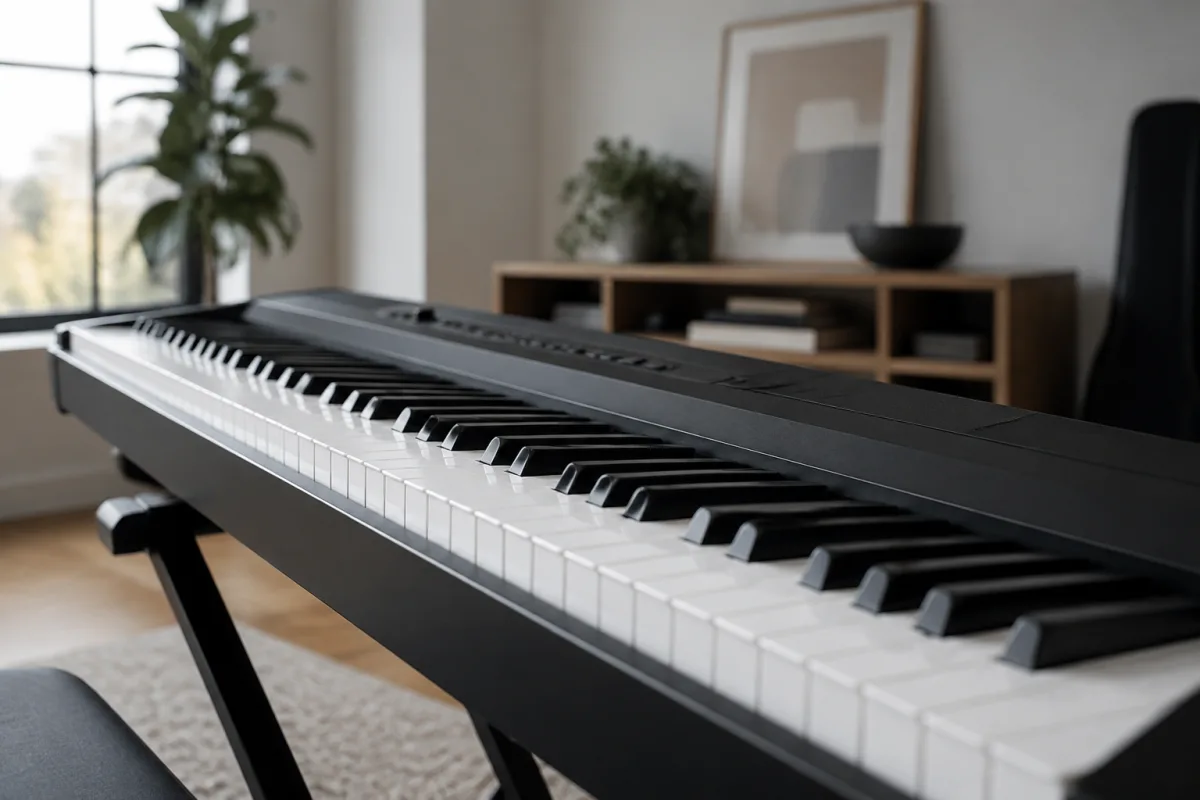
Portable Electronic Keyboard Pianos: The Complete Buyer's Guide
A portable electronic keyboard piano combines the expressive playing experience of an acoustic piano with convenience, affordability and portability that traditional instruments simply cannot match. Whether you're a travelling musician, a home music enthusiast or someone just beginning piano studies, a quality portable keyboard piano opens musical doors without requiring a dedicated studio space or deep investment. Modern portable keyboards deliver authentic piano touch, professional sound libraries and recording capabilities that rival studio-grade equipment—all in a compact, battery-powered package.
What Defines a Portable Electronic Keyboard Piano?
A portable electronic keyboard piano is a weighted or semi-weighted keyboard designed to replicate the feel and response of an acoustic grand piano. Unlike basic music keyboards with unweighted keys, portable keyboard pianos feature hammer-action mechanisms or weighted keys that resist your fingers, mimicking the natural response of striking acoustic piano strings. This weighted action is crucial for developing proper piano technique and achieving expressive, dynamic playing.
Portability is the defining characteristic—these instruments weigh between 25 to 60 pounds, fit into car trunks, and run on batteries or compact power supplies. They're ideal for gigging musicians, composition work, teaching, and home practice when acoustic pianos are impractical or impossible.
Key Features to Consider
When evaluating portable electronic keyboard pianos, several features directly impact your playing experience and long-term satisfaction:
Weighted Action Mechanism
The keyboard's action mechanism is paramount. Full hammer-action (Grand Piano-style action) is the gold standard, providing realistic resistance across the entire keyboard with increased weight in the lower register, just like acoustic pianos. Semi-weighted keyboards offer a compromise—less expensive and lighter, but not quite as pianistic. Unweighted synth-style keys are poor choices if piano technique matters to you, though they're lighter and more affordable.
Sound Quality and Sampling
Modern portable keyboard pianos include hundreds or thousands of instrument voices—piano samples are critically important. Premium models feature multiple sampled grand pianos (Steinway, Yamaha, Bösendorfer) recorded at different velocities, giving authentic, expressive tone. Entry-level models may have adequate sounds, but fewer layers of sonic detail. Examine sound demos before purchasing; cheap piano samples are immediately noticeable and frustrating during practice.
Key Count and Range
Most portable keyboard pianos offer 61, 76 or 88 keys. Eighty-eight keys (full piano range) is ideal for serious pianists, allowing complete repertoire and proper technique development. Seventy-six keys suffice for many players; 61 keys work for beginners and those prioritising ultimate portability. Each configuration represents a trade-off between range and weight.
Touch Sensitivity and Control
Adjustable touch sensitivity lets you customise how the keyboard responds to your playing dynamics. Some models include aftertouch (pressure applied after striking a key), enabling expressive modulation and vibrato control—a feature serious pianists often prioritise. Built-in effects (reverb, chorus, delay) add sonic character; quality algorithms make significant differences in playability.
Connectivity and Recording
USB connectivity enables MIDI data transmission to music production software—essential for composition and recording. Many modern portable keyboard pianos include built-in audio recorders for capturing performances without external equipment. Bluetooth connectivity is increasingly common, allowing wireless connection to apps and other devices.
Battery Life and Power
Portable keyboard pianos run on rechargeable batteries (typically lasting 5–20 hours) or external power supplies. If you gig frequently or perform outdoors, assess battery endurance carefully. Some models sacrifice battery life for lighter weight; others prioritise endurance. Peak usage scenarios matter—playing all voices and effects simultaneously drains batteries faster than using basic piano sounds.
Popular Configurations Compared
Different portable keyboard pianos serve different needs:
| Type | Weight Range | Key Features | Best For |
|---|---|---|---|
| Compact Portable (61 keys) | 25–30 lbs | Lightweight, budget-friendly, semi-weighted | Beginners, maximum portability, travel |
| Mid-Range (76 keys) | 35–45 lbs | Weighted action, improved sounds, connectivity | Intermediate players, gigging musicians |
| Professional (88 keys) | 45–60 lbs | Full hammer action, premium samples, aftertouch | Pianists, composers, serious students |
| Stage Keyboards | 30–50 lbs | Diverse sounds, lighter action, performance features | Live performers, session musicians |
Touch and Feel: The Playing Experience
The most critical decision involves choosing an action mechanism that suits your needs. If you're transitioning from acoustic piano or pursuing serious piano study, a full hammer-action portable keyboard is non-negotiable—your technique and muscle memory depend on realistic key resistance. For hobbyists and composers less focused on classical technique, semi-weighted actions provide satisfying playability at lower cost and weight.
Test-play instruments before purchasing whenever possible. Keyboard feel is profoundly personal; what feels perfect to one player may feel stiff or unresponsive to another. Online reviews and manufacturer specifications help, but nothing replaces hands-on experience.
Portability vs Performance: The Real Trade-off
Portable keyboard pianos inevitably sacrifice some performance characteristics compared to concert grand pianos. Keys aren't quite as responsive at extreme velocities, sound character may seem slightly thinner, and the speaker systems rarely match acoustic piano projection. However, modern portable instruments have narrowed this gap dramatically. Premium models deliver playing experiences indistinguishable from entry-level acoustic pianos, with the added benefits of silence (headphone capability) and sonic versatility.
Maintenance and Longevity
Electronic keyboards require minimal maintenance—regular cleaning, occasional firmware updates and careful transport are sufficient. Weighted keys may require occasional calibration or lubrication, though modern mechanisms are extremely reliable. Most portable keyboard pianos last 10–15 years with normal use, making them durable investments. Service and repair availability varies by brand, so choosing established manufacturers ensures long-term support.
Bottom Line
A portable electronic keyboard piano offers incredible value for pianists at every level. Whether you need a travel-friendly practice instrument, a composition tool or an expressive stage piano, the market offers options across budgets and feature sets. Prioritise weighted action and quality piano sounds above all other features—these elements directly impact your playing satisfaction and technique development. Once you've nailed the fundamental action and sound, connectivity, recording features and effect libraries become secondary considerations. With the right portable keyboard piano, you can develop serious pianistic skills, compose professionally and perform confidently anywhere inspiration strikes.



Comments