
Electric Piano Kawai article
The Complete Guide to Electric Piano Kawai
Kawai electric pianos blend acoustic piano authenticity with modern convenience. Wooden keys, Kawai sampling, and MIDI integration for serious musicians.
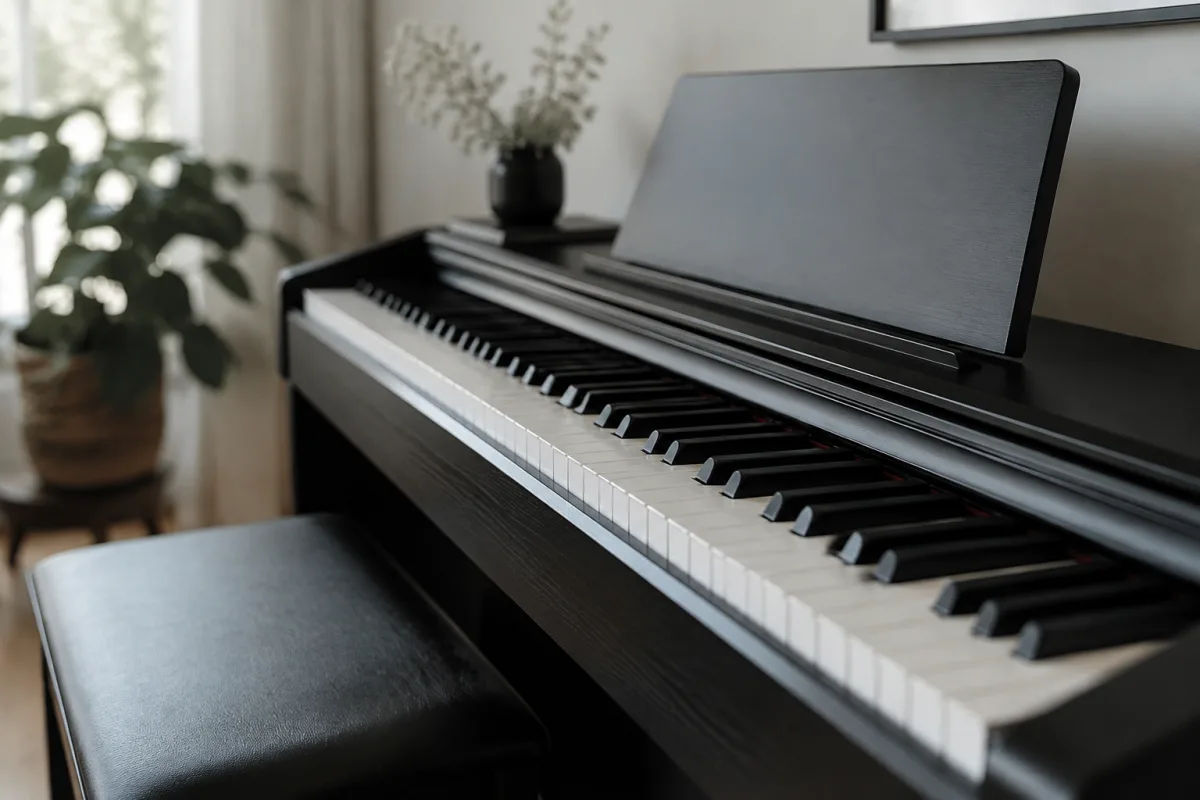
Kawai Electric Piano: Weighted Keys and Authentic Sound
Kawai electric pianos are known for their realistic weighted keyboards and warm, responsive sound character that rivals acoustic grands. Whether you're a classical pianist transitioning to modern performance venues or a producer seeking authentic piano tone for studio recordings, a Kawai electric piano offers build quality, playability, and sound fidelity that justifies its investment. This guide covers why Kawai stands out, what to expect from their product range, and how to choose the right model for your needs.
Why Choose a Kawai Electric Piano?
Kawai has manufactured acoustic pianos for decades, and that expertise carries into their electric models. A Kawai electric piano uses wooden key mechanisms and weighted actions calibrated to mimic the resistance and return speed of acoustic hammer action. The result feels like playing a real piano—crucial for classical musicians and anyone who plays both acoustic and electric pianos. The sound engines draw from Kawai's proprietary sampling technology, capturing nuanced hammer noise, string resonance, and damper pedal effects absent from cheaper alternatives.
Kawai Electric Piano Models Overview
| Series | Features | Best For |
|---|---|---|
| K-Series | Compact, portable, weighted keys. Entry-level sound quality, professional build. | Beginners, home studios, travelling musicians |
| ES Series (stage piano) | Lightweight, built-in speakers, extensive sounds, USB/MIDI. Modern workflow integration. | Gigging musicians, live performers, producers |
| VPC Series (vintage) | Minimalist design, premium Kawai sampling, wooden keys. Focused on pure piano tone. | Jazz performers, session musicians, purists |
| MP Series (master piano) | Flagship sound, modelling technology, extensive effects, network audio streaming. | Professional studios, touring venues, mastering |
Weighted Keys and Action
The distinguishing feature of a Kawai electric piano is its wooden key mechanism with adjustable hammer weight. Strike a key and you feel resistance as the wooden hammer accelerates upward, mimicking acoustic piano. This feedback is essential for technique development and expressive playing—light touch produces softer tone, aggressive strikes ring louder, just like a real piano. Cheap digital pianos have plastic keys with springs; a Kawai electric piano delivers authentic piano mechanics.
Sound Quality and Sampling
A Kawai electric piano uses multi-layered piano samples recorded from premium Kawai acoustic grands. The sound captures hammer noise (the subtle click of felt striking strings), string resonance (layers resonate when notes overlap), and true pedal effects. Stage models include additional sounds: electric pianos, harpsichords, vibraphones, and synth pads. Professional models add modelling technology for infinite sound customization.
Portability vs. Console Models
Stage Kawai electric piano models weigh 30–40kg, fitting in a van alongside guitars and drums. Console models stay put in studios or venues, weighing 80–120kg but offering grander aesthetics and more robust construction. Choose based on your lifestyle—gigging musicians need portability; studio owners can embrace the larger footprint and enhanced experience of a full-sized console.
MIDI and USB Integration
Modern Kawai electric piano models include MIDI out via 5-pin DIN and USB, letting you sequence the piano in DAW software or control external synthesizers. Some models offer USB audio streaming—connect to your computer and record pristine 24-bit piano directly without analog conversion.
Pedal Integration
A Kawai electric piano responds realistically to the sustain pedal (holding resonance after you release keys), soft pedal (shifting tone softer), and una corda pedal (string retuning on grand pianos). Professional models simulate these effects accurately; entry-level models offer basic sustain only.
Choosing Your Kawai Electric Piano
For beginners or home use, a K-Series or entry-level ES model offers excellent value. Professional performers should consider mid-range ES or VPC series for portable touring. Recording studios benefit from flagship MP series for supreme sound and editing capabilities. Test multiple models in-store—action feel varies, and personal preference matters as much as specification sheets.
The Bottom Line
A Kawai electric piano bridges the gap between acoustic piano authenticity and modern convenience. You get wooden weighted keys that develop proper technique, authentic sampling that moves audiences, and portability for venues and studios worldwide.


Comments