
Classic Song Piano article
The Complete Guide to Classic Song Piano
Classic song piano spans centuries of timeless compositions and arrangements, teaching technique whilst offering genuine musical satisfaction at every skill level.
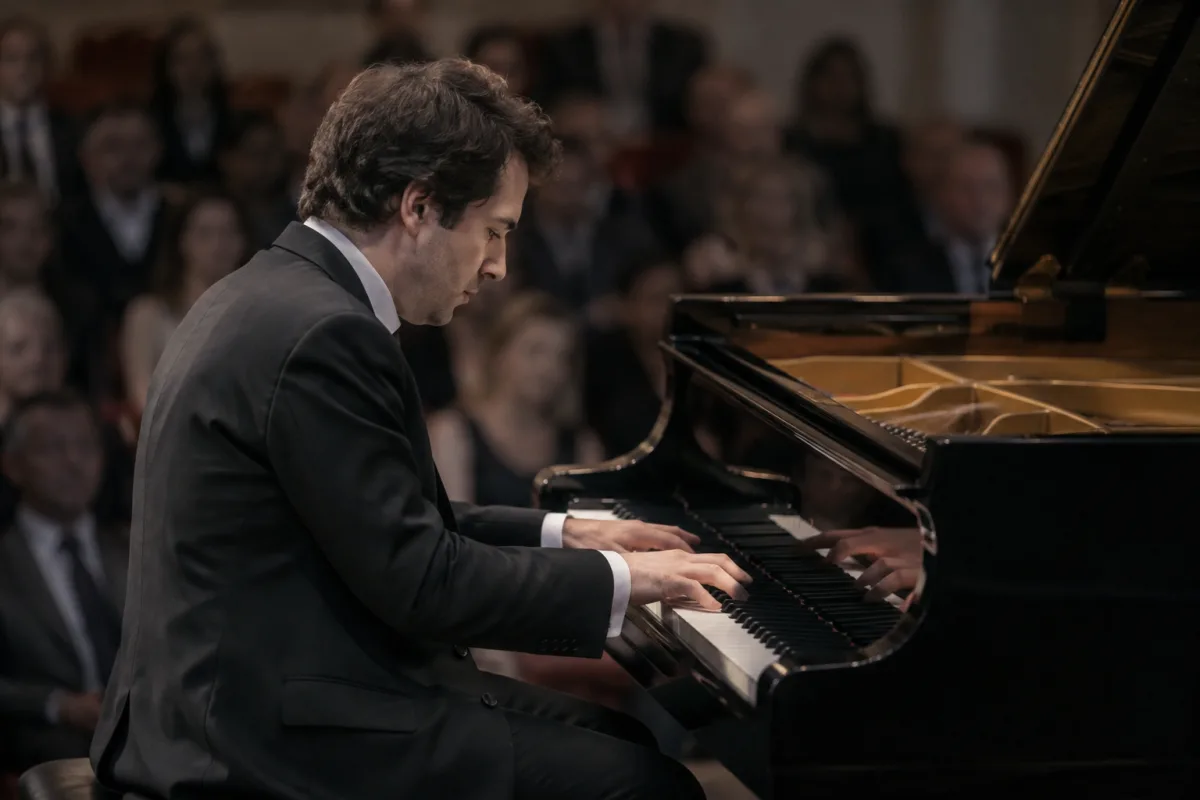
Classic song piano represents some of the most rewarding and accessible material for pianists of all levels. From Bach prelude to Beatles ballads, from Elton John to Alicia Keys, classic song piano teaches technique whilst remaining genuinely musical and satisfying to play. Learning classic song piano develops skills that transfer to any genre and connects you to a vast tradition of keyboard music that spans centuries.
What Is Classic Song Piano?
Classic song piano encompasses timeless compositions across multiple eras — from Baroque and Classical through Romantic and into contemporary standards. These are songs that have proven durability, cultural significance and, crucially, arrangements that work beautifully on the piano. A classic song piano piece rewards repeated listening and practice because its musical qualities deepen with familiarity.
The definition is more about musical merit and longevity than strict chronology. A classic song piano piece from 1970 can be genuinely classic if it remains widely loved and performed.
Why Learn Classic Song Piano?
Several advantages make classic song piano an excellent learning focus. First, classic song piano melodies are often familiar, which means you already understand the phrasing and can focus on technique. Second, classic song piano arrangements span all difficulty levels, from elementary pieces to concert-grade work. Third, playing classic song piano connects you to piano tradition and teaches how the greatest composers approached the instrument.
Finally, classic song piano repertoire is endlessly rewarding emotionally — you're not just practicing technical exercises, you're learning pieces of genuine artistry.
Essential Classic Song Piano Pieces for Beginners
Pianists starting with classic song piano typically begin with simplified arrangements of recognisable melodies. A classic song piano beginner might learn simplified versions of songs like "Let It Be," "Imagine," or "Someone Like You." These pieces teach hand coordination, reading notes and musical phrasing without overwhelming technical demands.
Other accessible classic song piano choices include traditional songs like "Danny Boy," or simplified arrangements of Chopin nocturnes. The key is finding classic song piano material that sounds satisfying even at a modest technical level.
Intermediate Classic Song Piano Repertoire
As skill develops, classic song piano expands to more substantial arrangements and original compositions. Intermediate classic song piano includes Elton John arrangements, more authentic renderings of pop standards, and classical pieces like Moonlight Sonata or Für Elise. This level of classic song piano requires genuine technique but remains accessible to dedicated amateurs.
Advanced Classic Song Piano and Interpretive Depth
Professional pianists studying classic song piano at the highest level engage with concert arrangements and original compositions. Advanced classic song piano includes full Chopin nocturnes, Rachmaninoff preludes, and authentic orchestral reductions. At this level, classic song piano becomes about interpretation — bringing your own artistic voice to compositions that have been played millions of times.
Learning Strategies for Classic Song Piano
Effective classic song piano learning involves several approaches. Slow, deliberate practice focusing on hand position and finger strength builds the foundation. Reading music sight-reading daily expands the repertoire you can access. Recording yourself playing classic song piano and listening critically reveals timing, dynamic and phrasing details that need adjustment. Finding a teacher who specializes in classic song piano accelerates progress and provides feedback that self-teaching rarely achieves.
The Role of Listening in Classic Song Piano
Listening to great performances of classic song piano pieces you're learning is invaluable. Hearing how a professional pianist approaches phrasing, tempo flexibility and emotional arc in classic song piano reveals interpretive possibilities you might not discover alone. This is not about copying performances — it's about understanding how the music functions and what's possible.
Classical Training Through Classic Song Piano
Learning classic song piano from formal classical tradition (Bach, Mozart, Beethoven) teaches harmonic principles and compositional structure that transfer to every other musical domain. A classic song piano piece by Bach contains lessons about voice leading and counterpoint that will improve your understanding of all music. Similarly, Romantic-era classic song piano teaches the art of melody and accompaniment balance.
Popular Song Piano Arrangements
Modern classic song piano extends to jazz standards, Beatles arrangements and contemporary singer-songwriter material. These classic song piano pieces teach different skills — swing feel for jazz standards, rhythmic looseness for pop arrangements. The underlying principle remains the same: selecting material that's musically significant and tailored to your developing skill level.
Conclusion
Classic song piano represents an investment in musical literacy and emotional expression. Whether you're learning your first pieces or refining concert arrangements, classic song piano connects you to piano tradition whilst developing technique and musical understanding. The joy of playing classic song piano — whether a simple pop standard or a Chopin nocturne — lies not just in the technical achievement but in the emotional resonance of these timeless compositions.


Comments