


Behringer PA System Buying guide
Behringer Pa System: A Complete Buyer's Guide
Choosing a Behringer PA system means balancing power, portability, and budget. This guide walks you through the specs, price tiers, and pitfalls to avoid.
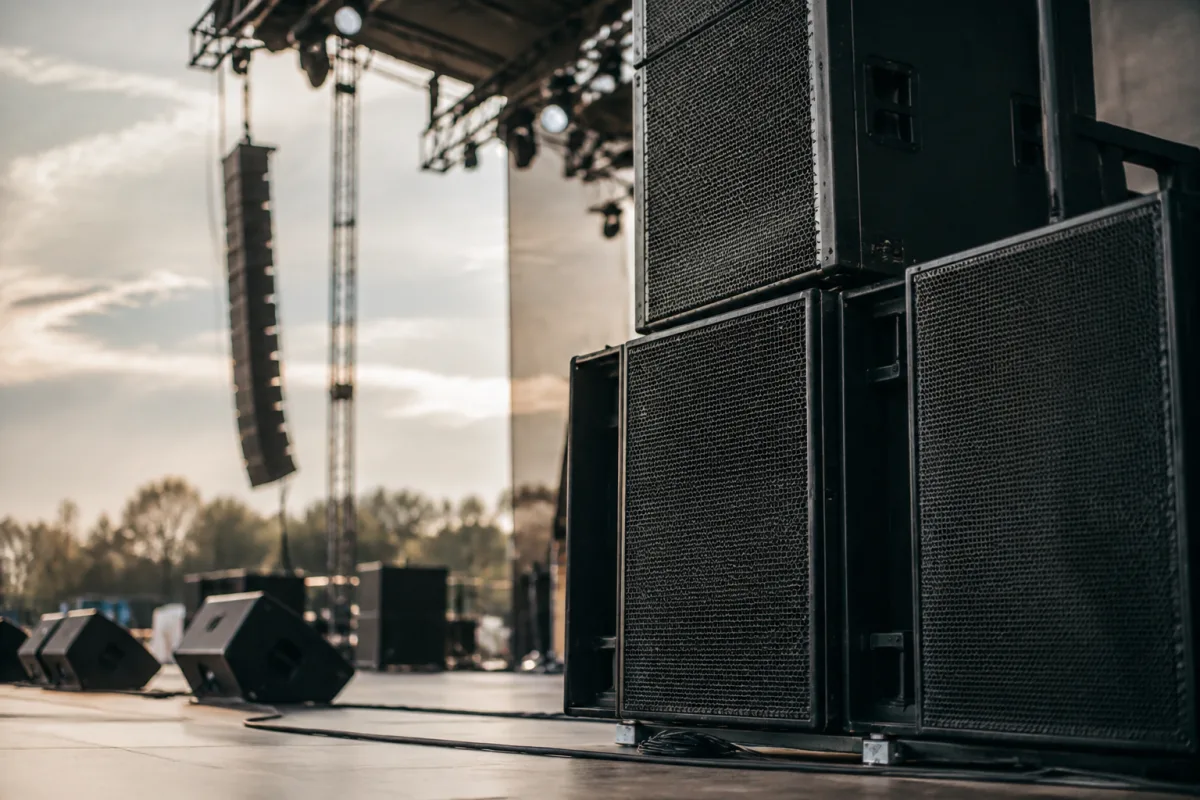
Choosing the right Behringer PA system means balancing power, portability, and your actual budget. Whether you're running a small café, setting up for a local wedding, or taking your band on a regional tour, Behringer offers solutions at nearly every price point—but not every system suits every job. This guide walks you through the key specs to compare, the pitfalls to avoid, and what you actually get for your money.
Understanding Behringer PA System Specifications
When you start shopping for a Behringer PA system, you'll encounter a bewildering array of power ratings, driver sizes, and connection types. The most important figure is RMS wattage—the continuous power output—not the peak rating printed in large letters on the box. A 1000W RMS system is genuinely twice as loud as a 500W RMS system, roughly speaking (sound doubles for every 3 dB gain, and power roughly tracks wattage). For an intimate 50-person room, 500W suffices. For outdoor events or large clubs, you'll need 1500W or more.
Driver size matters too. A Behringer PA system with 8-inch woofers handles decent bass and mid-range projection. If you're mixing live drums or need full-range clarity for DJ use, jump to 10 or 12-inch drivers. Tweeter size is less critical—most quality systems use 1 to 1.4-inch compression drivers—but confirm the tweeter is actually on the cabinet and not a marketing fiction.
Check the frequency response curve in the spec sheet or manual. A genuinely flat PA should cover 50 Hz to 20 kHz; if Behringer claims 40 Hz, expect less punch in the low mids, which matters if you're amplifying acoustic bass or a kick drum. Sensitivity (measured in dB SPL at 1W/1m) tells you how efficiently the drivers convert power into sound; higher is better and means less strain on your amplifier.
Behringer PA System Types and Price Tiers
Behringer's product line segments roughly into four bands. The budget entry-level Behringer PA system (under £200 per unit) packs decent sound into a compact plastic cabinet—fine for rehearsals, small retail spaces, and home use. They're lightweight and portable, but the drivers are smaller, the amplifier is modest, and longevity under heavy use is uncertain.
The mid-range tier (£300–£700 per unit) is where most live sound technicians shop. These cabinets use larger drivers, dedicated built-in amplifiers, and often include wireless microphone receivers and Bluetooth. A Behringer PA system in this range—such as the popular Eurolive series—is rugged enough for gigging and clear enough for serious work. You get what you pay for: robust aluminium frames, better cooling, and drivers that won't rattle loose after a few months.
Premium models (£800–£1500 per unit) are professional touring rigs. They feature multi-speaker arrays, full DSP control, optional line arrays, and the kind of build quality that survives twenty road gigs a year. These systems are overkill for small venues but shine in serious festivals and larger theatre work.
Custom or powered mixer systems, bundled as kits, often provide the best value. Buying a matched pair of Behringer PA system cabinets alongside an appropriate mixer (rather than mixing and matching brands) ensures tuning compatibility and simplifies troubleshooting.
What to Check Before Buying
Inputs and outputs are underrated buying criteria. Confirm your Behringer PA system has the connectors you need: XLR for balanced microphone and line-level signals, RCA or 3.5mm jack for portable music players, and ideally a Bluetooth input for smartphones without hunting for a cable. Count the inputs on each cabinet or powered mixer; if you have a three-piece band plus a DJ, you need at least four separate channels.
Weight matters more than people expect, especially if you're moving gear into cars or up stairs. A single 12-inch powered cabinet can weigh 25–35 kg. If you're a solo performer or small venue, that's manageable. Running a mobile DJ service or a tour, you'll want lighter options or investing in a trolley and protective flight cases.
Cooling and ventilation are often ignored until your system overheats mid-gig. A Behringer PA system with proper heat sinks, a fan (even if it's audible at low volumes), and clear cabinet vents will last longer and perform more reliably. Check user reviews; if people complain about shutdowns after 45 minutes, thermal management is the culprit.
Warranty and support are worth researching. Behringer's reputation has improved over the years, but not all dealers offer the same after-sales care. Buying from a dedicated music retailer, rather than a marketplace seller, often means easier repairs and genuine parts.
Common Buying Mistakes to Avoid
Overestimating power needs is a classic error. A modest 500W Behringer PA system can sound surprisingly full in a 100-person room if placed well and EQ'd correctly. Buying 2000W because it's "professional" will leave you running the amplifier at 10% volume, where dynamics suffer and the system sounds dead. Aim for a system that runs at 60–80% power for your typical venue size; this gives you headroom for peaks and allows the drivers to breathe.
Ignoring the cables and stands is another trap. The cheapest Behringer PA system paired with bargain speaker cables and a wobbly stand will underperform. Budget 10–15% extra for quality XLR cables (shielded and tested), sturdy tripod stands, and proper mounting hardware. A poor cable can introduce hum or signal loss that no amount of amplifier power can fix.
Buying without hearing it first is risky. If you're investing more than £400, try to demo the Behringer PA system at a dealer or borrow a friend's to test in your actual venue. Cabinet voicing (brightness or warmth) is partly subjective, and what sounds crisp in a shop demo may sound harsh in a reverberant room. Different models in the Behringer range suit different applications—studio monitoring, live speech, or music playback—so match the system's design to your use case.
Features That Justify Extra Spending
Built-in mixing, equalization, and digital signal processing (DSP) let you tailor a Behringer PA system on the fly. If you're running a small venue or mobile DJ, a powered mixer with tone controls, graphic EQ, and preset scenes is worth the premium over passive speakers. You avoid hauling a separate mixing desk and reduce cable clutter.
Wireless microphone receivers integrated into the cabinet simplify setups for worship, presentations, or live performance. If you're buying a Behringer PA system for regular speaking events, this built-in receiver saves hundreds versus a separate wireless system. Confirm the frequency band is legal in your region (UK uses 2.4 GHz ISM band or licensed UHF ranges).
Weatherproof or outdoor-rated cabinets cost more but extend the Behringer PA system's life if you're placing it outside. If you're working at festivals or garden events, consider sealed, UV-resistant cabinets with drain holes.
Sizing Your System for Your Venue
A quick rule of thumb: budget 3–5 watts per square metre of floor space for speech clarity, and 10–15 watts per square metre for music with impact. A Behringer PA system rated for a 100-person seated room (roughly 200 m²) needs at least 600W. For outdoor events or high-background-noise venues (gardens, markets), multiply by 1.5 to 2.
Two smaller cabinets often outperform one large cabinet of the same total wattage because stereo imaging and coverage are better. If space allows, consider a stereo pair of mid-sized Behringer PA system units rather than a single monster box.
For more detailed insight into the full Behringer PA system product range, specifications, and technology, read our complete guide to Behringer PA systems.
New versus Used: Cost and Risk
Buying secondhand can halve the price of a Behringer PA system, especially if you find ex-rental or estate sale stock. Test every input and output, listen for buzzes or driver damage (ask for a demo), and inspect the cabinet for cracks and internal corrosion. If the seller can't power it up, walk away—you don't know what you're inheriting.
New systems come with a warranty and known history. If you're putting the Behringer PA system into commercial or touring use, the peace of mind is often worth the extra cost.
Final Thoughts on Choosing Your System
A Behringer PA system punches above its price tag, offering genuine capability for small-to-medium venues and portable use. The key is matching wattage and driver size to your actual venue and use case, rather than chasing the highest power rating. Buy from a reputable dealer, budget for proper cables and stands, and demo the system if possible. With attention to these details, you'll own a reliable, versatile Behringer PA system that serves you well for years.


Comments