


Behringer Compressor Buying guide
Behringer Compressor: A Complete Buyer's Guide
Behringer compressors offer affordable entry points to dynamic processing, but quality varies across the range. This guide explains what to check and whether a Behringer compressor is right for you.
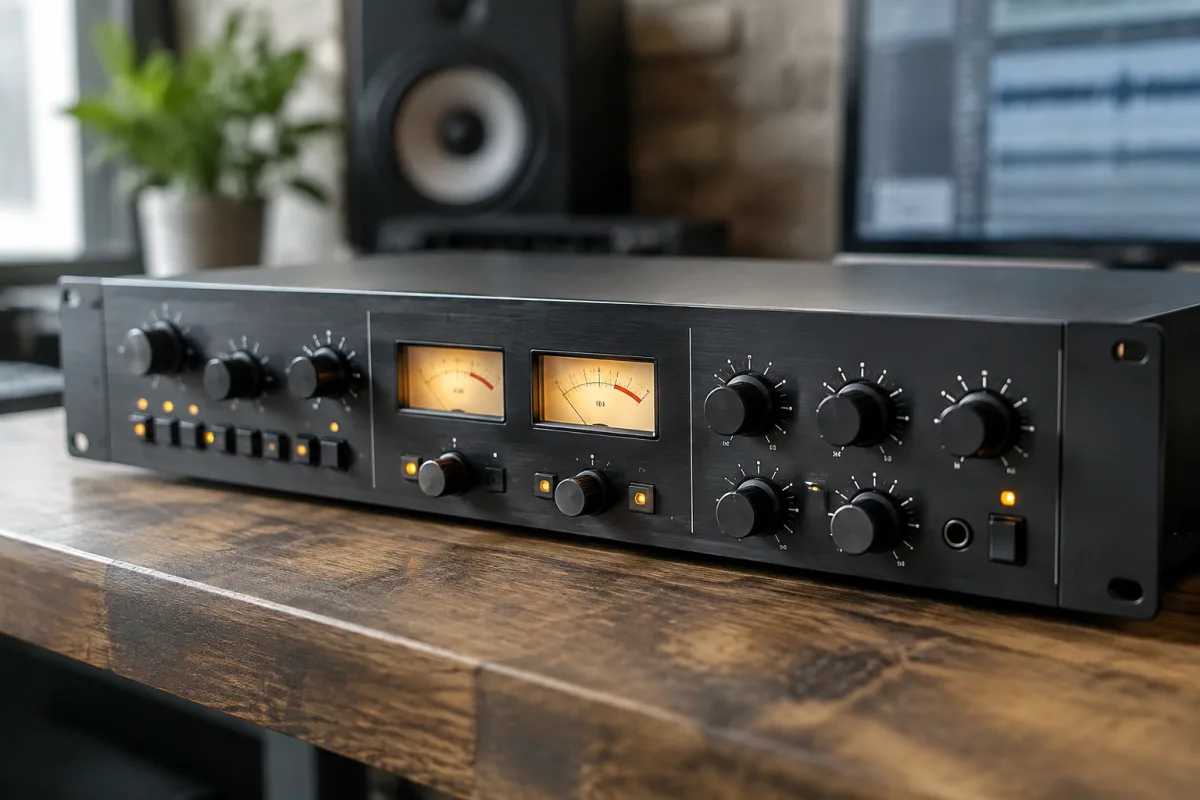
Behringer compressors offer budget-friendly entry points to dynamic processing, but "affordable" doesn't mean "buy blindly." The quality varies across Behringer's range, and some Behringer compressor models work brilliantly whilst others disappoint. This buying guide helps you navigate the Behringer compressor lineup and decide whether one suits your needs—or whether you should spend more elsewhere.
What Kind of Compressor Do You Actually Need?
Before shopping for a unit, clarify what you're compressing and where. Are you looking for a stomp-box compressor for guitar? A hardware unit for a recording studio? A plugin for your DAW? Each application needs a different type, and Behringer makes options in each category. A guitar pedal won't solve your recording studio needs. Spending time on this decision prevents wasted money on the wrong purchase.
Types and Models Available
Guitar Pedal Compressors
Behringer makes several guitar compressor pedals (usually £30–£80). The CS400 and CS1 are their entry-level offerings. These Behringer compressor pedals are tiny and designed for pedalboards, not studio racks. They work for live and bedroom practice but don't offer the control of studio compressor units. If you're buying a Behringer compressor pedal, understand its limitations: tiny footprint, limited tweaking options, and basic tone-shaping. Useful but not professional-grade.
Studio Hardware Compressors
Behringer's hardware units (like the BCR2000 and various rack versions) typically cost £100–£400. These are 1U or 2U rack-mounted units designed for home studios and small venues. They offer more control than pedals but don't match the build quality or sound character of units costing £800+. At this price point they're serviceable for learning and bedroom recording but not ideal for professional tracking.
Bundled Compressors in Mixers
Behringer mixing consoles often include onboard compression. If you're buying a Behringer mixer for its features (EQ, reverb, compression), understand that included compression is basic and shares processing power with other functions. Don't expect studio-quality dynamics control from a bundle feature.
Key Specs to Check When Shopping
| Spec | What It Means | Why It Matters |
|---|---|---|
| Compression Ratio | Typically 4:1 to ∞:1 (infinity:1) | Higher ratios squash peaks harder. 4:1 is gentle; 8:1+ is aggressive. Check if you need gentle gain control or heavy limiting. |
| Attack Time | Usually 0.5ms to 100ms | Faster attack catches peaks quicker. Slower attack lets transients through. Drums need fast attack; bass needs slower. |
| Release Time | Usually 50ms to 1000ms+ | Fast release sounds pumpy and obvious. Slow release sounds transparent. Check the range—limited options restrict flexibility. |
| Threshold | Range where compression kicks in | Wider threshold ranges give more control. Limited range means you can't fine-tune as much. |
| Metering | LEDs or display showing compression amount | Good metering helps you see what's happening. Cheap meters or no visual feedback make it harder to dial in compression. |
| Output Level | Makeup gain to recover reduced volume | Essential for compensation. Without it, compressed signal sounds quieter. Check if makeup gain is automatic or manual. |
Sound Character and Tone
Budget units like Behringer models often sound clinical and obvious—you clearly hear when compression is working. This isn't always bad. For learning or processing drums, obvious compression is actually helpful because you can hear what each control does. For subtly gluing vocals or bass, you might prefer a warmer, more transparent unit.
Behringer gear tends toward clarity and control rather than colour or warmth. If you want "old-school smooth" dynamics, it probably won't deliver. If you want to learn the craft or process guitars and drums without spending £1,000, it can work.
Price Ranges and Value Proposition
- Guitar pedal compressors (£30–£80): Tiny, suitable for pedalboards, functional but basic. Good for experimentation; you won't lose much if you don't like compression.
- Basic studio compressors (£100–£250): Rack or desktop units with standard controls. Entry-level for home studios. Quality is basic but usable.
- Mid-range compressors (£250–£500): Better build, more controls, slightly warmer character. Approach entry-level name-brand compressors in sound quality.
- Name-brand alternatives (£500–£1,500): Universal Audio, Empirical Labs, or used vintage units offer significantly better sound and build at 2–3x Behringer's price.
Where to Buy Behringer Compressors
Behringer products are widely available: Thomann, Reverb, Andertons, Amazon, and most music shops stock them. Return policies vary. Always check whether you can return unopened, return opened (within 14 days), or no returns at all. Buy from retailers with clear return policies in case you need to send it back.
Common Pitfalls to Avoid
- Assuming budget = poor quality. Budget units work and are serviceable. They're not premium, but they're not garbage. Set realistic expectations and they'll deliver.
- Buying without understanding your use case. A guitar pedal doesn't solve studio needs. Clarify what you're processing and where before buying.
- Expecting transparent, warm compression from a budget unit. These units sound clinical and obvious. If you want colour and subtlety, budget more money.
- Ignoring metering and visual feedback. Units without good LED or display metering are harder to dial in. Spend a bit more for clear visual feedback.
- Overloading pedal units. Guitar pedals have tiny headrooms. Push them hard and they distort. Use them gently.
- Forgetting about the learning curve. If you've never used compression, a budget unit is fine for learning. You'll outgrow it quickly, but you'll understand the craft first.
- Buying used without checking condition. Used gear sometimes has faulty jacks or switches. Test before committing to a used purchase.
Comparing Options at Similar Prices
If you're considering Behringer, also look at Grants, PreSonus, and dbx alternatives in the same price range. Sometimes a slightly more expensive competitor offers better sound or build. Check reviews from users with similar needs. It isn't always the best choice even at the budget end.
Test Before You Commit
If buying in-store, plug it into your actual gear and test for 10+ minutes. Listen for noise, hum, or distortion. Check that all controls move smoothly. If buying online, check return policy and look for video reviews. Read user comments about reliability and common issues. Gear sometimes has QC issues, so research the particular model.
For deeper information on compression techniques, gear choices, and audio theory, read our complete guide to Behringer compressors.


Comments