
Behringer Audio Compressor article
The Complete Guide to Behringer Audio Compressor
Behringer compressors deliver affordable dynamic processing for home studios and learning musicians, making essential compression technology accessible to all budgets.
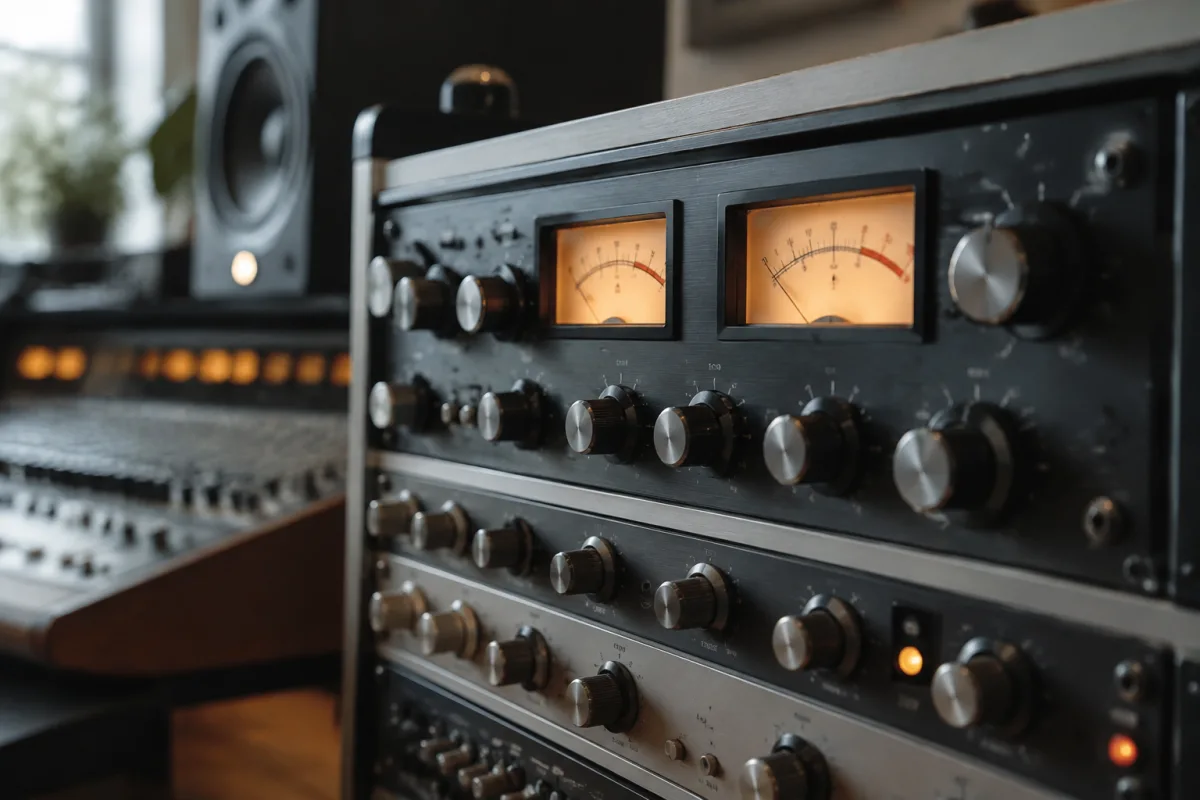
Behringer audio compressors offer budget-conscious recording musicians and producers a way to add dynamic control to their studio without expensive outboard gear. Compression is one of the most essential audio processing tools, controlling volume dynamics, adding punch and glue to mixes, and shaping tone across vocals, bass, drums and instruments. Whilst professional-grade compressors from brands like Universal Audio or Neve cost thousands, Behringer delivers functional compression at a fraction of the price—ideal for home studios, small venues and anyone learning audio engineering. This guide explores how compressors work, what Behringer offers, and whether budget compression suits your recording needs.
What Does a Compressor Do?
A compressor automatically reduces the volume of loud passages whilst leaving quiet passages untouched. This dynamic control prevents audio peaks from clipping (distorting), and crucially, allows quieter details to be heard clearly without peaks consuming all the headroom. On vocals, compression glues the performance together, making loud phrases sit naturally with quieter ad-libs. On bass, it tightens inconsistent playing, creating a punchy, solid foundation. On drums, compression adds power and cohesion. Across entire mixes, compression adds glue and cohesion that makes amateur recordings sound more professional.
Understanding compression parameters matters for effective use:
- Threshold — the volume level above which compression begins
- Ratio — how much volume reduction occurs once the threshold is exceeded (4:1 is common; 8:1+ is heavy)
- Attack — how quickly compression engages after a loud peak
- Release — how quickly compression disengages after a peak passes
- Make-up gain — how much output level to apply, compensating for compression-induced volume reduction
Behringer Compressor Models and Specifications
Behringer's compressor lineup includes both hardware (physical compressor units and preamps with integrated compression) and plugin options. The MDX series (MDX2000, MDX2600, etc.) offers real-time dynamic processing with multiple channels and advanced controls. These budget units use simple, proven compressor designs without exotic components, making them reliable if not sonically luxurious. Behringer also produces channel strips and microphone preamps with integrated compression, useful for vocal recording and dynamic instrument tracking.
In the plugin realm, Behringer's digital signal processing tools via Behringer's B-Control software provide compression and other dynamics processing within DAWs, offering convenience and flexibility at minimal cost. These are often bundled free with Behringer hardware or available affordably as software purchases.
Sound Characteristics of Behringer Compressors
Behringer compressors prioritise function over sonic character. They don't add the warmth or colour that vintage tube compressors impart, and they lack the transparent, surgical precision of high-end solid-state designs. Instead, they do what they're designed to do—reduce loud peaks reliably without adding obvious artefacts. This straightforward approach suits mixing scenarios where you want compression without character, and learning applications where understanding compression fundamentals matters more than capturing a particular sonic signature.
For vocals and bass (applications where compression character matters greatly), premium compressors definitely sound superior. For drum bus compression, mix bus processing and general dynamic control, Behringer delivers sufficient quality at negligible cost.
Behringer Compressors vs Premium Alternatives
| Compressor Type | Price Range | Sound Character | Best For |
|---|---|---|---|
| Behringer Hardware | £50–300 | Neutral, functional, no added colour | Learning, budget studios, drum bus, mixing chains |
| Behringer Plugins | Free–£20 | Digital, transparent, no latency issues | Mixing in DAW, learning, cost-conscious production |
| Vintage Tube Compressors | £800–3000+ | Warm, musical, flattering to most sources | Professional studios, vocal and bass tracking |
| Modern Premium Compressors | £500–2000 | Transparent to character-driven (depending on model) | Professional mixing and mastering, critical tracking |
Practical Applications for Behringer Compressors
Vocal Recording
A Behringer compressor on a vocal recording bus helps tame dynamic range and glue the performance together. Settings like 4:1 ratio, moderate attack (30–100ms) and release (150–300ms) and a threshold set to catch only the loudest peaks work well. The result is a vocal that sits firmly in the mix without requiring excessive automation.
Bass Tracking
Bass benefits enormously from compression. A Behringer compressor with fast attack (10–25ms) and moderate release (100–200ms) tightens inconsistent playing and prevents unexpected peaks from destroying headroom. Ratio settings of 4:1 to 8:1 work nicely depending on how aggressive you want the effect.
Drum Bus Processing
A Behringer compressor across your drum bus adds punch and cohesion. Light settings (2:1 or 3:1 ratio, slow attack to preserve impact, moderate release) provide glue without obvious pumping or excessive dynamic reduction.
Mixing Chain
Placed on your mix bus or individual channel inserts, Behringer compressors help control dynamics and add cohesion. A very transparent setting—low ratio, gentle threshold—provides subtle control that polishes a mix.
Limitations and Drawbacks of Behringer Compressors
- Sonic character is minimal — they don't add warmth or colour; functional neutrality suits some applications but limits artistic possibilities
- Build quality is budget-level — Behringer hardware, whilst reliable, doesn't have the robust construction of professional-grade equipment and may not survive decades of heavy use
- Interface design is utilitarian — small knobs and cramped layouts make adjustments slower than on professional gear
- Support and reliability history is mixed — some units fail prematurely; warranty support is basic
Budget Considerations and Value Proposition
At £50–150 for basic hardware compressors, Behringer delivers enormous value for learning and budget-conscious studios. A £100 Behringer compressor might achieve 60–70% of the functionality and 40–50% of the sonic quality of a £1000 professional unit. For beginners learning compression, this represents excellent value—the money spent learning to use compression properly on affordable gear pays dividends when you eventually work with premium equipment.
Alternatives and Upgrade Paths
If your budget allows, quality used professional compressors often cost £200–500 and deliver significantly superior sound. Alternatively, plugin-based compression (available free or cheaply) provides surprising quality through your DAW. Many professional engineers own at least one premium compressor (often vintage tube or classic solid-state) for critical tracking, supported by budget compressors for mixing and general processing—a balanced approach that optimises sonic results while managing costs.
Conclusion
Behringer audio compressors deliver straightforward dynamic control at prices that make compression accessible to everyone. They're not sonically luxurious, but they work reliably and teach you how compression functions. For home studios, learning applications, and mixing scenarios where compression serves a functional role, Behringer provides excellent value. As your skills and budget grow, you'll naturally explore premium compressors that offer more sonic character and refinement—but starting with Behringer is entirely reasonable and cost-effective.



Comments