
Audio Mixer Behringer article
The Complete Guide to Audio Mixer Behringer
Behringer audio mixers deliver professional features and clean sound at accessible prices. Learn which models suit bedroom producers, gigging musicians and venue engineers.
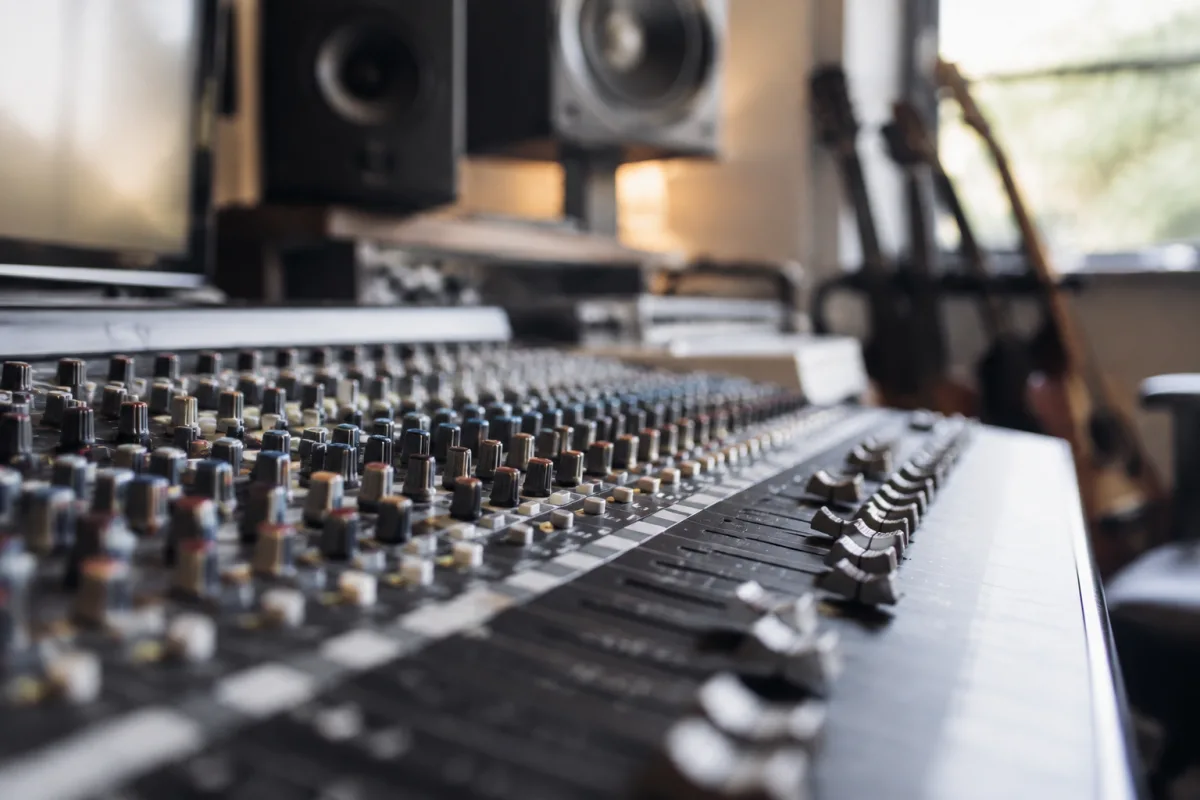
An audio mixer Behringer manufactures has revolutionised the music production landscape by delivering professional-grade mixing capability at fraction-of-the-price costs. Whether you're a bedroom producer, live sound engineer or gigging musician, an audio mixer Behringer offers provides the features and connectivity you need without the premium price tag that deters hobbyists and emerging professionals.
Who Is Behringer and Why Their Mixers Matter
Behringer, a German audio equipment manufacturer, has built a global following by refusing to compromise on core functionality whilst keeping prices accessible. Their audio mixer range spans from compact portable units (perfect for podcasters and street buskers) to deep, feature-rich models (suitable for touring bands and installation work). The company's philosophy: great sound and serious features should not require a mortgage payment.
Behringer mixers appear in home studios, touring rigs, venues and broadcast facilities worldwide. Their philosophy of accessible professional audio has democratised music production, enabling creators on tight budgets to compete sonically with competitors spending ten times more.
Types of Behringer Audio Mixers
| Series | Channels | Best For | Price |
|---|---|---|---|
| UMX (compact) | 2–4 channels | Podcasters, DJs, portable recording | £40–80 |
| XENYX (midrange) | 8–32 channels | Small venues, project studios, live sound | £100–600 |
| X32 (digital) | 32 channels (expandable) | Large touring rigs, festivals, broadcast | £2000–3000 |
| iO|Mix (USB interface) | 2–8 channels | Home recording, music production, streaming | £100–300 |
The XENYX series is Behringer's workhorse, appearing in countless small-to-medium venues and project studios. The compact UMX series serves mobile producers and content creators. The X32 is an industry-standard digital console for large rigs.
Key Features Found on Behringer Mixers
Built-in effects and EQ are standard on mid-range and higher models. Most Behringer audio mixers include reverb, delay and compression, plus three-band or parametric EQ on every channel. This means you can shape sound without external processors.
USB audio connectivity lets you record directly to your computer, making Behringer mixers ideal for home studios and podcasters. Many models function as both a mixing console and an audio interface simultaneously.
Phantom power (48V) on most models lets you connect condenser microphones and active direct boxes, expanding your input options beyond dynamic mics.
Rugged construction is a Behringer trademark. Their plastic-bodied mixers survive touring, weather and rough handling better than flimsy alternatives. Steel frames on larger models add durability.
Audio Mixer Behringer Models for Different Needs
For the bedroom producer: An audio mixer Behringer offers like the XENYX X1204 (£150–200) includes eight channels, USB audio, built-in effects and enough connectivity for a home studio. Compact, reliable and packed with features.
For the gigging musician: The XENYX Q1202USB (£120–170) is a portable mixer that fits in a gig bag, includes effects, USB recording and sturdy construction. Perfect for solo artists and small bands.
For the venue sound engineer: The XENYX X2442USB (£300–400) provides 24 channels, motorised faders, built-in effects and a stage-friendly form factor. Used in countless bars, clubs and event spaces.
For the professional touring rig: The X32 (£2200–3000) is a digital console with 32 channels, extensive processing, wireless monitoring capabilities and networking. It's the choice of touring festivals and large-scale events.
Sound Quality and Specifications
Behringer mixers deliver clean, transparent audio. Signal-to-noise ratio is typically 100dB or better on professional models; frequency response flat across 20Hz–20kHz. This means your recordings won't suffer from hiss or colour. Whether recording podcasts, mixing a live show or producing beats, an audio mixer from Behringer captures pristine sound.
The built-in preamps are solid—not as warm as vintage Neve or SSL (which cost £10,000+), but perfectly adequate for professional work. On higher-end models, the X32's Midas preamps are genuinely impressive, rivalling mixing consoles costing three times more.
Common Criticisms and Honest Caveats
Behringer's budget pricing occasionally invites quality concerns, mostly unwarranted. Their build quality is reliable, but cheaper plastic enclosures (versus more expensive metal frames) may inspire less confidence in a fancy venue. Some engineers dismiss Behringer as "budget" without realising that many touring bands use their equipment successfully.
The compact models can feel cramped when running a large session; expansion via external controllers helps. Documentation is sometimes sparse, so online tutorials are essential for learning the instrument.
Why Behringer Remains the Choice for Budget-Conscious Creators
An audio mixer from Behringer delivers professional sound and features at entry-level prices. You sacrifice neither quality nor connectivity—only the premium prestige of owning a Neve or SSL. For emerging producers, DJs, podcasters and gigging musicians, that trade-off is sensible. Spend your budget on microphones, instruments and talent; let Behringer's affordable mixer handle the rest.
In an era of expensive audio gear, Behringer's commitment to professional audio at accessible prices makes them indispensable. Whether you're starting out or running a touring operation, you'll find an audio mixer from Behringer that fits your needs and your wallet.


Comments