


Behringer Digital Piano article
Behringer Digital Piano for Beginners: A Complete Guide
Behringer digital pianos bring weighted keys and decent sounds to budget players. This guide covers why they're great for learning piano without breaking the bank.
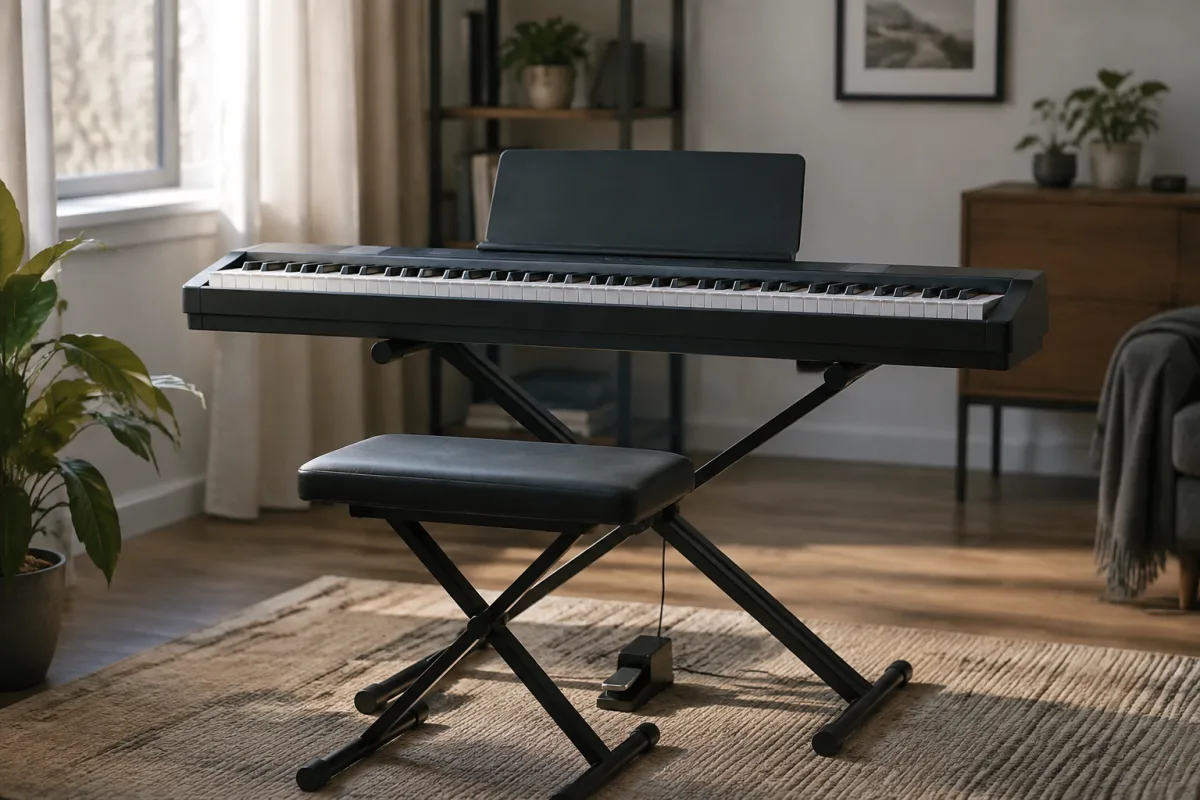
Behringer Digital Pianos for Beginners: Starting Your Piano Journey Affordably
Behringer is known for affordable music gear, and their digital pianos bring that ethos to keyboard learning—you get weighted keys and decent sounds without spending £3,000 on a Roland or Yamaha stage piano. A Behringer digital piano at £300–600 is honest gear for a nervous beginner: it won't embarrass you, plays smoothly out of the box, and holds resale value reasonably. This guide covers what makes a Behringer digital piano suitable for starting piano, what specs matter, and how to avoid the pitfalls of budget instruments.
Why Behringer Digital Pianos?
Behringer's philosophy is democratising music—making professional tools affordable. A Behringer digital piano at £400 has weighted keys, multiple piano sounds, headphone output, and MIDI connectivity. Ten years ago, you'd spend £1,500 for those features. Behringer pedals their gear down production costs without catastrophic corners. Build quality isn't premium, but it's solid. Tonally, Behringer samples real pianos well—the sound is clean and responsive, perfect for learning.
Behringer Digital Piano Models
Behringer's lineup includes the CP1, P-95, and various stage models. Entry-level Behringer digital pianos (CP1 range) cost £300–500 and suit learning, practice, and bedroom use. Higher-tier Behringer models push £700+. For a beginner, the entry-level Behringer digital piano offers excellent value—don't overpay for professional features you won't use for five years.
Weighted Keys: Why They Matter for Learning
A Behringer digital piano's weighted keys are arguably the most important feature. Unlike a portable keyboard (which has light, springy keys), weighted keys on a Behringer simulate acoustic piano resistance. This trains proper piano technique—using arm weight and finger control instead of just velocity. If you're serious about learning piano, weighted keys are non-negotiable. Most Behringer digital pianos at £400+ have weighted or semi-weighted keys. Cheaper models (under £300) may not; inspect specs carefully.
Sound Quality and Piano Voices
A Behringer digital piano typically includes 3–10 piano sounds (different acoustic pianos sampled at various dynamics). Quality varies. Behringer's piano samples are clean and playable—not the lush, nuanced tones of a £5,000 stage piano, but honest and inspiring for learning. The strings, organs, and synth sounds are basic but usable. Spend a week with one, and you'll develop affection for its character.
Connectivity and USB
Most Behringer digital pianos include MIDI out and USB, allowing you to connect to a DAW (like Ableton or Logic Pro) and record yourself playing. This is powerful for composition and progress tracking. Headphone output is standard—practice silently without disturbing others. These aren't luxuries; they're expected on any modern digital piano, Behringer included.
Build Quality: Realistic Expectations
A Behringer digital piano isn't a boutique instrument. The cabinet is plastic, not wood. The build is industrial, not elegant. But it's durable—keys feel stable, the pedals are responsive, and the unit doesn't rattle or creak. For a learning instrument, that's enough. Don't expect handcrafted finishes or premium materials; expect a solid, reliable machine that does its job.
Pedals and Expression
A Behringer digital piano includes three pedals (soft, sostenuto, sustain), mimicking an acoustic piano. The Sustain pedal extends note decay (essential for piano). The Soft pedal shifts the sound subtly (cosmetic but welcome). The Sostenuto holds specific notes (advanced, rarely needed for learning). Having three pedals teaches the real technique—unlike one-pedal portables, a Behringer digital piano demands respect.
Sound Engine: Sampling vs Modelling
Behringer digital pianos use sampled sounds—recordings of real pianos played at various dynamics and velocities. This is the industry standard for realistic tones. Some competitors (Korg, Roland) use modelled sounds (mathematically generated). For piano learning, sampling is warmer and more forgiving. Behringer's approach suits beginners.
First-Year Setup Cost
| Item | Cost | Notes |
|---|---|---|
| Behringer digital piano (e.g., CP1) | £300–500 | Entry-level, weighted keys |
| Bench or keyboard stand | £40–100 | Proper seating matters |
| Sustain pedal (if not included) | £30–60 | Usually included |
| Headphones (optional) | £30–100 | For silent practise |
| Learning resources (books, lessons) | £0–50 | YouTube is free; lessons are optional |
| Total | £400–810 | Modest investment |
New vs Secondhand Behringer Digital Pianos
Used Behringer digital pianos appear on secondhand markets regularly. Check that all keys respond, the sustain pedal works (most common failure point), and the unit powers on without glitches. Behringer digital pianos are tough—they survive gigging and bedroom abuse. A five-year-old Behringer plays as well as a new one if maintained. Buying used saves £100–150 and teaches you whether digital piano is your path before commitment.
Common Beginner Mistakes with Behringer Digital Pianos
Don't assume a cheap digital piano plays like an acoustic—it doesn't, but that's OK for learning. Don't ignore weighted keys; a light-action digital piano misleads your technique. Don't skip a dedicated bench or stand; slouching at the piano causes back pain and bad habits. And don't assume you need every feature—a simple Behringer digital piano with piano sounds, headphones, and sustain covers 95% of beginner needs.
Transitioning from Behringer to Acoustic
Many beginners start on a Behringer digital piano, then upgrade to a stage piano (Roland FP-90X, Yamaha P-515) after 1–2 years. A Behringer teaches fundamentals; an upgraded stage piano teaches refinement. This progression is sensible and economical. After six months on a Behringer, you'll know if piano is your thing—the low cost means low regret if it isn't.
Expression and Dynamics
A Behringer digital piano responds to how hard you play—velocity sensitivity means soft playing sounds soft, aggressive playing sounds aggressive. This responsiveness teaches touch control, a cornerstone of piano technique. Budget digital pianos often flatten dynamics; Behringer preserves them. This alone justifies choosing Behringer over cheaper alternatives.
Bonus: Recording Yourself
Most Behringer digital pianos record to a USB drive or computer. Recording yourself playing teaches ear training (you hear every mistake clearly) and builds documentation of progress. Listening back to your playing from month one versus month six is motivating and instructive. Don't underestimate this feature.
Bottom Line
A Behringer digital piano at £400–500 is an honest first piano—weighted keys, decent sounds, and solid build for the price. It won't make you a concert pianist (no digital piano will), but it will teach proper technique and keep you engaged. Start here, play daily for six months, then decide if you're upgrading to a fancier model or if a Behringer suits you indefinitely. The low cost and practical design make it a smart first choice. For deeper context on Behringer's range and how to choose among their digital piano models, see the complete Behringer digital piano guide covering specifications and alternatives.
FAQ
Is a Behringer digital piano suitable for serious piano students?
Yes, for the first 1–2 years. The weighted keys teach proper technique. After that, a premium stage piano or acoustic might inspire deeper learning. But many pianists stay on Behringer indefinitely and develop genuine skill.
Do I need a stand for a Behringer digital piano?
Not mandatory, but recommended. A proper stand puts the keys at the correct height for good posture. Playing on a table strains your back. Budget £40–60 for a basic stand.
Can I use a Behringer digital piano with music production software?
Yes. USB MIDI connectivity lets you trigger instruments in Ableton Live, Logic Pro, or any DAW. This opens creative possibilities for composition and production.
How many piano sounds do I need?
One good one is enough for learning. A Behringer typically has 3–5 quality pianos. Most beginners use one favourite and ignore the rest. Variety is nice but not essential.
Should I buy a Behringer digital piano new or secondhand?
If you're uncertain about commitment, secondhand is smarter (save £100–200). If it's a gift or you want a warranty, new is reasonable. Behringer's build means used units are reliable.
What's the difference between a Behringer digital piano and a stage piano?
A Behringer is designed for learning and bedroom use (lighter, cheaper). A stage piano (Roland, Yamaha) is designed for touring—more durable, premium sounds, higher cost. For beginners, Behringer suffices.
Can I upgrade from a Behringer later?
Absolutely. A Behringer holds resale value at 50–70% of purchase price. After six months, if you're serious, upgrade to a better model and recoup most of your investment.
Do Behringer digital pianos need maintenance?
Minimal. Keep dust off, avoid extreme humidity, and maintain the sustain pedal mechanism (it can wear with heavy use). No oiling, tuning, or complex repairs like acoustic pianos.



Comments