


Yamaha Violin Buying guide
Yamaha Violin: A Complete Buyer's Guide
A Yamaha violin suits learners and professionals alike. This guide helps you evaluate models and understand what specs matter at each price tier.
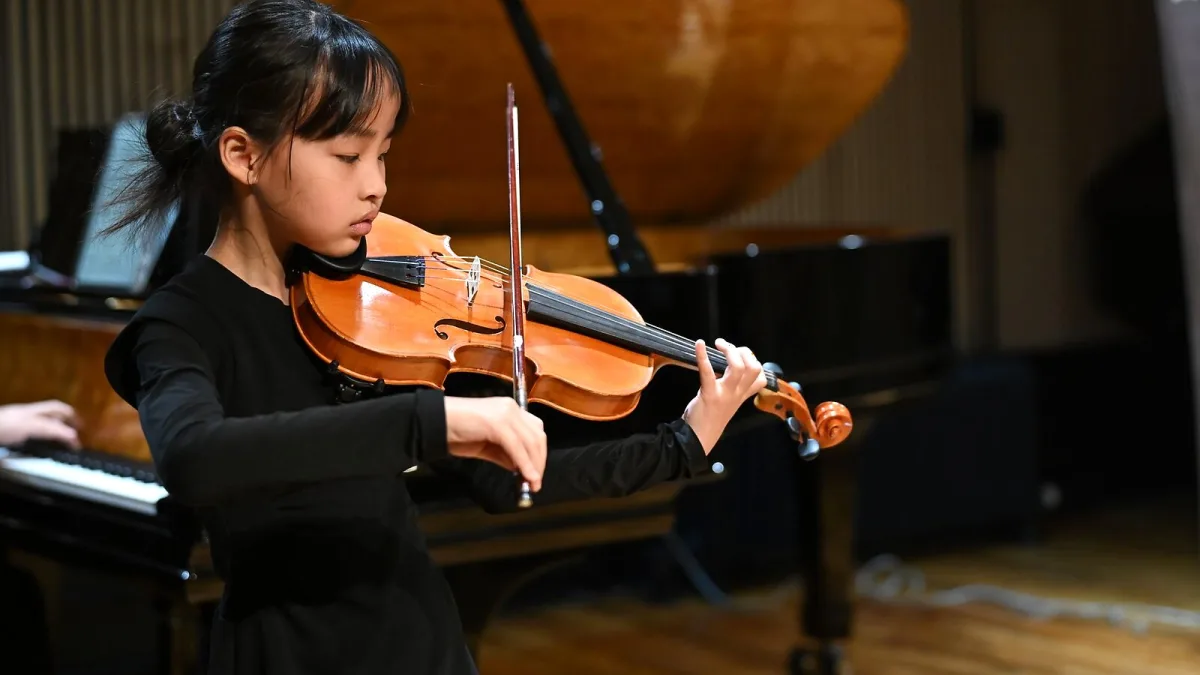
Choosing a Yamaha violin requires understanding the brand's range and what specs actually matter at each price point. Yamaha produces student, intermediate, and professional models, and the differences aren't just price—they're materials, sound quality, and long-term value. This guide covers what to evaluate when buying a Yamaha violin and how to avoid common mistakes.
Yamaha's Violin Range
Yamaha violin models span from budget student instruments (£200–£400) to professional violins (£2,000–£5,000+). Understanding where your needs fit is the first step. Student Yamaha violin models suit complete beginners; intermediate models work for serious hobbyists and developing musicians; professional Yamaha violin instruments serve professionals and advanced players. Buying at the wrong level wastes money.
Key Specs for Comparison
- Spruce and maple grades. A Yamaha violin's wood quality dramatically affects sound. Solid spruce tops and maple backs cost more but sound warmer and more resonant. Laminated wood in budget models sounds thinner but is durable for learning.
- Bridge and tailpiece. Mid-range Yamaha violin models often include decent bridges; budget models use cheaper ones. A quality bridge (£30–£60 upgrade) improves tone noticeably.
- Strings included. Some Yamaha violin models ship with cheap factory strings. Upgrading to Dominant or Evah Pirazzi strings (£60–£150 set) improves sound significantly. Factor this into your budget.
- Setup quality. A poorly set-up Yamaha violin sounds worse than a well-set-up budget model. Professional setup (£50–£150) can transform an instrument. Verify whether the retailer includes professional setup.
- Varnish and finish. Yamaha violin professional models use superior varnish that affects resonance and aesthetics. Student models use simpler finishes that don't affect playability but look less refined.
What to Check Before Buying
- Play before committing. Every Yamaha violin sounds slightly different. Audition multiple instruments at the price point and choose the one with the warmest, most responsive tone for you.
- Check the action (string height). High action means the strings sit far from the fingerboard, making playing tiring. A well-set Yamaha violin has action around 3.5–4mm. Cheap adjustment (£20–£50) solves this.
- Inspect the bridge angle. The bridge should be perpendicular to the top. Bent or leaning bridges indicate improper storage or handling. Avoid buying a Yamaha violin with bridge issues unless you're getting a major discount for repairs.
- Test the pegs. Fine tuners on a Yamaha violin should turn smoothly. Stiff or grinding pegs indicate poor maintenance or cheap materials. This affects daily playability.
- Listen for open string clarity. Play open strings on any Yamaha violin you're considering. They should ring clearly without buzzing. Buzzing indicates either a setup problem or internal damage.
Price Tiers and Value
- Budget (£200–£500). Entry-level Yamaha violin models. Solid for learning basics. Laminated wood, simpler setup. Most outgrow these within a year or two of serious practice.
- Intermediate (£500–£1,500). Better materials, improved sound, professional setup. A serious Yamaha violin choice for committed students and hobbyists. Often serves players for years without needing replacement.
- Professional (£1,500–£5,000+). Hand-crafted quality, tonal complexity, investment potential. For professionals, recording musicians, and advanced amateurs who practise extensively.
New vs. Student Models
Yamaha's student line (like the V5) is excellent value—often cheaper than competitors with better build quality. Their intermediate line (V7, V10) steps up significantly in materials and tone. Determine whether you need growth room (intermediate) or just learning capability (student) before buying.
Common Mistakes When Buying
- Buying too cheap as a "test" and then blaming the instrument. A £250 Yamaha violin won't inspire anyone. If you're serious about learning, invest at least £500–£800.
- Ignoring setup costs. A new Yamaha violin often needs professional setup (£100–£200). Budget this into your total cost; it transforms playability and sound.
- Not factor in bow and rosin. A Yamaha violin is just the start. Add £100–£300 for a decent bow and £20 for rosin. Many buyers underestimate this.
- Buying online without audition. String instruments are deeply personal. Sound varies wildly between individual examples. Audition in person if possible, or buy from retailers with free returns.
- Overlooking resale value. A mid-range Yamaha violin holds value better than budget models. If you might sell later, invest in intermediate quality.
Where to Buy
Violin shops let you audition and often include professional setup. Online retailers (Sweetwater, Thomann) offer competitive prices and returns policies. Second-hand Yamaha violin markets (Reverb, local ads) offer 20–40% savings but require inspection. Buying from a reputable retailer matters more than finding the absolute cheapest price—you need support and warranty.
Final Recommendations
Buy a Yamaha violin that matches your commitment level and budget. A beginner should invest £500–£800 in an intermediate model; intermediate players benefit from stepping to professional-grade if the budget allows. The difference in sound and playability is worth the investment for serious musicians. Don't underspend thinking you'll upgrade later—a quality Yamaha violin often becomes your trusted instrument for years.



Comments