


Player Violin article
Player Violin for Beginners: A Complete Guide
A beginner's guide to starting violin, covering what to expect, choosing your first player violin, practice habits, common mistakes, and realistic first-year milestones.
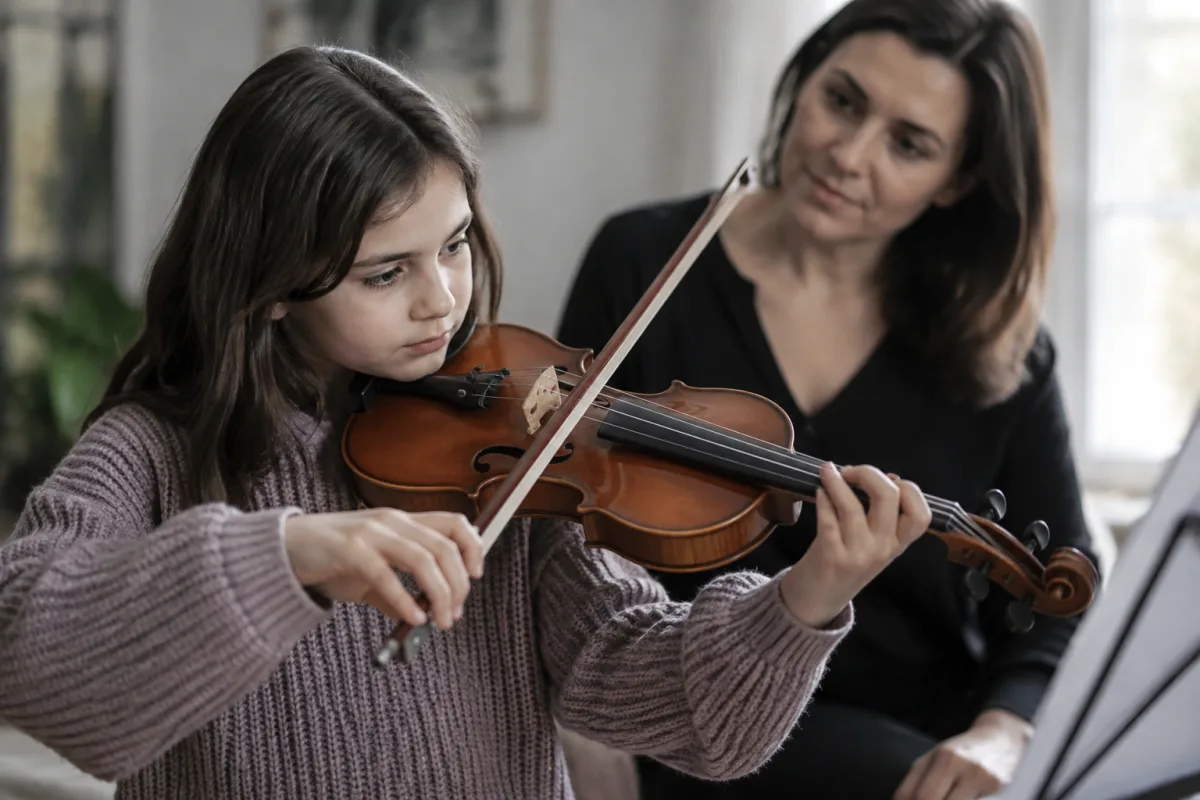
Starting violin as an adult or teenager feels daunting. The learning curve is steeper than guitar, progress seems impossibly slow, and you're certain everyone will cringe at your squeaky first attempts. Here's the encouraging truth: every accomplished violinist started exactly where you are, and the squeaky phase is temporary and surmountable. This beginner's guide walks you through your first year with a player violin, explaining what to expect, how to progress realistically, where beginners typically struggle, and how to avoid discouragement. We'll focus on the practical journey of learning rather than theoretical violin knowledge. For comprehensive information on violin types, construction, and history, see our complete guide to player violins.
Why Violin: Understanding Your Commitment
Violin demands more upfront commitment than many instruments. Acknowledging this prevents frustration later.
Violin requires: patience (progress is gradual), a teacher (self-teaching leads to bad habits that are hard to unlearn), daily practice (15–30 minutes minimum), physical discipline (bow control and finger strength develop slowly), and acceptance of sounding rough initially (this phase is unavoidable). If these sound acceptable, violin offers genuine rewards. If any seem impossible, consider guitar or piano first—both offer faster initial gratification.
That said, starting violin as a beginner is genuinely achievable. Thousands of adults begin violin every year and progress to real competence within one or two years of consistent practice. You're not special or uniquely committed—you just need realistic expectations and regular practice.
Choosing Your First Violin: Avoid These Mistakes
A poor beginner violin discourages practice more than any other factor. Investing in a decent instrument dramatically improves your experience.
Avoid "student" violins under £80: Cheap violins sound poor and are difficult to play in tune. The frustration of wrestling an instrument that refuses to sound acceptable demoralises beginners faster than anything else. A player violin in the £150–£300 range sounds dramatically better and encourages daily practice.
Avoid extremely expensive violins initially: Professional violins cost thousands of pounds. As a beginner, you don't have the ear to appreciate quality differences between a £300 and £3000 instrument. Spend modestly, upgrade after two years when you actually know what you want.
Avoid buying without trying: Different violins have different response and tone. Spend time on any violin before purchasing. A shop allowing 30-minute trials provides genuine information. Online purchases without tryouts risk receiving an instrument that feels wrong, even if specs are identical.
Avoid wooden chinrests initially: Wooden chinrests can cause discomfort until your neck calluses form. A plastic chinrest simplifies this learning phase. Upgrade to wooden later if desired.
What Comes with Your Violin: The Complete Setup
A basic violin doesn't function alone. Budget includes these essentials.
Bow: Essential for sound production. Beginner bows are included with most student violins but vary in quality. A decent bow costs £30–£50 separately if needed. Don't skimp—a poor bow makes playing unnecessarily difficult.
Rosin: Applied to bow hair to create friction. A small cake lasts months. Cost: £3–£5. Never forget this—a bow without rosin produces barely audible sound.
Shoulder rest: Holds the violin secure whilst playing. Essential for comfort. Cost: £10–£20. Avoid playing without one—injury risk increases significantly.
Tuner: Essential for checking pitch. A clip-on electronic tuner costs £10–£15 and eliminates guesswork. Combined with a teacher's ear, it speeds learning dramatically.
Music stand: Holds sheet music at eye level during practice. Cost: £8–£20. Essential for reading music whilst playing.
String replacements: Strings eventually wear out or break. Budget £20–£40 for occasional replacements after 6–12 months.
Total beginner setup (violin + bow + rosin + shoulder rest + tuner + stand): approximately £200–£350. Don't cut corners on the violin itself—the accessories are minor expenses compared to instrument quality.
Your First Lesson: What to Expect
Finding a good teacher is perhaps the most important decision in your violin journey. A poor teacher creates bad habits; a good teacher accelerates progress dramatically.
Finding a teacher: Local conservatories, music schools, and experienced private instructors are ideal. Ask friends who play music for recommendations. Avoid teachers advertising online exclusively without established credentials. A first lesson should feel exploratory—your teacher learns your current ability and goals while you experience their teaching style.
What a good first lesson covers: Proper posture and bow hold (non-negotiable and worth spending weeks perfecting), basics of reading music if you're unfamiliar, understanding how the bow produces sound, and probably playing an open string or two. You'll produce sound that first day—actual music-making, not theoretical learning.
Lesson frequency: Weekly lessons are standard. Your teacher provides structure and prevents bad habits from developing. Without weekly input, most beginners drift into inefficient practice patterns.
The Squeaky Phase: When Progress Feels Impossible
Your first 2–4 weeks will sound rough. This isn't a sign you're terrible; it's a sign you're learning.
Bow control takes time. Your brain is coordinating hands and arms doing unfamiliar things simultaneously. Sound quality will be inconsistent, scratchy, and sometimes unrecognisable as music. This is completely normal. Every violinist you admire sounded exactly this way initially.
Surviving the squeaky phase: Accept it. Practice in a dedicated space where others don't hear you or won't mind rough sounds. Daily 15-minute sessions beat sporadic longer sessions—consistency teaches your muscles and ear far faster than intensity. Record yourself weekly and listen back in one month; you'll hear dramatic improvement despite daily practice feeling frustratingly static. Talk to your teacher about progress; they'll celebrate improvements you won't notice yourself.
Building Practice Habits: The Foundation of Learning
Violin progress depends almost entirely on practice consistency, not talent.
Daily practice, not weekly marathon: Fifteen minutes daily outperforms one 90-minute session weekly. Daily practice trains muscle memory and improves embouchure (the physical positioning required for good sound). Sporadic practice requires relearning basics each session.
Structured practice: Don't just play pieces you enjoy. Follow your teacher's guidance: scales and technical exercises develop efficiency, then apply those techniques to pieces. This progression prevents bad habits. Many beginners skip exercises, then wonder why they plateau.
Focus on fundamentals: Bow control and intonation matter more than playing fast or complex pieces. A beginner playing simple melodies with good tone impresses; a beginner sight-reading advanced pieces with squeaky, flat intonation sounds mediocre. Focus on fundamentals.
Celebrate small wins: Your first clean major scale, the first time a piece sounds intentional rather than accidental, the first time someone asks "are you playing violin?" instead of "what's that sound?"—these are victories. Acknowledge them.
Common Beginner Mistakes That Slow Progress
Awareness of these pitfalls helps you sidestep them.
Ignoring posture and bow hold: These feel tedious at first, but violinists spend years correcting bad habits from day one. Invest the first weeks in positioning before advancing. Your teacher will repeat this endlessly for good reason.
Neglecting rhythm and counting: Beginners focus entirely on note accuracy and ignore time. This creates performances that sound technically competent but musically unconvincing. Count aloud during practice. Use a metronome from day one.
Comparing yourself to experienced violinists: Watching advanced violinists play is discouraging when you're squeaky. Watch instead for inspiration, but remember they've invested years. Your one-month violin playing versus their ten-year journey isn't a fair comparison. Compare yourself to where you were one month ago—that's the relevant metric.
Giving up during plateaus: Progress isn't linear. You'll improve rapidly for weeks, then feel stuck for a while, then suddenly jump forward again. Plateaus feel frustrating but are actually when your brain consolidates learning. Push through them.
Trying to self-teach: It's possible but creates bad habits that experts must unlearn later. A teacher provides correction, structure, and accountability that dramatically accelerates learning. Invest in lessons from the start.
Realistic Expectations: Your First Year Milestones
Understanding realistic progress prevents discouragement.
Weeks 1–4: Learning basic posture and bow hold, producing recognisable sound from open strings. This feels tediously slow but is crucial foundation-building.
Weeks 4–8: Playing single-string melodies, learning simple note reading, understanding basic bow techniques. You'll sound rough but increasingly controlled.
Weeks 8–16: Playing simple pieces across multiple strings, understanding finger positioning, developing intonation awareness. Squeaky phase diminishing. Actual music begins emerging.
Months 4–6: Playing recognisable simple melodies, beginning two-string pieces, developing consistent tone production. Others can finally identify what you're playing. This is the breakthrough moment.
Months 6–12: Playing increasingly complex pieces, improving intonation noticeably, developing musical expression beyond note accuracy. You're becoming a violinist, not someone pretending to play violin.
These timelines assume consistent practice (15–30 minutes daily) and weekly lessons. Skip either, and progress significantly slows.
Encouragement for the Long Journey
Violin learning is challenging and rewarding in equal measure. The squeaky phase is temporary. The slow initial progress gives way to noticeable improvement by month four. The investment in a decent player violin and regular lessons pays dividends.
Every violinist you admire—from amateurs in local orchestras to professionals on concert stages—started exactly where you are: squeaky, uncertain, questioning whether this was a good decision. They pushed through, practiced consistently, and developed real skill. You can too.
The journey from complete beginner to someone who can play actual music takes discipline but isn't impossible. If violin genuinely calls to you, the rewards justify the effort. Begin with a decent player violin, find a good teacher, accept the squeaky phase, practice consistently, and trust the process. In one year, you'll barely recognise your improvement from day one.



Comments