


Full Size Violin article
Full Size Violin for Beginners: A Complete Guide
Starting violin? This guide explains why a full size violin is right for most adults, what to look for, realistic learning expectations, and how to set up your first violin.
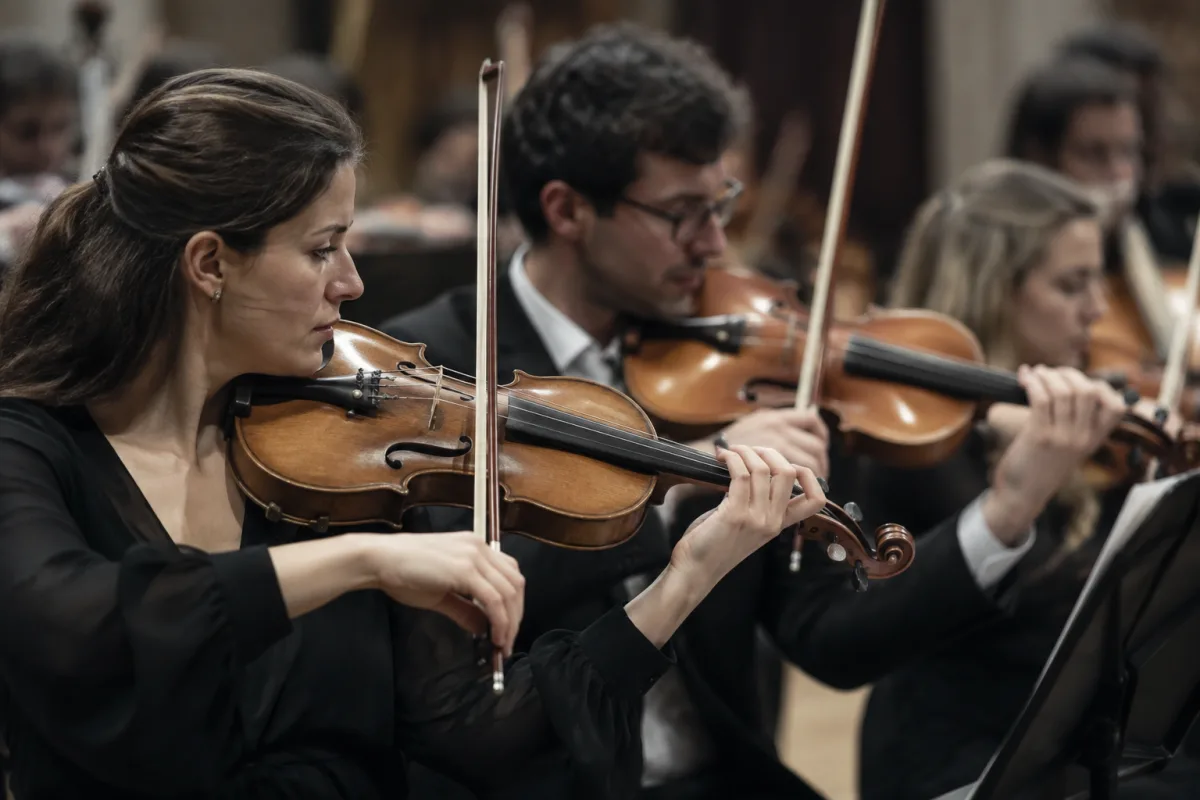
Starting Violin with a Full Size Violin
If you're thinking about learning violin, one of your first questions is probably about size. You'll hear talk of "4/4" violins, "3/4" violins, and "full size violin" terminology—and it can feel confusing. The good news is simple: most adults learning violin need a full size violin, and understanding why will help you make a confident choice. This guide explains full size violins, how they differ from smaller versions, and what beginners should know about buying and learning on one.
What Is a Full Size Violin?
A full size violin is the standard adult violin, measured as a "4/4" in the violin sizing system. It's the size that professional orchestras use, that classical violinists play, and that most adult beginners learn on. The body length is typically 356mm (around 14 inches), and the overall length with the tailpiece is roughly 595mm (23 inches).
When you see a violin listed as "full size" or "4/4," that's a full size violin. It's the largest standard size available, designed for adults and older teenagers with average or larger hand sizes.
Full Size Violin vs. Fractional Sizes
Violins come in fractional sizes: 1/8, 1/4, 1/2, 3/4, and 4/4 (full size). These fractions don't indicate the actual size reduction—they're historical designations. A 1/8 violin is dramatically smaller than a full size violin, while a 3/4 is noticeably smaller but still substantial.
Smaller violins are designed for children. A 1/4 size suits roughly ages 4–6. A 1/2 size works for ages 6–8. A 3/4 size fits ages 9–12. By around age 13, most children are ready for a full size violin, as are all adults.
If you're an adult learning violin for the first time, a full size violin is almost certainly correct. Your hand size and arm length require it, and all standard learning material assumes you're playing a full size violin.
Why Full Size Violin Matters for Beginners
A full size violin is designed for proper hand and arm positioning. Learning on a smaller violin creates bad habits—awkward angles, tension, improper technique—that are hard to fix later. Even if you have smaller hands, a full size violin is still the right choice if you're an adult, because your arm length and overall proportions suit it.
Additionally, all violin learning methods, sheet music, and teaching assume you're playing a full size violin. If your violin is significantly smaller, the positions and techniques described won't match your instrument's reality.
Budget and Price for a Full Size Violin
Beginner full size violins range widely in price. A student full size violin (adequate for learning but modest in quality) costs around £100–£300. A decent intermediate full size violin might be £300–£800. A good-quality beginner full size violin from a reputable maker costs £200–£500.
As with most instruments, there's no need to spend a fortune starting out. A £200–£300 full size violin is perfectly adequate for learning. Avoid the cheapest models (under £80), which often have problems—poor setup, bad strings, tuning difficulties—that frustrate beginners. Spend enough for decent quality (£150+), and you'll have an instrument that stays in tune and responds to your playing.
New vs. Used Full Size Violins
A used full size violin can be excellent value if in good condition. Violins are robust instruments and improve with age if properly maintained. A 20-year-old full size violin in good condition often plays better than a new cheap one.
When buying used, check for cracks in the wood (which are expensive to repair), have a luthier inspect the setup and sound quality if possible, and confirm all pegs turn smoothly and the bridge is straight. A well-maintained used full size violin can cost 30–50% less than equivalent new models.
Sound Quality of Full Size Violins
A full size violin has inherent acoustic potential because of its larger body. The sound is fuller, warmer, and more resonant than smaller fractional violins. As a beginner, you won't produce concert-quality tone immediately—that takes years—but a decent full size violin will respond to your improvements and reward effort with better tone.
The key is choosing a full size violin with good fundamentals: responsive strings, a well-set bridge, and solid construction. These features matter more than the maker's name when you're starting.
Setup and Maintenance of Full Size Violins
A full size violin needs minimal maintenance if cared for reasonably. Keep it away from extreme temperature and humidity changes (which warp wood). Store it in a proper case when not playing. Avoid dropping it or subjecting it to impact.
A professional setup (adjusting bridge, nut, and strings to optimal playing position) costs £50–£150 and dramatically improves playability. New full size violins often come with basic setup; a luthier's adjustments make them play noticeably better.
Choosing Strings for Your Full Size Violin
Full size violins come with strings, but they're often cheap and poor quality. Upgrading to better strings (£30–£80 for a set) improves tone and tuning stability significantly. Don't replace strings immediately unless they're visibly damaged, but plan to upgrade after your first few months of playing.
Popular beginner-friendly string brands include Dominant, Evah Pirazzi, and Kaplan. Ask your teacher or a luthier for recommendations. Strings dramatically affect how a full size violin sounds and plays—good strings make learning more rewarding.
How to Hold and Play a Full Size Violin
A full size violin is held under the chin, with the scroll pointing slightly upward and to the left (for right-handed players). Your left hand holds and fingers the neck, your right hand bows. Proper posture is crucial and prevents tension and injury.
Learning correct technique from the start is far easier than fixing bad habits later. This is why a good teacher matters even more than the quality of your full size violin. A full size violin in average condition with excellent instruction beats an expensive violin with poor teaching.
Bows and Accessories for Full Size Violins
A full size violin needs a properly sized bow. Beginners often buy cheap bow-and-violin packages, which include poor-quality bows. A decent beginner bow costs £30–£80 and dramatically improves playability. The bow is arguably more important than the violin to sound quality—a good bow on an average violin sounds better than a bad bow on a great violin.
You'll also need a case (for protection and transport), rosin (to grip the bow hair), a tuner (to keep it in tune), and eventually a shoulder rest (which helps posture and comfort). These accessories total roughly £50–£100 and are genuine necessities, not luxuries.
Learning to Play: Realistic Expectations
Learning violin is challenging. The first weeks are frustrating—you won't sound good, your fingers will hurt, and progress feels slow. This is normal and universal. Most beginners who persist past the first month improve rapidly and start enjoying playing within 2–3 months.
Practice matters far more than the quality of your full size violin. A learner who practices 30 minutes daily on a £150 violin will progress faster than someone with a £1000 violin who practices sporadically. Start with a decent full size violin, find a good teacher, and commit to regular practice.
For more detailed information about full size violins, including different brands, comparing to fractional sizes, and advanced learning topics, read our complete guide to full size violins.
Conclusion
A full size violin is the standard choice for any adult or older teenager learning violin. Choose one with decent construction and setup (£200–£400), invest in good strings and a quality bow, and commit to learning with a qualified teacher. The full size violin you choose matters less than your dedication to practice and willingness to improve. Start well, practice regularly, and your full size violin will become an instrument that brings years of joy and satisfaction.


Comments