


Hidersine Violin Buying guide
Hidersine Violin: A Complete Buyer's Guide
Selecting a Hidersine violin requires understanding their product range and matching instruments to your skill level. This guide covers practical specifications, value assessment, and how to make informed purchasing decisions.
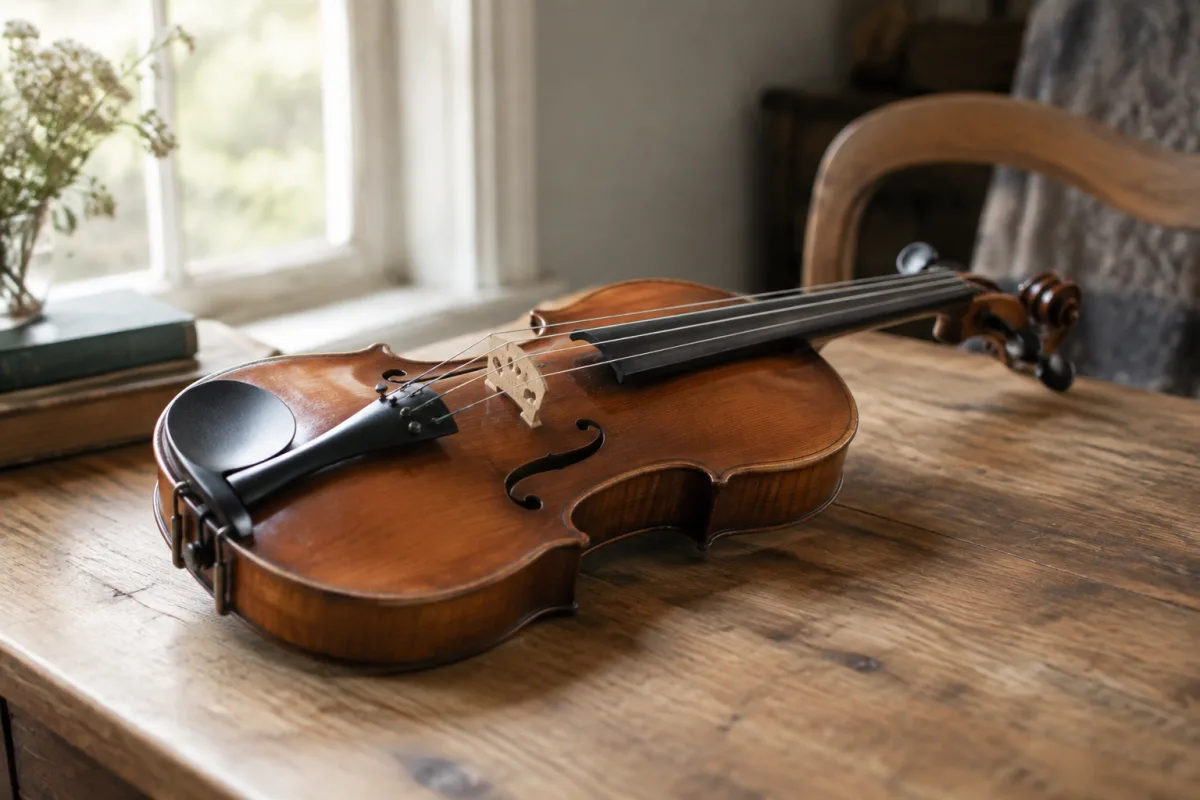
Hidersine has earned respect among violinists, students, and educators as a reliable UK manufacturer offering quality instruments at accessible price points. Selecting a Hidersine violin requires understanding their product range, evaluating which model suits your skill level and budget, and assessing quality indicators often overlooked by beginners. This guide focuses on practical purchasing decisions: bow quality, setup standards, wood selection, and how to identify genuine value within Hidersine's diverse catalogue.
Understanding Hidersine's Market Position
Hidersine manufactures student, intermediate, and semi-professional violins catering to learners through advancing players. They occupy a significant position in UK music education, with many school music programmes featuring Hidersine instruments. The brand balances affordability with respectable quality control, making them a sensible choice for those unwilling to invest thousands initially. However, Hidersine instruments don't compete with high-end handcrafted violins; understanding this positioning prevents unrealistic expectations and guides appropriate model selection.
Critical Specifications When Choosing a Hidersine Violin
Focus on these practical specifications before purchasing:
- Instrument Grade and Skill Level:** Hidersine categorises instruments by grade: Beginner, Elementary, Intermediate, and Advanced. These designations roughly correspond to player skill—beginners need responsive, forgiving instruments; advanced players need greater tonal complexity. Honestly assess your current level; purchasing advanced models without adequate technique frustrates rather than inspires.
- Wood Quality and Construction:** Entry-level Hidersine violins use laminated (layered) wood for durability and affordability. Intermediate models progress toward solid wood construction. Advanced models feature quality tonewoods—spruce tops and maple backs favour good tone production. Wood quality directly affects resonance, sustain, and tonal character. Better wood sounds richer but costs more.
- Bow Included:** Most Hidersine packages include bows, though quality varies by price tier. Student packages often include basic student bows adequate for learning. Upgrade-focused packages offer better bows. Evaluate bow quality alongside instrument quality; a mediocre bow on an excellent violin limits performance potential.
- Setup Quality and Adjustments:** Factory setup varies; some Hidersine violins require adjustment post-purchase (bridge positioning, fine tuner installation, chinrest adjustment). Reputable retailers perform basic setup; verify what's included before purchasing. Professional setup adds £50-150 but ensures playability.
- Sound Characteristics:** Hidersine instruments generally produce warm, balanced tones suitable for diverse repertoire. Some models emphasise brilliance; others favour warmth. Audition multiple models if possible; tonal preferences are personal and shouldn't be assumed.
- Case and Accessory Quality:** Hidersine packages typically include violin cases, shoulder rests, and rosin. Evaluate whether included accessories meet your needs. Upgrade options are available; assess whether bundled items justify cost or whether separate purchases offer better value.
Hidersine Model Range and Price Tiers
| Model Category | Typical Price | Best For | Key Characteristics |
|---|---|---|---|
| Beginner (e.g., 44M, 34M) | £80-150 | First-time learners, children, casual players | Laminated wood, simple setup, responsive for learning, adequate sound, excellent value |
| Elementary (e.g., 4/4 Standard) | £150-300 | Progressing students, ensemble players, part-time musicians | Solid wood options, improved response, better tonal warmth, modest bow upgrade, reasonable investment |
| Intermediate (e.g., Vivente, Elite Series) | £300-600 | Advanced amateurs, semi-professional players, serious students | Quality solid wood, responsive strings, improved intonation, better bows, suitable for performance |
| Advanced/Professional (e.g., Concert Series) | £600-1200+ | Professional musicians, serious amateurs, performance-oriented players | Premium tonewoods, superior craftsmanship, enhanced projection, professional-grade accessories |
Common Purchasing Mistakes to Avoid
Buying Advanced Models Without Adequate Skill: Purchasing a professional Hidersine violin as a beginner wastes money. Complex instruments demand refined technique to sound good; beginners benefit more from responsive, forgiving student models. Progress through grades as skills advance.
Neglecting Included Bow Quality: Bows significantly influence playability. Budget packages sometimes include poorly constructed bows limiting the violin's potential. Evaluate bow quality; if inadequate, budget for a separate upgrade. A £100 bow upgrade often provides greater playability improvement than a £100 violin upgrade.
Overlooking Professional Setup Costs:** Factories provide basic setup; professional luthier setup (£50-150) ensures optimal playability. Factor these costs into your total budget. Purchasing the most expensive violin within budget, then skipping setup, undermines your investment.
Assuming All Hidersine Violins Sound Identical:** Individual variation exists even within the same model. Tone preference is personal. Audition multiple instruments if possible; don't assume specifications guarantee satisfaction.
Forgetting About Case and Accessory Needs: Included cases serve basic protection but may lack durability for frequent travel. Shoulder rests included rarely match your anatomy perfectly. Budget for potential upgrades if touring or teaching plans are substantial.
Value Assessment: When Hidersine Makes Sense
Hidersine violins offer excellent value for beginning students, budget-conscious learners, and players seeking reliable instruments without premium pricing. They suit ensemble situations where individual tonal complexity matters less than consistent playability. Hidersine instruments disappoint only when expectations exceed realistic price-to-quality relationship. A £200 Hidersine won't match a £2000 handcrafted instrument; matching expectations to price prevents disappointment.
Setup and Playability Considerations
Even excellent instruments require proper setup. Bridge positioning, tailpiece angle, fine tuner adjustment, and chinrest height significantly impact playability and comfort. Many Hidersine violins benefit from professional setup post-purchase. Budget accordingly; an expertly set-up £300 Hidersine outperforms a poorly adjusted £600 instrument. Your local luthier can assess setup requirements and advise on necessary adjustments.
Wood Quality and Tonal Characteristics
Hidersine's entry-level instruments use laminated wood for durability and affordability. Laminated construction limits tonal complexity but provides reliability, reduced sensitivity to humidity fluctuations, and resistance to damage—ideal for students. Progressive models feature solid wood, particularly spruce tops and maple backs, enhancing tone. Advanced models select premium tonewoods for superior projection and complexity. The upgrade in materials justifies cost increases progressively, particularly above intermediate tier.
For comprehensive coverage of string instrument comparisons, advanced setup techniques, and detailed Hidersine model analysis, explore our complete Hidersine violin guide, which provides in-depth technical information and professional recommendations for each model tier.
Making Your Purchase Decision
Assess your current skill level honestly; match instrument grade accordingly. Determine your musical context—ensemble vs. soloist, performance vs. casual play. Evaluate total cost including potential setup, case upgrades, and bow modifications. Audition multiple models if possible; tonal preferences are personal. Verify included accessories and assess upgrade necessity. Factor professional setup cost into budget. With realistic expectations aligned to price tier, a Hidersine violin becomes an excellent value for skill development and musical enjoyment.
Conclusion
Hidersine violins offer reliable quality at accessible price points, particularly for students and budget-conscious learners. Success depends on realistic expectations, appropriate model selection matching your skill level, and willingness to invest in professional setup. Avoid purchasing advanced models prematurely; progress through grades as skills develop. With careful evaluation and sensible purchasing decisions, a Hidersine violin provides years of satisfying musical experience and solid platform for continued development.


Comments