
Tune a Fiddle article
The Complete Guide to Tune A Fiddle
Tuning a fiddle properly is fundamental to good intonation and enjoyable practice. This step-by-step guide covers everything from essential tools to professional techniques.
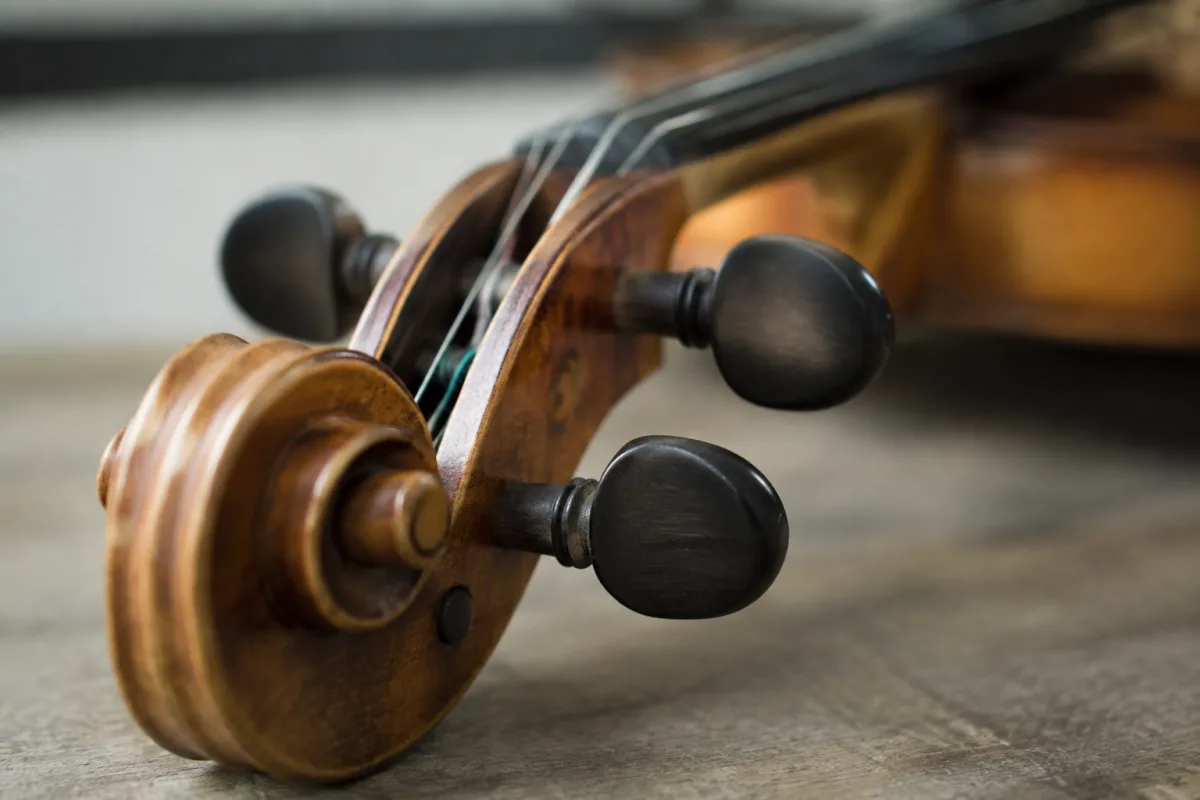
Tuning a fiddle properly is the foundation of good intonation, comfortable playing, and enjoying your instrument. Whether you're returning to a fiddle after months away or tackling a recently acquired instrument, knowing how to tune accurately makes the difference between frustration and confident practice sessions. This guide walks you through the process step by step, explaining what you need and the techniques that professional musicians use daily.
Essential Tools for Tuning
Before attempting to tune, gather the right tools. An electronic tuner designed for stringed instruments is essential—a basic model costs £10–20 and eliminates guesswork. A violin tuner with clip-on design or microphone input works well. Alternatively, a chromatic tuner from a music shop suffices perfectly. You'll also need access to a reference pitch: either from your tuner, a reference recording, or a piano if available.
Fine tuners (mechanical tuning devices at the tailpiece) help with precise adjustment after initial rough tuning. If your fiddle lacks fine tuners, pegs provide adequate control with practice. A pencil can help adjust peg friction if they turn too freely or too stiffly.
Understanding Fiddle Tuning
Fiddles traditionally use the same tuning as violins: G–D–A–E from lowest to highest string. This means the G string is the thickest, lowest-pitched string; the E string is the thinnest and highest. Some folk traditions employ alternate tunings (like open D or AEAE), but standard tuning is where to start. Most reference materials and sheet music assume standard tuning.
Step-by-Step Tuning Process
Follow these steps to tune your fiddle accurately:
-
Secure the fiddle. Position the fiddle firmly in playing position or rest it on your lap. You need stable access to all four tuning pegs without the instrument slipping. Place it on a soft cloth if necessary to prevent slipping.
-
Activate your tuner. Switch on your electronic tuner and set it to violin mode if that option exists. Hold the tuner's microphone close to the strings, or attach a clip-on tuner to the pegbox or bridge area. Ensure it's positioned where it clearly hears each string.
-
Tune the A string first. The A string (second-highest string) is conventionally the reference string. Play the A string open and watch your tuner display. Adjust the A string peg slowly until the tuner shows A (440 Hz or A4). Turn the peg gradually—large adjustments overshoot. Listen for the in-tune pitch as the needle or indicator centres.
-
Tune the D string. Once the A is perfectly in tune, move to the D string (second-lowest). Play it open and adjust its peg until the tuner shows D. The D should sit below the A in pitch. Again, turn the peg gradually for fine control.
-
Tune the E string. The E string (highest) is tuned next. Play it open and adjust until the tuner shows E. The E should be the highest pitch of all four strings. Fine-tuners at the tailpiece make E-string adjustment easier if your fiddle has them—they require less peg adjustment.
-
Tune the G string last. The G string (lowest) is final. Adjust its peg carefully until the tuner shows G. This string requires the largest peg adjustments and greatest finger strength, so patience is essential. Avoid over-tightening, which stresses the instrument.
-
Verify and adjust. Play each string and confirm the tuner shows the correct note. Often, slight adjustments are necessary after initial tuning because strings interact. Double-check all four strings, making fine adjustments as needed.
Fine-Tuning Techniques
After rough tuning with pegs, fine-tune using deliberate listening. Pluck adjacent strings—for example, the D and A strings together. If they're in tune, you'll hear a pleasant, stable sound. If out of tune, you'll hear a wobbling sound (called beating) as the frequencies interfere. Adjust the higher string's fine tuner until the wobble stops and you hear a pure, stable combination.
This technique, called tuning by ear, develops over time. Professional musicians tune entirely by ear, but beginners benefit from electronic confirmation combined with ear training.
Dealing with Stubborn Pegs
Tuning pegs that turn too freely or too stiffly frustrate many players. If pegs slip and won't hold tune, the problem is friction. A pencil lightly shaded across the peg channels adds graphite lubrication, improving grip. If they turn too stiffly, excessive friction is present. Applying a tiny amount of fine sandpaper to the peg sides reduces friction, but this requires care to avoid damaging them.
Professional luthiers can reshape peg channels or replace worn pegs entirely. For temporary solutions, ensuring pegs are turned correctly (perpendicular to the pegbox, not at odd angles) and applying even pressure helps. Many players get comfortable with their fiddle's particular peg quirks with practice.
Maintaining Stable Tuning
New strings and newly adjusted pegs take time to stabilise. Expect frequent retuning during the first week of play. As strings settle, they'll hold tune longer between adjustments. Some players retune before every practice session; others retune every few days if the fiddle sits unused. Temperature and humidity also affect tuning—a fiddle that's cold will be flat until warmed by playing.
Check tuning at the start of every practice session and between pieces if performing. Most professionals play a quick scale or check open strings regularly, adjusting as needed. This habit prevents intonation problems from developing during practice.
Common Tuning Mistakes
Beginners often turn pegs too quickly, overshooting the correct pitch. Turn them slowly, especially when approaching the target note. Another common error: not securing the fiddle properly, causing it to shift during peg adjustment. Use your tailpiece or fine tuners as reference points to ensure the instrument hasn't moved.
Tuning only once and assuming it remains stable throughout practice is another mistake. Strings change pitch as you play, especially at the start of a session. Recheck periodically. Finally, ignoring temperature changes: bringing a cold fiddle into a warm room affects tuning noticeably. Allow time for stabilisation.
The Bottom Line
Tuning your fiddle is a fundamental skill that improves with practice. Initially, it feels fiddly and time-consuming, but within weeks you'll develop speed and confidence. A well-tuned fiddle encourages practice and playing; an out-of-tune instrument discourages both. Invest a few minutes at each session to ensure proper tuning, and your fiddle will reward you with stable, beautiful sound.



Comments