


Eastman Violin article
Eastman Violin for Beginners: A Complete Guide
Learning violin is challenging but rewarding. An Eastman violin gives beginners a quality instrument that responds honestly to practice. This guide covers setup, lessons, practice routine, and everything to build genuine progress.
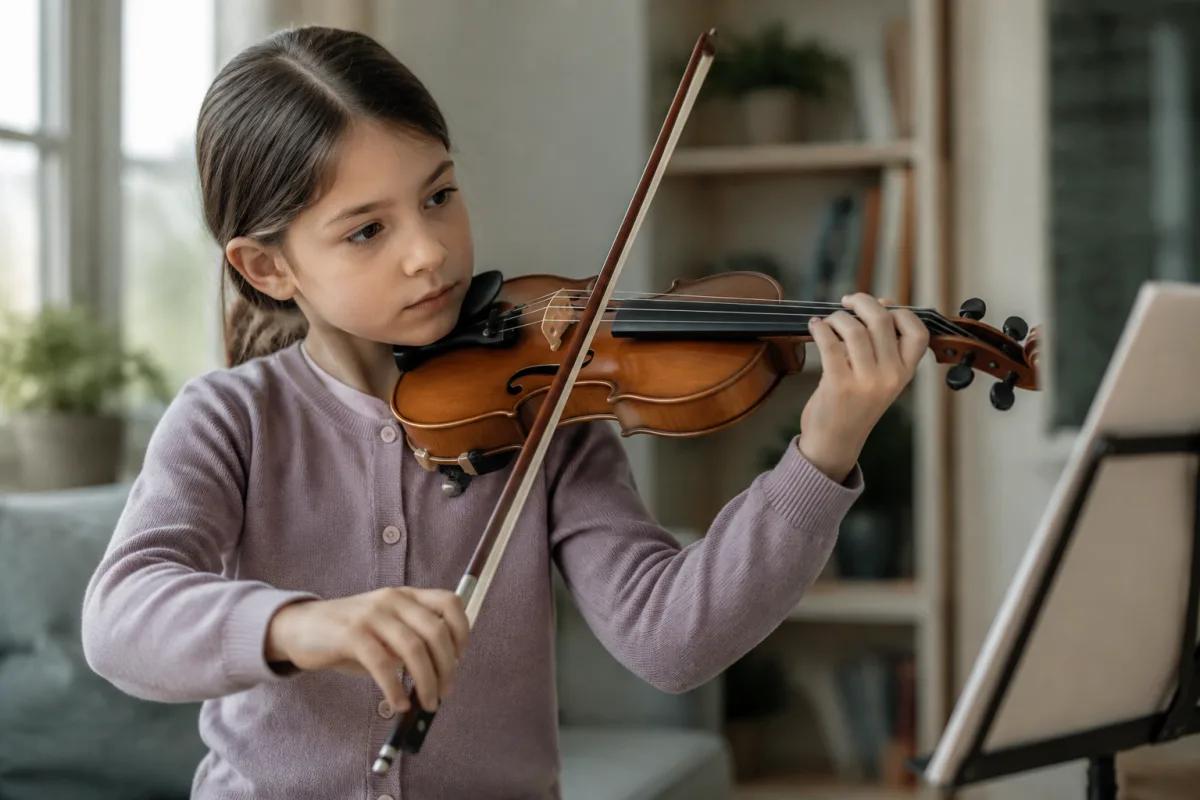
Why Eastman is an Excellent Beginner Choice
If you're just starting violin and wondering whether an Eastman violin is a good investment, the honest answer is yes. Eastman makes instruments specifically designed for students and beginning musicians. Their violins offer surprisingly good tone for the price, consistent quality control, and honest craftsmanship—qualities that make learning genuinely rewarding rather than frustrating.
Many beginners worry that buying an inexpensive violin means accepting poor sound that will discourage them. That's not how an Eastman violin works. You get an instrument that responds to your playing, stays in tune reasonably well, and sounds genuinely musical. This matters far more to your enthusiasm and progress than you might realise. A violin that sounds thin and unresponsive makes learning uphill; an Eastman violin makes practice something you actually look forward to.
Getting Your Eastman Violin Set Up Properly
Before you start playing, your new violin needs a proper setup. This isn't optional—even brand new instruments benefit from adjustment by an experienced luthier. Take your Eastman violin to a qualified repair person and have them check the bridge, strings, fingerboard, and tuning pegs. This initial setup costs £50–£100 but is absolutely worth it.
Proper setup means your Eastman violin will be easier to play, stay in tune better, and sound noticeably better than it will straight from the box. A bridge that's not quite right makes playing feel awkward and tire your hand. Tuning pegs that need adjustment will frustrate you daily. Spending a modest amount on setup removes these obstacles and lets you focus on actually playing rather than fighting your instrument.
Buy proper strings at the same time you get setup done. Cheap replacement strings make an Eastman violin sound thin. Quality beginner strings (brands like Evah Pirazzi Gold or Dominant) cost £30–£50 per set and improve the tone dramatically. This is not optional. Your violin deserves strings that let it sound good.
Learning the Basics: Your First Weeks
Starting violin is genuinely challenging. The bow takes time to control, your fingers need to learn the fingerboard, and producing a clean tone requires physical coordination your hands haven't developed yet. This is completely normal and not a sign that an Eastman violin is wrong or that you lack talent. Every violinist starts here.
Your first priority is simply holding the bow and violin correctly. This feels awkward at first—your shoulders will tense, your bow arm will shake, and you'll wonder why something so simple is so hard. That tension and awkwardness pass within weeks if you're consistent. Your body needs time to build the physical memory and muscle tone for proper playing position.
Don't rush to learn tunes. Beginners who try playing melodies before mastering basic bow control develop poor technique that takes months to unlearn. Your Eastman violin teaches best when you focus on fundamentals first: bow grip, bow control, clean tone production, and proper left hand position. These foundations make everything else possible.
Lessons Are Non-Negotiable
Learning violin without a teacher is possible but inefficient and often leads to bad habits. A qualified instructor catches incorrect posture, bow grip problems, and intonation issues before they become ingrained. An Eastman violin is an instrument that responds to proper technique—a teacher helps you develop that technique from day one.
Even just a few lessons teach you more than weeks of self-teaching. A teacher shows you where to position your fingers on the fingerboard for in-tune notes, how to hold the bow without tension, and how to produce a clean tone. Your Eastman violin will sound infinitely better under instruction than struggling alone.
Weekly lessons for the first few months are genuinely valuable. Once you've established fundamentals, you might take lessons every other week or monthly to continue progressing. The investment in instruction pays back quickly through faster progress and the satisfaction of playing music that actually sounds good.
Your Practice Routine
Consistency matters far more than duration. Thirty minutes daily builds skills faster than three hours once weekly. Your hands and ears need regular reinforcement to develop. An Eastman violin responds best to frequent, focused practice rather than occasional marathon sessions.
Keep practice sessions structured. Spend the first ten minutes doing basic bow exercises—just playing open strings to develop control and bow feel. Move to fundamental exercises your teacher recommends. If you're progressing well, finish with a tune you're learning. This structure lets you tackle challenges when you're fresh and mentally sharp.
Practice should feel challenging but not discouraging. If an Eastman violin is frustrating you consistently, you're either working on material that's too advanced or not giving yourself enough time on fundamentals. Back up, focus on what you can do well, and build from there. Patience is the secret to violin progress.
Common Beginner Mistakes to Avoid
Tense shoulders: Violin playing should feel relaxed, not strained. If your shoulders are hunched or tight, you'll exhaust quickly and develop poor tone. Stay aware of shoulder tension and consciously relax regularly. Your Eastman violin will sound better and playing will feel easier.
Ignoring intonation: Playing in tune matters from the beginning. Some beginners assume they'll develop ear training later—that's backwards. Learn to listen for accurate pitch now. A tuner helps; your teacher's ear is even better. An Eastman violin is forgiving of minor intonation issues, but accurate playing builds proper habits.
Skipping fundamentals: The urge to play recognisable tunes is powerful, but resisting that urge pays off enormously. Invest weeks in basic bow control and fingerboard familiarity before tackling melodies. You'll progress faster and enjoy playing more when fundamentals are solid.
Poor bow maintenance: Your bow needs care. Loosen the hair after playing so it doesn't lose tension. If you use rosin (you will), wipe excess dust off regularly. A neglected bow makes an Eastman violin sound scratchy and terrible. Basic care keeps your bow functional and your violin sounding good.
The First Three Months
Expect that learning violin is slow initially. Your hands need to build strength and memory. Your ear needs training to hear differences in pitch. Your bow arm needs coordination your body hasn't developed yet. This isn't discouraging—it's completely normal. By three months of consistent practice, you'll notice dramatic progress. By six months, you'll be genuinely capable of playing simple tunes. By a year, you'll be competent and able to explore beyond fundamentals.
An Eastman violin responds to this progression beautifully. As your technique improves, the violin opens up and sounds better. The quality of your playing directly affects the quality of sound you produce. This feedback loop is motivating—you hear immediate results from focused practice.
Building Your Violin Practice Space
Find a quiet, comfortable space to practice. Neighbours will hear violin practice, especially initially. If noise is a serious concern, speak openly about practice times. Most people tolerate thirty minutes of violin practice if they know when to expect it. Headphones won't help—you need to hear your own playing to learn.
Keep your Eastman violin in a proper case with a humidifier if you live in a dry climate. Wood responds to moisture; dry conditions can crack your violin. Basic care extends the life of your instrument and keeps it playing well.
Moving Beyond the Beginning Phase
After several months of consistent practice, you'll start feeling less like a complete beginner. Your Eastman violin will feel more familiar. Your hands will be stronger. Your ear will be better trained. At this point, you can start exploring different styles and repertoire beyond fundamental exercises.
Consider what kind of music appeals to you. Classical technique is foundational, but folk and popular styles are equally valid ways to develop as a violinist. Your Eastman violin can play virtually any style. Follow your interest—playing music you love sustains motivation and enthusiasm far better than playing only to practise technique.
For comprehensive information about violin construction and technique, explore our complete guide to Eastman violins for more technical details.
Conclusion
Starting violin with an Eastman violin is a sensible choice that sets you up for success. The instrument is built for learning, responsive to proper technique, and honest about your progress. Focus on fundamentals, find a good teacher, and practice consistently. The awkwardness and frustration of the first weeks pass quickly. Before long, you'll be making music on your Eastman violin with genuine confidence and enjoyment. The investment in learning pays back through a lifetime of musical satisfaction.


Comments