
String Instruments Double Bass article
The Complete Guide to String Instruments Double Bass
The double bass is the deepest-voiced member of the string instruments family, serving as the harmonic and rhythmic foundation of orchestras and jazz ensembles worldwide.
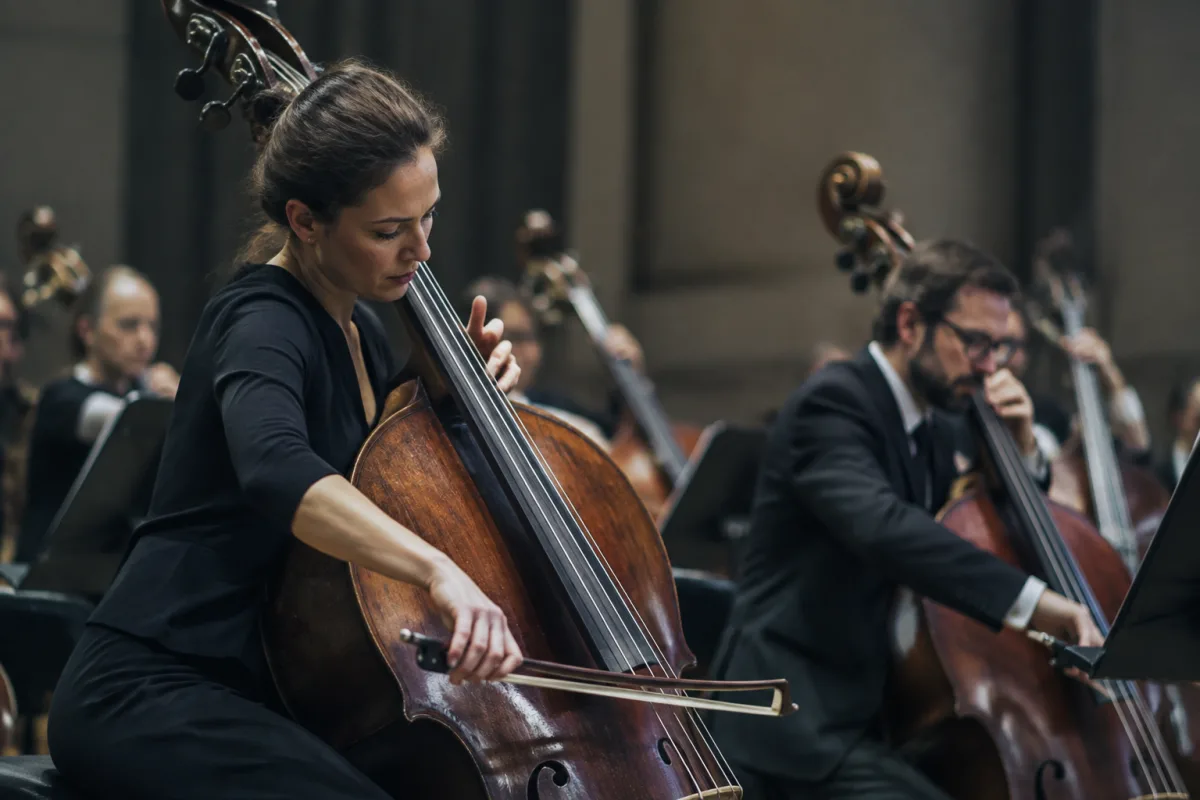
The double bass stands as the largest and deepest-voiced member of the string instruments family, serving as the foundation of orchestras, jazz ensembles, and chamber groups worldwide. This magnificent instrument delivers a resonant, woody tone that anchors harmonic structure with authority and presence. Whether you're curious about orchestral instruments, considering learning this instrument, or exploring the foundations of ensemble playing, understanding it opens pathways to genuine musical mastery.
Place in the String Family
String instruments produce sound through vibrating strings, with different instruments creating their distinctive tones through size, shape, and construction. The double bass is the largest orchestral string instrument — typically around 1.8 metres tall — and its size directly contributes to its profound, resonant voice.
This instrument features four strings tuned in fourths (E-A-D-G), though five- and six-string variants exist for expanded range. Players use a bow (like violins and cellos) or pluck the strings directly (pizzicato) to create sound. The double bass's role varies dramatically by genre: in classical music it provides harmonic support, in jazz it's a melodic and rhythmic leader, and in contemporary ensembles it fills whatever role the composer requires.
Construction and Tonal Qualities
This instrument is built from spruce or pine for the top plate, with maple for the back and sides. This construction echoes traditional violin-making techniques, reflecting its evolution from earlier string family members. The larger size produces a deeper, richer tone than smaller versions.
The distinctive "woody" character comes from its construction and from the physical properties of its strings and bridge. Premium instruments exhibit warm low frequencies, clear midrange articulation, and singing treble notes when played properly. This instrument's acoustic properties make it capable of incredible expressive range despite its size.
Comparison with Other Strings
| Instrument | Height | Strings | Typical Role |
|---|---|---|---|
| Violin | ~60 cm | 4 | Melody, solo lines |
| Viola | ~70 cm | 4 | Inner harmony, texture |
| Cello | ~120 cm | 4 | Melody, lower harmony |
| Double bass | ~180 cm | 4–6 | Bass foundation, rhythm |
Playing Technique
Learning requires developing several distinct skills. Bow technique demands control and precision — the bow must maintain consistent pressure and angle to produce clear, singing tones. Pizzicato playing (plucking) develops finger strength and rhythmic accuracy, essential for jazz and contemporary music.
This instrument's size presents physical challenges: players must develop strong left-hand technique to reach across the fingerboard, and proper posture is crucial for avoiding injury. However, these technical demands reward serious practice with profound musical satisfaction.
Different Musical Contexts
Classical and orchestral: The double bass provides the harmonic foundation, typically playing the lowest notes of the chord structure. Principal bass chairs in major orchestras are prestigious positions requiring virtuosity and musicianship.
Jazz: The upright bass is a melodic and rhythmic equal, driving the music's swing feel through walking bass lines and solos. Players like Ray Brown and Charles Mingus revolutionised how the instrument was perceived, proving it capable of incredible expressiveness and speed.
Contemporary and experimental: Modern composers write solos and prominent parts for this instrument, treating it as a serious solo vehicle. Folk, klezmer, and other traditions feature it in distinctive ways.
Purchasing and Learning
Quality double basses range from £3,000 for decent student instruments to £20,000+ for professional-grade orchestral versions. Beginning students should rent or purchase student models from reliable makers like Wilfer, Carlisle or German-made options. As your playing develops, upgrading to a professional instrument significantly enhances tonal possibilities and playability.
Learning requires finding a qualified teacher familiar with your intended musical style — jazz technique differs from classical approach. Most serious students train for years to develop adequate proficiency, though rewards emerge quickly for dedicated learners.
Maintenance and Care
This instrument requires thoughtful maintenance: regular cleaning of the fingerboard and strings, proper humidity control (sudden changes crack wooden instruments), and periodic professional setup by a skilled luthier. The investment in care protects your instrument's longevity and playability.
Conclusion
String instruments like the double bass represent the heartbeat of ensemble music. This magnificent instrument's warm resonance, expressive capabilities and central role in countless musical traditions make it worthy of serious consideration. Whether you're drawn by orchestral grandeur, jazz vitality, or simply the profound satisfaction of playing the largest and deepest string instrument, it rewards curiosity and commitment with genuine musical achievement.



Comments