


Double Bass Drum Kits Buying guide
Double Bass Drum Kits: A Complete Buyer's Guide
Choosing the right double bass drum kits requires understanding what distinguishes quality options from mediocre ones.
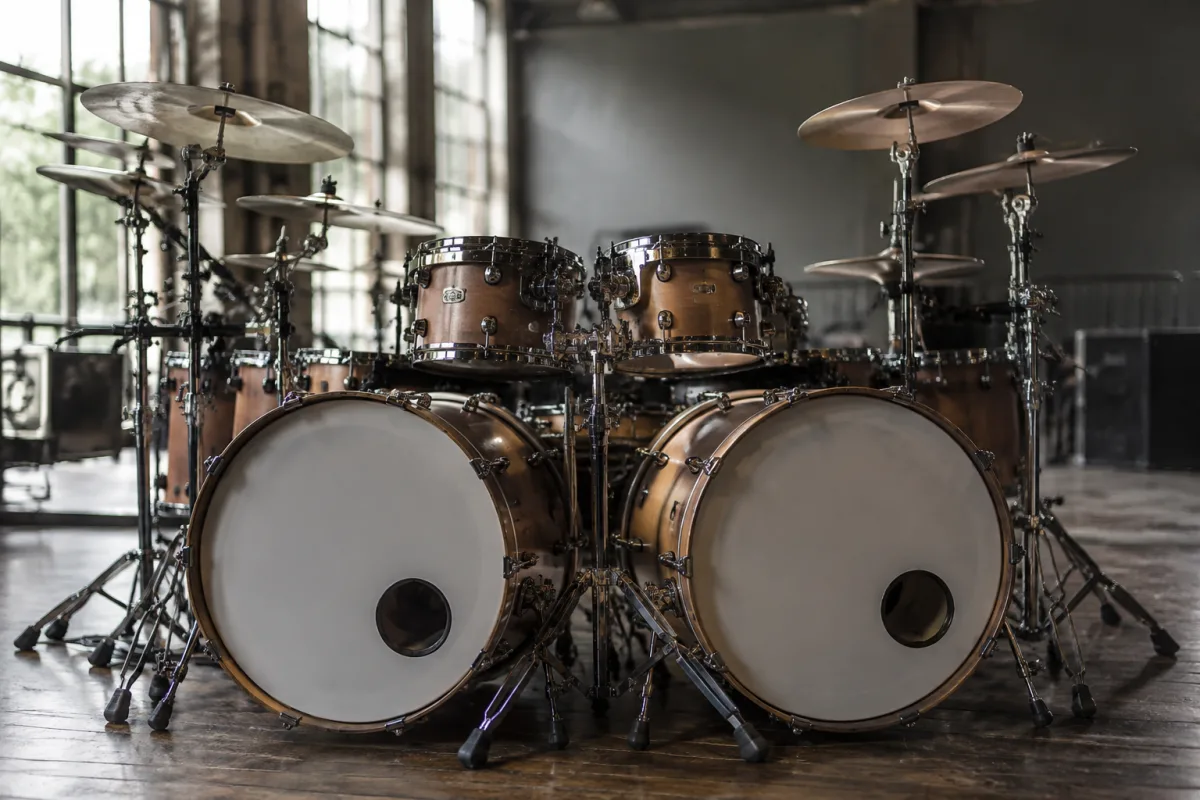
Choosing the right double bass drum kits requires understanding what distinguishes quality options from mediocre ones. Double bass drum kits offer percussionists the ability to play intricate, fast double-bass patterns, making them essential for rock, metal, jazz fusion, and advanced classical percussion. This buying guide walks you through the critical specifications and considerations that will help you select double bass drum kits that deliver both performance and durability.
Understanding Double Bass Drum Kit Specifications
When shopping for double bass drum kits, several key specifications directly impact playability and sound quality. The most obvious is the shell construction material—quality double bass drum kits use shells made from hardwoods like maple, birch, or oak. These materials resonate better than cheaper alternatives and hold their value longer. The shell thickness and ply count matter significantly; double bass drum kits with thicker shells produce deeper, warmer tones with better projection.
Bearing edge design is another critical specification in quality double bass drum kits. The angle and sharpness of the bearing edge affect how the drumhead seats and vibrates. Premium double bass drum kits feature precisely cut bearing edges that allow heads to sing. Cheaper options sometimes have rough or inconsistent bearing edges that choke the tone.
Head Quality and Tuning Hardware
The drumheads on your double bass drum kits dramatically affect overall sound. Invest in quality heads from reputable manufacturers—they make an extraordinary difference in tone consistency and durability. Cheap heads on expensive double bass drum kits defeat the purpose entirely.
Tuning hardware—the tension rods, lug casings, and bearing plates—must be robust. Quality double bass drum kits feature chrome-plated or nickel-plated hardware that resists corrosion and withstands years of tension adjustments. Look for smooth threads on tension rods and solid metal casings rather than plastic lugs, which can crack under tension.
Key Specifications to Compare
When evaluating different double bass drum kits, compare these measurable specifications:
- Shell diameter: Standard double bass drum kits use 22-inch or 24-inch bass drums. Smaller drums (18-20 inches) produce tighter, punchier tones. Larger options (26+ inches) deliver deeper, more resonant lows.
- Shell depth: Deeper shells (14-16 inches) produce warmer, longer sustain. Shallower shells (10-12 inches) offer tighter response and easier portability.
- Ply count: Higher ply counts (8-10 plies) increase volume and projection. Lower plies (3-6) produce warmer, more articulate tones suitable for jazz.
- Bearing edge angle: Sharp edges (45 degrees) suit rock and metal. Rounded edges (30 degrees) work better for jazz and orchestral applications.
- Hardware weight: Heavier hardware on double bass drum kits provides better resonance and durability, though it increases the overall weight.
Price Tiers for Double Bass Drum Kits
Double bass drum kits vary enormously in price. Understanding the value proposition at each tier helps you avoid overpaying whilst ensuring you get adequate quality:
- Budget tier (under £500): Entry-level double bass drum kits with basic shells and hardware. Adequate for learning, but hardware reliability issues are common. Heads and tuning require frequent replacement. Not recommended if you play regularly.
- Mid-range (£500-£1500): Solid construction with decent shells and dependable hardware. Quality double bass drum kits at this price point suit semi-professional players and dedicated amateurs. Hardware lasts years with proper maintenance.
- Premium (£1500-£3500): Professional-grade double bass drum kits with excellent shells, superior hardware, and exceptional tonal range. These instruments hold value and often outlast their players with proper care.
- Ultra-premium (£3500+): Handcrafted or boutique double bass drum kits with premium materials and meticulous attention to detail. For professional touring musicians and serious collectors.
Critical Factors in Double Bass Drum Kit Selection
Beyond specifications, several practical factors influence your purchase decision:
- Portability: If you transport your double bass drum kits regularly, weight and case dimensions matter significantly. Larger kits become cumbersome for venue work.
- Sound environment: Playing in small jazz clubs requires different double bass drum kits than arena rock. Smaller, warmer-sounding kits suit intimate venues; larger kits suit large spaces.
- Genre compatibility: Metal and rock players typically want tighter, punchy double bass drum kits. Jazz musicians prefer warmer responses. Classical percussionists often want mellower options. Choose accordingly.
- Resale value: Premium brands retain value better than obscure manufacturers. If you might upgrade later, buying recognised double bass drum kits from established makers is financially sensible.
- Availability of heads and repairs: Ensure replacement parts are readily available. Obscure double bass drum kits can become frustrating when you need maintenance supplies.
Common Buying Mistakes to Avoid
Many drummers make costly errors when purchasing double bass drum kits:
- Prioritising appearance over sound: Flashy finishes and chrome don't guarantee tone quality. Test double bass drum kits aurally before committing.
- Ignoring the head quality: A budget head on a £3000 kit wastes the instrument's potential. Budget appropriately for quality replacement heads.
- Overlooking shell consistency: Hand-examine each double bass drum kits shell for dents, cracks, or warping. Manufacturing defects affect tone and durability.
- Neglecting hardware inspection: Check that all lugs sit flush, tension rods thread smoothly, and bearing plates are unbent. Hardware problems are difficult and expensive to repair.
- Buying without testing: Always play or listen to double bass drum kits before purchasing. What sounds great in a warehouse might disappoint in your performance space.
Where to Buy Double Bass Drum Kits
Purchase options vary in reliability and value. Authorised retailers of major double bass drum kits brands offer warranty protection and support. Established online retailers often provide better pricing but verify return policies. Private sellers may offer deals on used double bass drum kits, but inspect thoroughly and verify authenticity of premium models, as counterfeits exist.
Long-Term Value Considerations
Quality double bass drum kits are long-term investments. Proper maintenance—regular tuning, head replacement, and hardware cleaning—preserves both sound and resale value. Many professional drummers upgrade hardware on their double bass drum kits over time rather than replacing the entire kit.
For comprehensive information about double bass drum kits specifications and how they compare across manufacturers, see our complete guide to double bass drum kits.
Making Your Purchase Decision
The ideal double bass drum kits for you depend on your genre, playing environment, portability needs, and budget. By understanding specifications, price tiers, and common pitfalls, you can make a confident purchase that meets your actual needs rather than aspirational ones. Invest in quality at a tier you can afford, and you'll have double bass drum kits that inspire and endure.


Comments