


Chin Rest Buying guide
Chin Rest: A Complete Buyer's Guide
A chin rest affects playing comfort, posture, and shoulder health more than most musicians realise. This buying guide helps you evaluate shapes, materials, mounting compatibility, and find a chin rest that truly fits your needs.
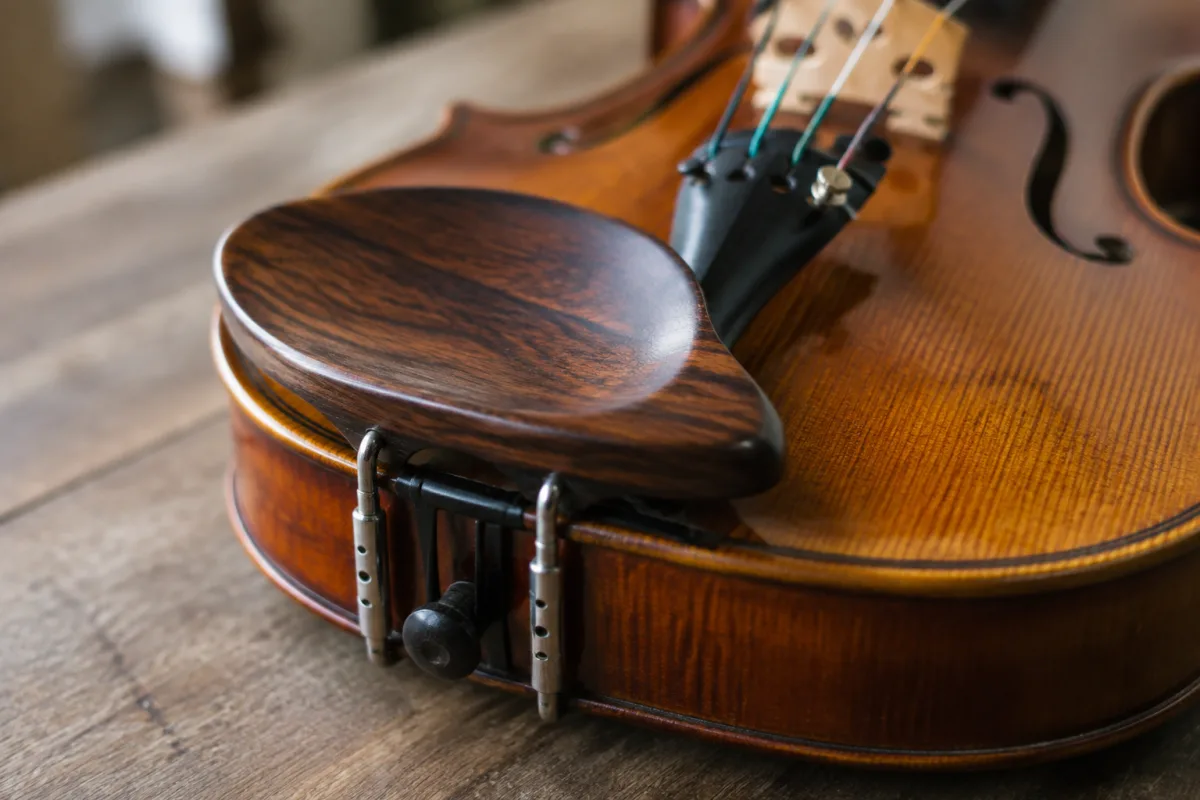
A chin rest might seem like a simple accessory—just a piece of material touching your chin—but it profoundly affects playing comfort, posture, and long-term violin health. Choosing the right chin rest means understanding materials, shapes, mounting styles, and how different options support various playing positions. This buying guide focuses on practical evaluation criteria so you select a chin rest that actually improves your playing rather than creating frustration.
Why Chin Rest Quality Matters
Your chin and jaw spend hours resting against a chin rest during playing. An uncomfortable or poorly-fitting chin rest creates neck tension, forces poor posture compensation, and limits how long you can comfortably play. Over time, mismatched chin rests contribute to shoulder tension and repetitive strain. Conversely, a properly-fitted chin rest that feels natural lets you focus on music rather than physical discomfort.
Chin rests also affect tone production. Some players claim that resonant chin rests (particularly wood) transmit vibration through the instrument differently than plastic alternatives. Whether this is dramatic or subtle, positioning and comfort definitely influence how freely your bow moves and how naturally your shoulder sits—both affecting tone quality.
Understanding Chin Rest Shapes
Chin rests come in various profiles designed for different jaw shapes and playing positions. The classic chinoise (French) design features an asymmetrical shape with a deeper recess on one side, popular among classical violinists who play with the instrument relatively centred. The German (tulip) shape is symmetrical and broader, favoured by some soloists. The shoulder rest-compatible designs sit lower and don't interfere with shoulder rests.
Each shape suits different faces and playing approaches. What's comfortable for one player feels awkward for another. Try different shapes if possible before committing; your jaw shape and how naturally your chin contacts the instrument determine which feels intuitive.
Material Considerations
Wooden chin rests (typically rosewood, boxwood, or other hardwoods) offer warmth, natural grip, and the resonance some players swear by. They're more expensive and require maintenance—occasional oiling keeps wood from drying and cracking. Serious players often invest in quality wood chin rests as permanent fixtures.
Plastic chin rests (polyamide or similar composites) offer affordability, durability, and low maintenance. They won't crack from humidity changes or require oiling. Plastic rests work excellently, though some players feel they sound marginally different than wood. Cost-conscious players or those frequently changing setups often prefer plastic reliability.
Some rests combine materials—wooden base with leather padding, for example. These offer wood's resonant qualities with extra comfort. Higher-end rests sometimes include hypoallergenic pads for sensitive skin.
Mounting Systems and Compatibility
Chin rests mount via post (a wooden or metal post secured into a small hole in the violin's ribs). Check that the post diameter matches your violin's hole—standard is 8mm, though some older violins use different sizes. An ill-fitting post damages the violin or leaves the chin rest insecure.
Most chin rests come with adjustable posts that accommodate height variation. Check the adjustment range—some offer only minimal height change, whilst others adjust significantly. If you're using a shoulder rest (which raises your violin position), you need a chin rest that sits lower to maintain comfortable playing position.
Check that the mounting system is secure. A chin rest that wobbles or shifts during playing is maddening. Test the tightness before purchasing if possible. Some systems use screws for adjustment (more secure but require tools); others use hand-tightened collars (quicker but must be checked regularly).
Comfort and Fit Evaluation
Visit a shop offering multiple chin rest options. Request time to try different shapes on your violin—30 minutes of playing reveals comfort better than specifications. Your chin should contact the rest naturally without forcing your jaw forward or to the side.
Evaluate edge comfort. Some chin rests have sharp edges that press uncomfortably; others feature curved edges distributing pressure evenly. After an hour of playing, you should have no soreness or red marks. If trying before purchase isn't possible, research customer reviews mentioning comfort specifically.
Consider skin sensitivity. If you have sensitive skin or allergies, verify the material isn't irritating. Leather padding or hypoallergenic pads matter for some players. Testing an unfamiliar chin rest on allergic skin without research is poor idea.
Playability and Response
Some players report that certain chin rests allow freer head movement and more responsive playing than others. Whether this is material resonance, psychological confidence, or pure positioning, the effect is real for many. If possible, borrow a friend's chin rest for comparison—notice any playability differences after a few hours of practise.
Consider how the chin rest responds to shifting and vibrato. Some shapes interfere with certain head movements; others facilitate natural motion. Your technical requirements (how much vibrato you use, whether you shift frequently) should influence which shape feels most compatible.
Price Range Reality
Quality wooden chin rests range from £40-£150 depending on wood quality and maker reputation. Plastic rests cost £20-£50. Specialty or custom-made chin rests from renowned makers can exceed £200. Mid-range options (£60-£100) offer excellent balance of quality and cost.
Don't assume highest price guarantees best fit for you. An expensive chin rest that doesn't suit your jaw shape provides zero benefit. Budget-conscious players often find plastic alternatives perfectly adequate. Invest in proper fit above all; price matters less than comfort and security.
Common Purchasing Mistakes
Don't buy a chin rest online without trying one (or a similar model) in person. Your jaw is unique; mail-order chin rests might be wrong despite excellent reviews from other players. If you must buy remotely, choose sellers with generous return policies.
Avoid assuming your current chin rest is the only option. Many violinists stick with whatever came with their instrument or what they learned on, never exploring whether alternatives might be more comfortable. Trying different options occasionally—even if your current rest is adequate—might reveal something significantly better.
Don't neglect mounting system compatibility. A beautiful chin rest that doesn't fit your violin's post hole diameter is useless. Verify compatibility before purchasing—check your violin's post hole size with a shop attendant if unsure.
Watch for low-quality wood rests that crack easily or plastic rests with sharp edges. Cheap isn't always false economy—some budget options work fine—but genuinely poor quality creates problems. Read reviews mentioning durability and edge finish quality.
Maintenance and Longevity
Wooden chin rests require minimal maintenance: occasional light oiling prevents drying and cracking. Keep them away from extreme humidity changes. With care, quality wooden rests last decades. Plastic rests need only occasional cleaning; they're essentially maintenance-free.
Leather pads might need replacement after years of use and sweat exposure. This is normal wear, not failure. Quality rests have replaceable pads available affordably.
Trying Before Committing
If possible, borrow a chin rest from a fellow violinist for a few weeks. Different shapes, materials, and mounting heights influence your playing more than specs suggest. Extended trial reveals comfort and compatibility that brief shop testing misses.
Many violin teachers have students try different chin rests during lessons. Ask your teacher for recommendations based on your playing position and jaw shape. Their expertise, combined with your comfort preferences, guides selection better than reviews or specifications alone.
Conclusion
Buying a chin rest is investing in playing comfort and long-term shoulder health. Understand the shapes available, match material choice to your maintenance preferences and budget, verify mounting compatibility, and prioritise comfort above all. Try different options in person if possible; your jaw shape determines which feels intuitive. A properly-fitted chin rest fades into background—you forget it's there and focus purely on music. For deeper context on chin rest options and specific recommendations, explore comprehensive guide to chin rests.


Comments