


4/4 Violin Buying guide
4/4 Violin: A Complete Buyer's Guide
A quality 4/4 violin becomes your lifetime instrument. This buying guide helps you evaluate wood quality, construction, tone, and playability so you invest wisely in a violin that inspires decades of musical joy.
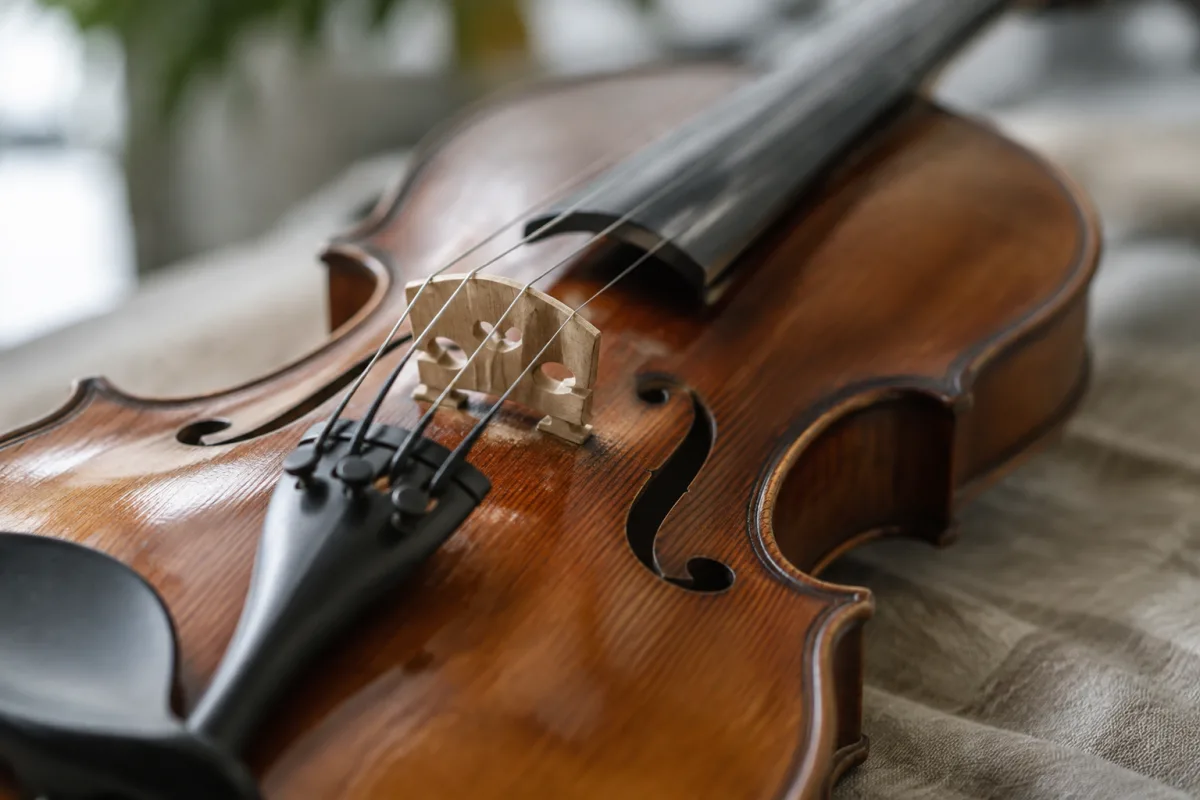
Buying a 4/4 violin (full-size, the standard adult violin) is a significant investment that deserves careful evaluation. A 4/4 violin determines your sound quality, playability, and long-term enjoyment of music-making. Understanding the factors that affect tone, construction quality, and value ensures you invest wisely rather than guessing based on price alone. This buying guide focuses on practical evaluation criteria so you know exactly what matters when selecting a quality 4/4 violin.
Why 4/4 Violin Quality Matters
A 4/4 violin is your instrument for life—if you choose well, you might play the same violin for decades. Sound quality, playability, and build integrity directly affect how much you enjoy practicing and performing. A poorly-chosen violin that frustrates you costs far more in lost motivation than spending extra on quality upfront. Conversely, a properly-selected 4/4 violin that feels natural to play and sounds beautiful inspires regular practice and genuine joy.
Build quality also affects resale value. Quality 4/4 violins hold value or appreciate; poor-quality instruments depreciate quickly. Whether you're playing forever or might eventually sell, choosing durably-built violins protects investment.
Price Ranges and What They Represent
Budget 4/4 violins (under £300) use laminated wood and machine production. They work functionally but offer limited tone quality and durability. Student-level instruments (£300-£1000) use solid wood construction with better handwork; tone improves noticeably. Intermediate violins (£1000-£3000) offer refined tone, superior playability, and handcrafted elements. Advanced and professional instruments exceed £3000, with some reaching five or six figures.
The price-to-quality curve isn't linear. Jumping from £300 to £500 delivers dramatic improvement in tone and playability. Jumping from £3000 to £5000 offers refinement that experienced ears appreciate but beginners might not notice. Match your level and budget realistically. A student-level violin (£400-£700) serves serious learners excellently; overspending on professional instruments when you're intermediate seems wasteful.
Evaluating Wood Quality and Construction
Quality 4/4 violins use solid spruce tops (the front of the instrument) and maple backs and sides. Laminated wood (thin veneer over plywood) appears in budget instruments; it's cheaper but doesn't vibrate or age like solid wood. Check specifications—solid wood should be explicitly stated.
Spruce quality varies dramatically. European spruce (particularly aged Alpine spruce) offers superior resonance compared to Chinese or other origins. Similarly, maple varies—highly-figured flame maple offers visual beauty and affects tone subtly. These subtleties compound; a violin using premium spruce and maple costs noticeably more than using standard wood, but experienced players hear the difference.
Check construction detail. Quality 4/4 violins feature hand-fitted seams (you shouldn't see gaps along the rib-to-plate joints), precise arching (the curved shape of the top and back), and careful edge finishing. These handwork indicators suggest overall quality. Poor construction (visible gaps, rough edges) indicates budget instrument shortcuts.
Bridge Quality and Setup
Many budget 4/4 violins come with inferior bridges. The bridge (a small wooden piece supporting strings) affects how vibration transmits to the instrument and directly impacts tone. Upgrading a budget violin's bridge often improves tone more than you'd expect—sometimes dramatically. Quality bridges cost £20-£50, but installation requires a luthier (£30-£50 fee).
Check whether a violin comes properly set up—bridge height, string height, tailpiece balance, and chinrest mounting all affect playability. Budget instruments often come under-adjusted. Proper setup by a luthier (£50-£150) dramatically improves playability but represents additional cost. Factor this into your budget when evaluating apparent value.
Sound Character and Tone Quality
Quality 4/4 violins offer immediate response—the note starts cleanly without mud. Tone has clarity and projection; you can hear variations in your bow pressure and vibrato easily. Budget instruments often feel sluggish and require aggressive playing to sound full.
The most reliable evaluation is playing multiple violins yourself. Visit a shop offering several options in your price range and play them for 15-20 minutes each. Notice which feels most responsive, which tone you find most beautiful, which playability feels most natural. Your gut reaction matters—if you love the feel and sound, that's a reliable indicator.
Listen to recordings of the specific instrument if available. Some luthiers and shops record demonstration videos. Hearing the actual 4/4 violin you're considering, played by a competent violinist, is invaluable. Compare tone to other violins in similar price ranges—you should hear notable difference compared to budget instruments.
Playability and Feel Evaluation
Play multiple 4/4 violins paying attention to how your bow responds. Does it feel balanced and responsive, or awkward and resistant? Is the string height comfortable, or do you have to press excessively hard? Do the strings feel easy to play in tune, or frustratingly narrow in spacing?
Test vibrato and shifting. These techniques feel different on different violins. Some violins encourage vibrato; others feel stiff. Some facilitate easy shifting; others feel clumsy. Your technical needs should influence which feels most compatible. If you enjoy vibrato extensively, choose a violin that responds well to it. If shifting is important to your playing, prioritise feel during shifting evaluation.
Bow Quality Matters
A quality 4/4 violin deserves a quality bow. Budget bows (£30-£100) produce mediocre tone and frustrate playability. Better bows (£150-£300) significantly improve response. The best value often comes from purchasing a mid-range violin with an excellent bow rather than a premium violin with a poor bow. The bow directly affects every note you produce; investing there improves your playing more than most realise.
Brand Reputation and Maker Consideration
Established violin makers and luthiers build reputations for quality. Brands like Suzuki, Stentor, and Eastman offer reliable student and intermediate instruments. Chinese manufacturers produce both excellent and mediocre violins—quality varies tremendously. European makers often command premium pricing but deliver heritage and proven consistency.
Research specific models. A Suzuki violin in your budget range likely offers better value than an unknown brand at similar price. Reputation doesn't guarantee you'll love the specific instrument (individual violins vary), but it indicates manufacturer commitment to quality.
Condition and Used vs. New
Used 4/4 violins can offer excellent value, especially if you find established brands from reputable makers. However, inspect carefully—look for cracks (any visible hairline suggests structural weakness), check that seams are tight, verify the neck isn't warped. Older violins sometimes develop superior tone with age, but repairs can be expensive.
New 4/4 violins come with warranty and known condition. They're reliable but might be overpriced relative to quality. Used instruments from known makers often deliver better tone and playability at lower cost, though you assume risk of hidden issues. Visit a reputable violin shop; they'll honestly evaluate used instruments and disclose problems.
Common Purchasing Mistakes
Don't buy based on appearance alone. A beautiful-looking violin with poor tone costs more money but frustrates you every time you play it. Tone and playability matter far more than visual aesthetics.
Avoid budget instruments assuming you can upgrade later. Upgrading from a £200 violin to a £1500 violin requires selling the original (often at loss), plus spending extra money. Buying quality upfront is more economical long-term.
Don't ignore bridge and setup quality. Many budget violins cost so little they include poor bridges and inconsistent setup. Adding £100-£200 for proper setup can transform a mediocre instrument into something genuinely playable.
Watch for inflated pricing on unknown brands. Some retailers mark up generic Chinese violins 300-400%. Established brands at similar prices typically offer better value.
Trying Before Committing
Many violin shops offer trial periods—rent an instrument for a month, with rental fees applied toward purchase if you buy. This low-risk approach lets you truly evaluate the violin in your home, with your teacher, in your actual playing context. Trial periods cost money but can reveal incompatibilities that brief shop testing misses.
Conclusion
Buying a quality 4/4 violin is investing in a lifetime instrument. Match your price budget to realistic quality expectations, play multiple violins and trust your gut reaction, evaluate wood quality and construction detail, and prioritise tone and playability over appearance. Factor in setup and bridge quality, consider bow investment, and respect brand reputation as a reliability indicator. A well-chosen 4/4 violin becomes a treasured tool for decades of musical joy. For deeper context on specific violin models and options, explore the ultimate guide to 4/4 violins.


Comments