


1/2 Violin Buying guide
1/2 Violin: A Complete Buyer's Guide
Buying a 1/2 violin requires understanding wood quality, action height, bridge condition, and playability. This guide covers essential checks, price tiers, and how to avoid costly mistakes.
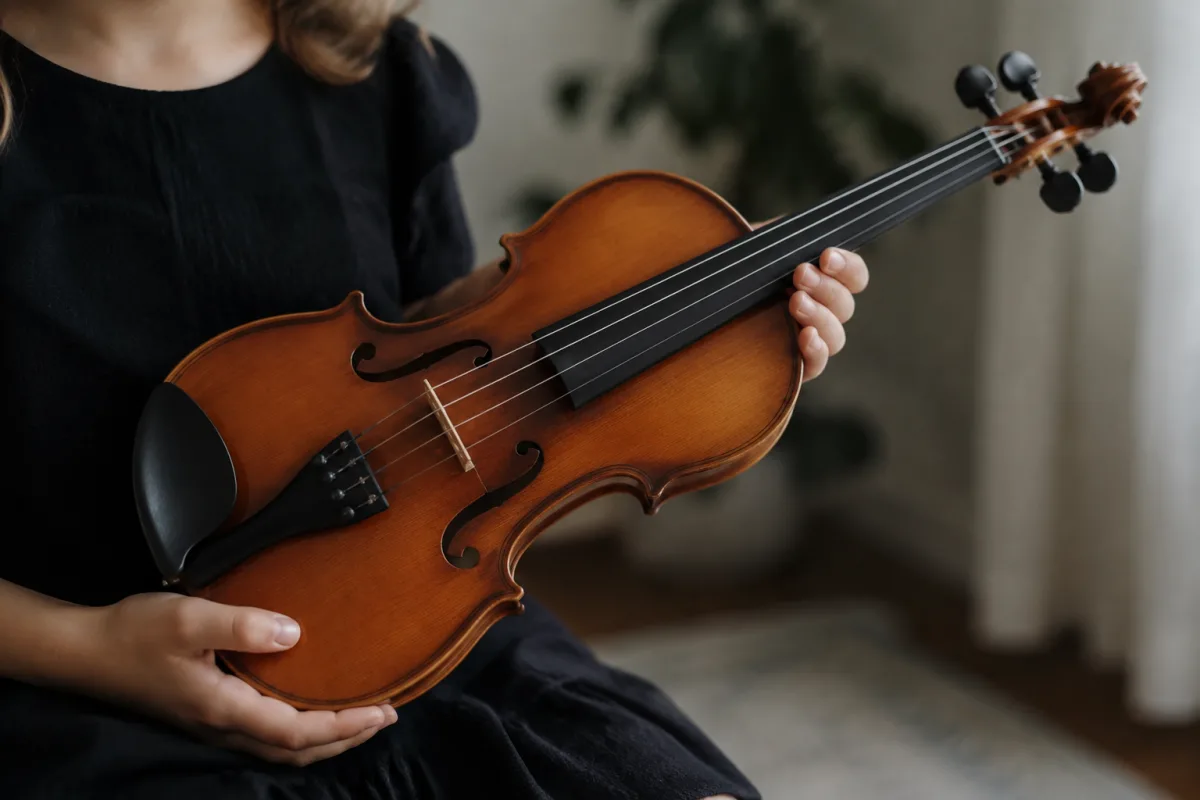
Buying a 1/2 size violin involves more than selecting the second-smallest option in the shop. Whether you're purchasing for a young student, someone with petite build, or an adult learner with smaller hands, understanding key specifications determines whether your purchase becomes a cherished instrument or an expensive frustration. This guide walks you through the essential checks, quality markers, and common pitfalls when buying a 1/2 violin.
Understanding 1/2 Size: Why It Matters in Your Purchase
A 1/2 size violin has a body length of approximately 580mm (23 inches), compared to 360mm for a 1/4 violin and 660mm for a full-size (4/4) instrument. The 1/2 size represents the sweet spot for young learners aged 8-12, adults with smaller frames, or anyone finding full-size violins awkward to hold. When buying, understand that "1/2 size" is standardised, so all quality manufacturers produce broadly similar dimensions. However, subtle variations in width and depth do exist, affecting comfort and tonal projection. Before committing to purchasing, measure the player's arm length from shoulder to fingertips; most experts recommend 1/2 size when this measurement falls between 45-55cm. If you're buying for someone else, have them hold the potential violin in playing position—comfort matters more than specifications on paper.
Wood Quality and Construction: Your Primary Price Driver
Price tiers for 1/2 violins reflect wood quality more than any other factor. Budget models (£40-100) feature laminated spruce tops with laminated or ply backs and ribs, offering durability for absolute beginners but limited tonal warmth. Mid-range instruments (£100-250) typically feature solid spruce tops with laminated backs, providing noticeably warmer tone and better response to developing technique. Premium models (£250-400) offer solid tops and solid backs, delivering superior projection and sustain. Professional violins (£400+) feature hand-selected tonewoods and master craftsmanship, justified only if the player is deeply committed. When evaluating wood quality, inspect the top under bright light; solid spruce displays clear grain patterns and subtle colour variation, whilst laminated versions appear uniform and plastic-like. Don't pay premium prices for a 1/2 size if the player is still deciding whether violin suits them.
Varnish and Finish: Assessing Quality Without Expertise
Quality varnish affects both tone and durability when you're buying a violin. Professional instruments use oil-based varnish applied in thin layers, creating subtle depth and sheen. Budget models often use thick, shiny polyurethane finishes that look impressive initially but inhibit vibration and can crack or chip from minor impacts. When examining a potential purchase, run your finger lightly across the top—quality varnish feels slightly textured rather than completely smooth. Look for evenness; if finish coverage varies dramatically from area to area, that suggests amateur application or hidden damage repairs. Small wear marks or scratches don't necessarily indicate poor quality, particularly in student instruments used for practice. However, large finish separations, deep gouges, or areas where bare wood shows through suggest the violin has endured damage or neglect.
Bridge and Strings: Often-Overlooked Factors
The bridge (the wooden piece holding strings above the fingerboard) dramatically affects playability and tone. Factory-installed bridges on budget violins are sometimes poorly shaped, resulting in high action or uneven string heights. When buying, check that the bridge stands straight and perpendicular to the body. If it leans or appears warped, professional correction (£20-40) will be necessary. Strings included with many budget violins are often extremely poor quality; upgrading to decent student strings (£15-30) transforms playability significantly. Consider this in your budget: a £150 violin with poor factory bridge and strings might need £50-70 in immediate improvements to reach acceptable playability. A slightly more expensive instrument with professional setup arrives ready to play.
Setup and Action Height: Critical Playability Factors
Action (the height of strings above the fingerboard) directly affects whether young players develop confidence or frustration. Too high, and fingers hurt pushing strings down; too low, and the bow catches on adjacent strings, creating scratching sounds. Professional setup ensures action is optimised—typically around 4mm at the D and A strings. When buying, ask the seller whether the violin has been professionally set up or if it's factory-default. Many budget violins ship with high action for durability during shipping; a qualified luthier can adjust this for £30-50, though this cost should factor into your purchase decision. Play-test the violin if possible, pushing each string down firmly at the upper frets to verify action feels manageable.
Chinrest and Shoulder Rest Comfort: Personal Fit Matters
The chinrest (where the chin rests during playing) comes in various shapes; some fit comfortably against larger faces, whilst others work better for smaller players. When buying for a young learner, verify the chinrest doesn't extend too far to the right, creating an awkward reach for the bow. Some players prefer chinrests that sit further from the tailpiece; others like them closer. This preference is genuinely individual. A shoulder rest (the apparatus supporting the violin's lower body) isn't included with many budget violins, but most players invest in one (£10-30). When buying, consider whether to purchase the violin with a rest included or budget separately for a quality aftermarket option.
Fine Tuners: Practical Consideration
Fine tuners (small screws that adjust string pitch precisely) are common on student violins but not essential. Budget violins without fine tuners require adjusting the tailpiece pegs, which is challenging for young players. When buying a 1/2 violin for a learner, choosing one with fine tuners (even just on the E and A strings) simplifies tuning dramatically. This feature typically costs £5-15 extra but rewards the investment through reduced frustration during practice.
Price Tiers and Budget Reality
Here's a realistic breakdown when buying a 1/2 violin: entry-level (£30-60) suits absolute beginners if the player's commitment is uncertain; starter (£60-120) offers reasonable quality for serious young students beginning lessons; intermediate (£120-250) suits dedicated learners or older beginners ready to invest; and semi-professional (£250+) makes sense only for committed players or those preparing for examinations. Beyond the violin itself, budget for: bow (£20-60), rosin (£5-10), chinrest comfort adjustment (£0-30 if replacement needed), shoulder rest (£10-30), and professional setup if not included (£30-50). A complete £100 violin purchase might total £180 when accounting for these essentials.
Appearance and Minor Blemishes: What Matters and What Doesn't
Don't assume cosmetic imperfections indicate poor quality. Violins develop character marks during use; a slightly scuffed top or minor finish wear doesn't affect playability if the underlying structure is sound. However, visible cracks in the body, seams separating from the top or back, or major structural issues are deal-breakers. Inspect carefully around the edges where the top and back meet the ribs; this joint is critical to structural integrity. Hairline cracks in the top can sometimes be tolerated if they're stable (not actively widening), but active cracks require professional evaluation and expensive repair.
Where to Buy: Balancing Price and Expertise
Specialist string shops allow hands-on evaluation and usually provide professional setup included in the price. They're typically more expensive (10-20% premium) but offer invaluable expertise and longer-term support. Online retailers offer better prices but sacrifice the ability to evaluate playability personally. Big-box music retailers stock basic models at competitive pricing but staff knowledge is often limited. Second-hand marketplaces (specialist string shops, Reverb, eBay, local classifieds) can yield significant savings (30-50% off new prices), but condition inspection is critical. When buying used, request multiple photos from different angles, a detailed condition description, and ideally a video demonstration of the violin being played. Return policies become especially important for second-hand purchases.
Testing Before Buying: Key Checkpoints
If possible, play the 1/2 violin before purchasing. Hold it comfortably in playing position and reach across the fingerboard. Bow several open strings to listen for clear, even tone across all four strings. Play up the fingerboard to verify no buzzing occurs from high action or uneven bridge. Check that the scroll and pegs are oriented symmetrically and that nothing appears warped. Spin the tuning pegs to ensure they turn smoothly. Inspect the chinrest for fit and comfort. Request a brief play-test from the seller or specialist; their demonstration reveals more about the violin's character than you might discover alone.
Avoiding Common Buying Mistakes
Don't assume the cheapest option is the best value for uncertain learners; frustration from poor playability often leads to quitting entirely. Don't overlook the importance of setup; an adequately-priced violin with professional setup outperforms a cheaper, poorly-set-up instrument every time. Don't forget that shoulder rests, fine rosin, and quality strings are nearly as important as the violin itself—budget accordingly. Don't assume full-size violins are always preferable; wrong sizing leads to technique problems and discomfort. And don't purchase unseen online if this is your first violin; the ability to hold and play the instrument before committing is genuinely valuable.
Buying a 1/2 violin successfully means prioritising comfort, reasonable quality, and professional setup over appearance or brand reputation. By checking wood quality, action height, bridge integrity, and overall playability, you'll invest wisely whether purchasing for a young learner or yourself. For deeper exploration of 1/2 violins and their role in string development, see our complete guide to 1/2 violins. Remember that the best violin is one that will actually be played regularly; prioritise comfort and playability above all other considerations.


Comments